Looking for Kidney-Friendly Breakfasts? Here Are 5 Nutritious Ideas...
Looking for Kidney-Friendly Breakfasts? Here Are 5 Nutritious Ideas...
⏱️ 1 min read 16/08/2026 13:19
Have you ever looked closely at your fingernails and noticed lines, ridges, grooves, or unusual marks that weren't there before?
It can be easy to ignore them. After all, nails are constantly growing and changing, and minor imperfections are extremely common.
But sometimes, changes in the nails can reflect something happening locally—such as repeated trauma, dryness, or nail-care habits. In other situations, they may be associated with nutritional deficiencies, infections, medications, or underlying health conditions.
The important thing to remember is that nail lines are not a diagnosis. A particular line doesn't automatically mean you have a vitamin deficiency or a serious disease.
What matters is the type of line, whether it affects one or several nails, whether it appeared suddenly, and whether you have other symptoms.
Let's take a closer look at the different types of nail lines and what they may mean.

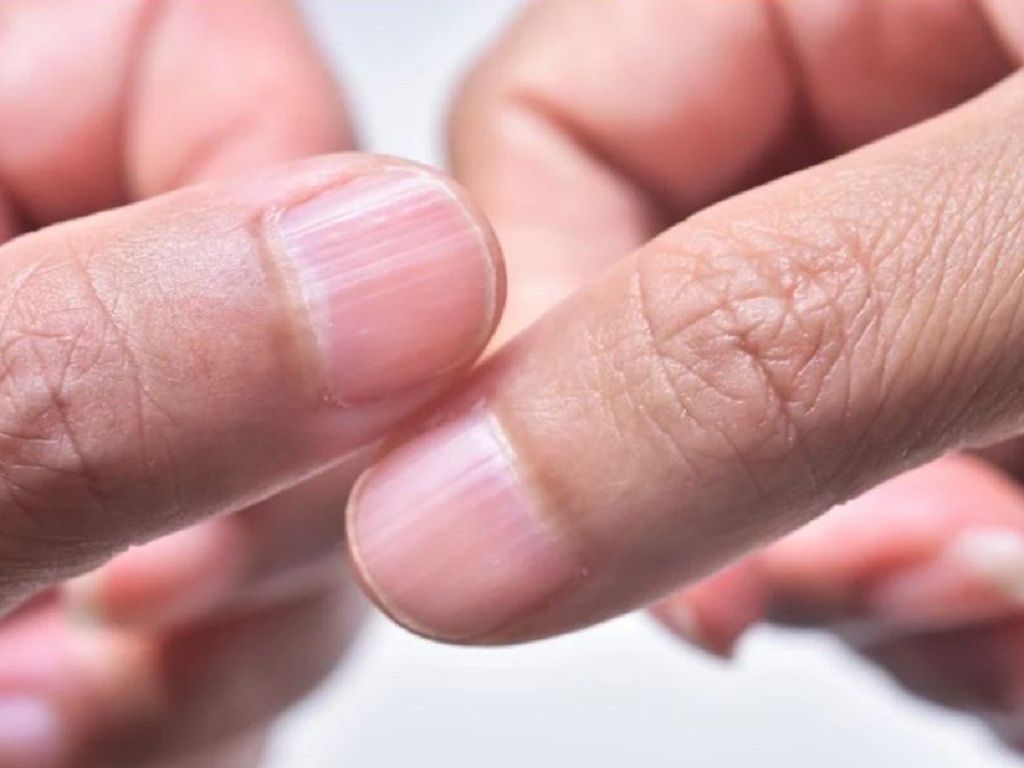
Vertical ridges are among the most common nail changes.
They run lengthwise, from the base of the nail toward the fingertip.
For many people, these ridges are completely harmless.
They may become more noticeable with:
Age
Dry skin
Frequent hand washing
Repeated exposure to soaps
Nail dehydration
Normal changes in nail growth
As people get older, nails can naturally become less smooth and develop more pronounced vertical ridges.
If the ridges appear gradually and your nails otherwise look healthy, there may be little reason for concern.
Horizontal grooves are different from ordinary vertical ridges.
They run across the nail from one side to the other.
One type of horizontal groove is known as a Beau's line.
These lines can appear when nail growth is temporarily interrupted or significantly slowed.
Possible causes include:
A significant illness
High fever
Severe physical stress
Injury to the nail
Major nutritional problems
Certain medications
Chemotherapy
Significant metabolic stress
The position of the line can sometimes provide clues about when the interruption occurred because nails grow gradually.
If the line is present on several nails, particularly if it appeared around the same time, it may be worth discussing with a healthcare professional.
A horizontal groove affecting only one nail may have a much simpler explanation.
For example, the nail may have experienced:
Trauma
Pressure
A manicure injury
Damage to the nail bed
Repeated picking
An impact
If you recently injured your finger, a groove may appear as the nail continues to grow.
This is one reason it's important not to look at a nail abnormality in isolation.
A single damaged nail is very different from multiple nails suddenly developing similar changes.
White marks on nails are extremely common.
Small white spots or lines can occur after minor trauma to the nail.
You may notice them after:
Bumping your nails
Picking at the cuticle
Manicures
Nail biting
Other minor injuries
These marks often grow outward as the nail grows.
Contrary to a common belief, white spots on the nails do not automatically mean you are deficient in calcium.
If white discoloration affects a large portion of several nails or is accompanied by other changes, however, it may deserve further evaluation.
A particularly noticeable horizontal groove can indicate that nail growth was interrupted for a period of time.
Think of the nail as a record of growth.
When growth temporarily slows, a visible indentation can remain as the nail continues growing.
Potential triggers can include significant physical stress or illness.
However, the groove itself doesn't tell you exactly what caused the interruption.
A healthcare professional may need to consider:
Your recent illnesses
Medications
Injuries
Nutrition
Other symptoms
Overall medical history
Dark lines deserve a little more attention.
A brown or black vertical band under the nail can have several possible causes.
It may result from:
Trauma
A mole or other benign pigmentation
Medication
Natural pigmentation
A fungal infection
Other conditions affecting the nail
In some cases, however, a new dark streak under a nail can be associated with subungual melanoma, a rare form of skin cancer that develops in or around the nail unit.
This doesn't mean every dark nail line is melanoma.
Most aren't.
But a new, unexplained, persistent dark streak, especially one affecting only one nail, should be evaluated by a healthcare professional.
A dark line becomes particularly worth checking if it:
Becomes wider
Changes color
Has irregular borders
Becomes darker
Extends onto the surrounding skin
Develops without an obvious injury
Continues to change as the nail grows
One important feature is whether the pigmentation appears to extend from the nail onto the skin around the cuticle.
This is sometimes referred to as a pigmentation pattern involving the surrounding skin.
Again, these features do not prove cancer.
They simply indicate that professional assessment is appropriate.
Sometimes nail lines appear together with nails that are:
Thin
Brittle
Splitting
Peeling
Breaking easily
This can happen for very ordinary reasons.
Frequent exposure to:
Water
Cleaning products
Nail polish remover
Acetone
Chemicals
can weaken nails.
Repeated manicures or artificial nails may also contribute to nail damage.
However, widespread nail changes can sometimes occur alongside nutritional deficiencies or systemic health conditions.
If your nails have become dramatically different without an obvious explanation, consider discussing the change with a healthcare professional.
People often assume that unusual nail lines automatically mean they are lacking a particular vitamin or mineral.
That's not always true.
Nails can be affected by nutritional deficiencies, but nail appearance alone generally cannot tell you exactly which nutrient you're missing.
Potential nutritional problems associated with nail changes can include inadequate intake or absorption of:
Iron
Protein
Zinc
Certain vitamins
For example, iron deficiency can sometimes be associated with changes in nail shape and strength.
But taking supplements without knowing whether you're deficient isn't necessarily a good idea.
Too much of certain vitamins and minerals can also cause health problems.
If you suspect a nutritional deficiency, a healthcare professional can determine whether testing is appropriate.
Instead of simply having lines, some people develop nails that become unusually thin and curve upward at the edges.
This appearance is known as koilonychia, sometimes described as spoon-shaped nails.
Possible causes include:
Iron deficiency
Repeated trauma
Certain medical conditions
Normal variation, particularly in young children
If several nails gradually develop a spoon-like appearance, it's worth discussing with a healthcare professional.
Fungal infections can also change the appearance of nails.
You may notice:
Thickened nails
Yellow or white discoloration
Brittle texture
Crumbling edges
Separation of the nail from the nail bed
Irregular nail growth
The changes may begin in one nail and gradually spread to others.
Fungal nail infections are generally not an emergency, but they can be persistent and may require appropriate treatment.
Don't assume every yellow or thick nail is caused by fungus, however.
Other conditions can produce similar appearances.
Your nails can record previous trauma.
If you hit your finger, crush the nail, or repeatedly put pressure on it, the nail may develop:
A groove
A dark spot
A white mark
Irregular growth
Temporary discoloration
Sometimes the injury happened weeks earlier, so you may not immediately connect the current nail change with the original event.
Because fingernails grow slowly, the evidence of an injury can remain visible for quite some time.

As we age, nails naturally change.
They may become:
More ridged
Drier
Thinner
More brittle
Slower-growing
Vertical ridges are especially common.
This doesn't necessarily indicate disease.
If the changes develop gradually and affect several nails in a similar way, they may simply reflect normal aging.
However, a sudden dramatic change should not automatically be blamed on age.
Your nails grow slowly, so they can sometimes preserve evidence of a major physical event.
A serious illness, high fever, or significant physiological stress can temporarily interfere with nail growth.
The resulting groove may become visible later, even after you've recovered.
This can make people wonder:
"Why did this line suddenly appear when I feel fine now?"
The answer may be that the event responsible happened weeks earlier.
The nail is essentially showing you a record of a previous interruption in growth.
People sometimes claim that nail ridges are direct evidence of chronic stress.
The reality is more complicated.
Severe physical stress can affect nail growth, particularly when it is associated with significant illness, fever, nutritional problems, or other physiological changes.
But an ordinary stressful week at work doesn't necessarily create a visible line across your nails.
If you notice a groove, it's better to consider the full picture rather than blaming it automatically on stress.
Dryness can make nails appear rougher and make existing ridges more noticeable.
Frequent exposure to water and detergents can also weaken the nail structure.
However, nail ridges shouldn't automatically be interpreted as proof that you're dehydrated.
Drinking more water may support general health, but it won't necessarily eliminate naturally occurring vertical ridges.
Instead, protect your nails from excessive exposure to harsh chemicals and moisturize the hands and cuticles regularly.
Don't focus only on the nail itself.
The skin around the nail can also provide useful clues.
Pay attention to:
Persistent redness
Swelling
Pain
Cracking
Bleeding
Pus
Significant inflammation
These symptoms can occur with infections or irritation.
Repeatedly cutting or damaging the cuticle can increase the risk of infection.
Gentle nail care is usually preferable to aggressive trimming or picking.
A change affecting one nail often has a local explanation.
But when multiple nails suddenly develop similar abnormalities, it may be worth taking a closer look.
Potential causes can include:
Systemic illness
Nutritional problems
Medication effects
Significant physical stress
Certain inflammatory conditions
This doesn't mean multiple affected nails automatically indicate a serious disease.
It simply gives healthcare professionals more information when evaluating the pattern.
It's tempting to search online for an image that looks like your nail and immediately decide what condition you have.
That's risky.
Many nail conditions look remarkably similar.
For example, discoloration could result from:
Trauma
Infection
Pigmentation
Medication
A benign condition
A more serious disorder
A photograph also can't provide information about your medical history, medications, recent illnesses, or physical examination findings.
Use nail changes as a reason to pay attention—not as a self-diagnosis tool.
Consider getting a nail change evaluated if it is:
New and unexplained
Persistent
Progressively changing
Affecting several nails
Associated with pain
Associated with swelling
Associated with bleeding
Associated with significant discoloration
Causing the nail to separate from the nail bed
Accompanied by other unexplained symptoms
A new dark streak under one nail deserves particular attention, especially if it is widening or changing.
Sometimes the nail isn't the only thing that has changed.
If nail abnormalities occur alongside symptoms such as:
Persistent fatigue
Unexplained weight loss
Shortness of breath
Recurrent fever
Significant weakness
Skin changes
Joint swelling
Persistent digestive problems
it may be useful to discuss the combination with a healthcare professional.
The nail change may be completely unrelated—but looking at the entire picture is more useful than focusing on one symptom.
You don't need an elaborate nail-care routine.
A few simple habits can help.
This can reduce the risk of certain infections.
Don't repeatedly cut or push back the cuticles.
Gloves can reduce prolonged exposure to water and cleaning chemicals.
Apply moisturizer to your hands, nails, and surrounding skin.
Frequent use of harsh removers and aggressive treatments can weaken nails.
These habits can damage the nail and surrounding skin.
Adequate protein, vitamins, minerals, and calories support normal nail growth.
Biotin supplements are frequently marketed for stronger nails and healthier hair.
But supplementation isn't necessary for everyone.
If you don't have a biotin deficiency, taking large amounts doesn't necessarily produce dramatic improvements.
In addition, supplements can interfere with certain laboratory tests.
Rather than automatically taking a supplement because you notice ridges, focus first on your overall diet and discuss persistent nail changes with a healthcare professional.
Nails are largely composed of a protein called keratin.
Adequate protein intake is therefore important for normal nail growth.
Good dietary protein sources include:
Eggs
Chicken
Lean meat
Fish
Beans
Lentils
Tofu
Yogurt
Nuts and seeds
If your diet is extremely restrictive or you're consistently consuming too little protein, your nails may become weaker.
If you're concerned about a new line or discoloration, take a clear photograph of the nail.
Then monitor it over several weeks.
Look for:
Changes in width
Changes in color
Movement toward the fingertip as the nail grows
Changes in surrounding skin
New symptoms
Don't repeatedly manipulate the nail to check it.
If the abnormality continues to change or doesn't grow out as expected, show the photographs and the nail itself to a healthcare professional.
As a simple rule of thumb:
Often common and harmless, especially as people get older.
May indicate that nail growth was temporarily interrupted by illness, injury, medication, or another significant event.
Can have many causes but deserve attention when new, unexplained, persistent, or changing.
Often related to minor trauma and usually aren't simply a sign of calcium deficiency.
The appearance alone isn't enough to make a diagnosis.
Not true.
Many ridges are simply related to normal nail growth or aging.
Usually not.
Small white spots commonly result from minor trauma.
Definitely not.
There are many possible causes of nail pigmentation.
However, a new or changing dark streak should be evaluated rather than automatically dismissed.
Nails can sometimes provide clues, but they cannot diagnose a condition by themselves.
Medical history, physical examination, and appropriate testing are often necessary.
Not necessarily.
If the cause isn't a nutritional deficiency, taking supplements may not solve the problem.
Your nails can change for countless reasons.
Sometimes the explanation is completely ordinary:
aging, minor trauma, dryness, or nail-care habits.
Other times, nail changes can accompany:
nutritional deficiencies, infections, medication effects, or systemic health conditions.
The trick is knowing when a change is probably harmless and when it deserves a closer look.
Don't panic over a few vertical ridges.
Don't assume every white spot means you're deficient in calcium.
But don't ignore a new, unexplained dark streak that continues to change.
If you've noticed lines on your nails, don't immediately assume they're a warning sign of serious illness.
The most common vertical ridges are often harmless, especially as we get older.
Horizontal grooves may sometimes reflect a temporary interruption in nail growth caused by illness, injury, medication, or significant physical stress.
White marks are often related to minor trauma.
Dark or changing streaks deserve more careful attention because, although many have harmless explanations, some can be associated with conditions that require medical evaluation.
The most important things to consider are:
What does the line look like?
Is it new?
Is it changing?
Does it affect one nail or several?
Was there a recent injury or illness?
Are there other symptoms?
Your nails can sometimes provide useful clues about what's happening in your body—but they're not a crystal ball.
So the next time you notice a strange line on your nail, don't panic and don't immediately reach for supplements.
Pay attention, watch for changes, take care of your nails, and get persistent or unusual abnormalities checked by a healthcare professional.
Looking for Kidney-Friendly Breakfasts? Here Are 5 Nutritious Ideas...
Doctors recommend these 4 breakfast foods for a healthier gut—are you eating them?
Garlic Can Be Good for Your Health But These Mistakes May Do More Harm Than Good...
Your Nighttime Routine Might Be Putting Your Health at Risk
Love Red Dates? Here’s the One Thing You Should Know Before Eating Them Regularly
Sun Exposure and White Skin Spots: What You Should Know
If Your Urine Keeps Looking Foamy, Here’s What You Need to Know… Check 1st Comment
Is Your Body Trying to Tell You Something?
Kidney Disease Often Starts Quietly—Watch for These Signs
The Early Symptoms of Cervical Cancer Many Women Overlook
The Early Symptoms of Cervical Cancer Many Women Overlook
This common backyard plant may offer unexpected health benefits.
Sleep Better, Feel Lighter: The Evening Ritual Trending Online
Millions of people have these nail ridges—but very few know what they actually mean.
Many people overlook these early symptoms until it's too late. Would you recognize them?
Many cancers are silent in the beginning.
Avocados May Be Healthier Than You Think—but There’s Something You Should Know…
Sudden Bruises With No Clear Cause? Don’t Panic—But Don’t Ignore These Signs Either… See More
Looking for Kidney-Friendly Breakfasts? Here Are 5 Nutritious Ideas...
Doctors recommend these 4 breakfast foods for a healthier gut—are you eating them?
Garlic Can Be Good for Your Health But These Mistakes May Do More Harm Than Good...
Your Nighttime Routine Might Be Putting Your Health at Risk
Love Red Dates? Here’s the One Thing You Should Know Before Eating Them Regularly
After seventeen years of believing his father had abandoned him, mechanic Noah Mercer receives an old photograph that reveals a heartbreaking truth about his father’s final search.
Sun Exposure and White Skin Spots: What You Should Know
A mysterious midnight phone call leads mechanic Adrian Cross to a broken motorcycle, pulling him into a dangerous web of stolen identities, bike theft ring, and a missing person case.
If Your Urine Keeps Looking Foamy, Here’s What You Need to Know… Check 1st Comment
Is Your Body Trying to Tell You Something?