The online account associated with the headline says that doctors noticed improvements in some of the man's health measurements after five months. Yet the material available does not specify the exact values, the tests performed, the original diagnosis or the degree of improvement. It would be inaccurate to invent a creatinine result, claim that his eGFR returned to normal or state that his kidneys were completely healed.
That limitation does not make the story meaningless. It simply changes what can responsibly be concluded from it.
An improvement in a laboratory result can be encouraging, especially for someone who has been worried about kidney health. But doctors generally look for a pattern across several measurements and appointments. A single result may be affected by temporary illness, hydration, medication changes or other factors. Repeated testing helps determine whether a change is meaningful and sustained.
The same principle applies to symptoms. Feeling better is valuable, but it does not always mean that kidney function has fully recovered. Conversely, someone may have an abnormal test result while feeling relatively well. Medical decisions therefore depend on both the patient's experience and objective clinical information.
In a real clinical assessment, doctors would also want to know what else changed during the five months. Did the patient follow a treatment plan? Did he reduce salt? Did he change his intake of processed foods? Was his blood pressure better controlled? Did he receive advice about protein, potassium or fluid intake? Were any medicines adjusted?
Each of these details could influence the interpretation of the results.
The headline focuses on garlic because it is the most memorable part of the routine. But a medical team cannot reasonably assign the outcome to one ingredient without examining the full picture. The man's daily diet and medical care may have worked together, and the available account does not separate their individual effects.
This is the difference between a personal health story and a controlled scientific study. A personal story can encourage people to ask useful questions. It can illustrate how someone approached a health concern. But it cannot establish that the same routine will produce the same result in other people.
The most important message from the medical findings is therefore not that garlic is a secret kidney treatment. It is that changes in kidney health should be evaluated through appropriate tests and interpreted by qualified professionals. The reported improvement may be encouraging, but the cause remains uncertain.
And that leads to the next question: why has garlic attracted so much scientific interest in the first place?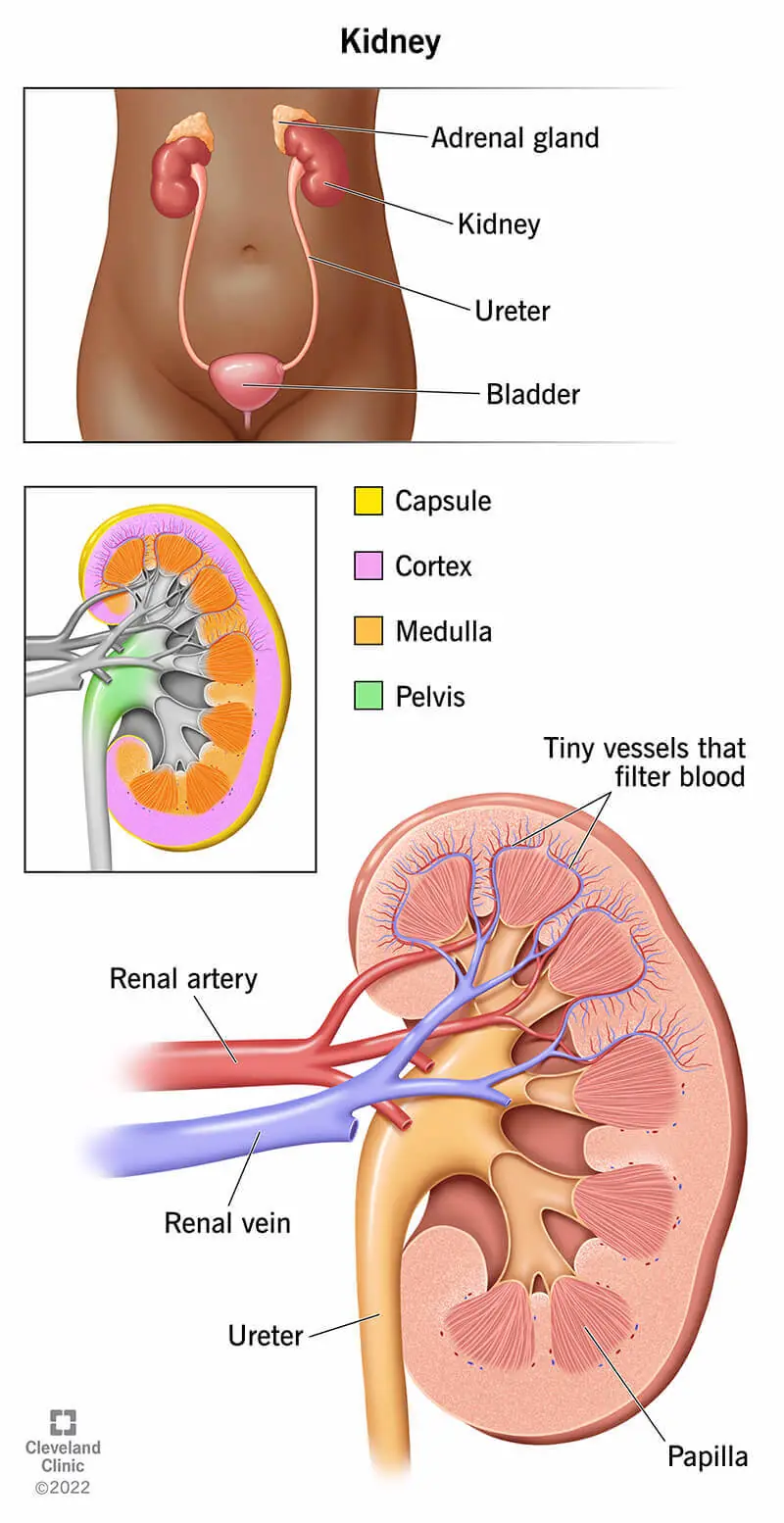
Chapter 3: Why Garlic Has Such a Powerful Health Reputation
Garlic has been used in food and traditional medicine for centuries. Its strong aroma, distinctive taste and long history have helped it become one of the best-known ingredients associated with natural health. In many cultures, people have used it in everyday cooking while also believing that it can help the body resist illness.
Modern research has given scientists additional reasons to study it. Garlic contains sulfur-containing compounds, including substances that form or change when a clove is crushed, chopped or cut. One compound often discussed in research is allicin, which contributes to garlic's characteristic smell and has been investigated for its biological activity.
However, the chemistry of garlic is more complicated than many online health posts suggest. The compounds present in a clove can change depending on how the garlic is prepared, stored and cooked. Fresh raw garlic, cooked garlic, garlic powder, aged garlic extract and concentrated supplements are not interchangeable products. They may contain different amounts and combinations of active substances.
This matters because a research finding involving a standardized supplement cannot automatically be applied to someone eating several cloves of fresh garlic. The dose, preparation and chemical composition may be different. The body may also respond differently depending on the person's health, medication and other dietary habits.
One of the areas in which garlic has attracted research attention is cardiovascular health. Some studies suggest that certain garlic preparations may produce modest reductions in blood pressure, particularly among people who already have high blood pressure. Other research has examined possible effects on cholesterol and blood sugar.
These findings are interesting because cardiovascular health and kidney health are closely connected. The kidneys contain a dense network of tiny blood vessels that help filter the blood. Long-term high blood pressure can damage these vessels, making it harder for the kidneys to perform their normal functions. Diabetes can also damage the small blood vessels and filtering structures over time.
As a result, managing blood pressure and blood sugar is an important part of protecting kidney health. If a particular dietary pattern helps someone manage these risk factors, it may contribute to their overall health.
But there is a crucial difference between supporting a healthy routine and treating an existing kidney disease.
A food that may modestly influence blood pressure is not automatically a medicine for kidney inflammation. A compound that shows activity in laboratory experiments does not necessarily produce the same effect in the human body. And a supplement that changes one health marker does not necessarily prevent long-term kidney damage.
This is where exaggerated claims often begin. A study may investigate a specific garlic extract and observe a small change in one measurement. A social media post may then turn that result into a statement that garlic cleans the kidneys, removes toxins or reverses kidney disease. Those conclusions go much further than the research can support.
Garlic should therefore be understood as a food with potentially useful properties, not as a universal remedy. Its place in a balanced diet is easier to defend than claims that it can replace medical treatment.
For the young man in the five-month story, garlic may have been one part of a broader lifestyle change. If he also reduced heavily processed foods, improved the quality of his meals and followed medical advice, those changes could have contributed to a better overall health picture. Yet without detailed records, it is impossible to know which factors mattered most.
The scientific interest in garlic is real. The promise of a guaranteed kidney cure is not.
Chapter 4: The Kidneys Do Far More Than Filter Waste
To understand why doctors take kidney problems seriously, it helps to look at what these organs actually do. Many people think of the kidneys as simple filters that remove unwanted substances from the body. Filtration is essential, but it is only one part of their work.
Most people have two kidneys, located toward the back of the abdomen, on either side of the spine. Each kidney contains a large number of tiny filtering units called nephrons. These structures work continuously, processing blood and helping the body maintain a stable internal environment.
As blood passes through the kidneys, waste products and excess substances are filtered into fluid that eventually becomes urine. The body then reabsorbs the water and useful substances it needs. The remaining waste and excess fluid leave the body through the urinary system.
This process helps regulate the amount of water in the body. If the kidneys cannot remove enough fluid, swelling and other complications may develop. If fluid balance is disrupted in the opposite direction, dehydration can also affect kidney function.
The kidneys also help control the levels of important minerals and electrolytes, including sodium and potassium. These substances are involved in nerve signaling, muscle activity and the normal function of the heart. When kidney function is significantly reduced, electrolyte levels can become abnormal and require medical attention.