He Ignored a Tiny Mole for More Than 20 Years—Until It Nearly Cost Him His Life
For more than two decades, a 69-year-old man in China lived with a small mole beneath his eye without giving it much thought. It caused no pain, no discomfort, and showed no obvious signs of danger. Like many people, he assumed it was simply a harmless part of aging and never imagined it could one day threaten his life.
However, what appeared to be an ordinary mole slowly began to change. What started as a subtle alteration soon became impossible to ignore. The lesion gradually became darker, increased in size, and the surrounding skin became swollen and tender. Before long, it began to bleed and form a crust.
Concerned by these unusual changes, the man finally decided to seek medical attention. What doctors discovered came as a devastating surprise—he was diagnosed with skin cancer.
His story has since become an important reminder that even seemingly harmless skin changes should never be ignored.
Skin lesions are incredibly common, particularly as people grow older. Most are completely benign and never develop into anything serious. Nevertheless, medical experts consistently emphasize that changes in the appearance of a mole or skin growth warrant professional evaluation. Early recognition remains one of the most important factors in successful treatment outcomes.
<<Image 1>>
For over 20 years, the man's mole remained relatively unchanged. Because it had been present for such a long time, he naturally assumed there was no cause for concern. This misconception is surprisingly common.
Many individuals believe that dangerous skin conditions appear suddenly, while harmless ones remain unchanged forever. In reality, certain skin cancers may develop gradually over many years or may arise from lesions that initially appear benign.
Doctors explain that one of the most significant warning signs is not necessarily the appearance of a mole itself, but rather how it changes over time.
A mole that begins to:
- Grow larger
- Change color
- Become darker or uneven in appearance
- Bleed unexpectedly
- Develop crusting or ulceration
- Become painful or irritated
- Change shape or texture
should never be ignored.
In this particular case, the lesion exhibited several of these warning signs before the man sought medical care. By that point, the changes had become impossible to overlook.
Medical professionals emphasize that paying attention to changes in the skin is an important part of maintaining overall health. Routine self-examinations can help individuals recognize abnormalities earlier and seek timely evaluation when necessary.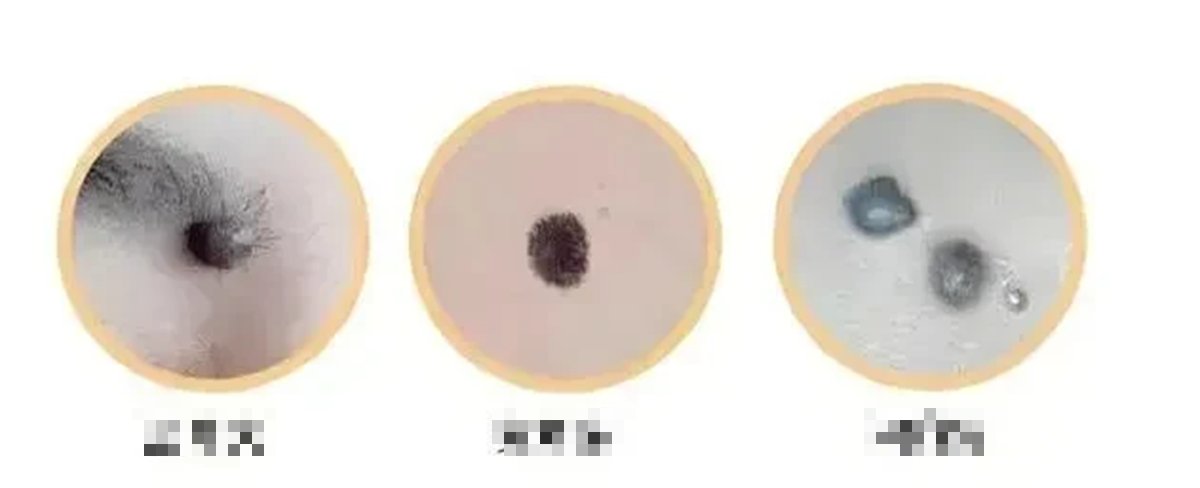
Skin cancer is among the most common forms of cancer worldwide. Fortunately, when detected early, many forms can be treated successfully. This is why awareness and early diagnosis remain so important.
<<Image 2>>
Dermatologists frequently recommend using the ABCDE rule when observing suspicious moles or skin lesions:
- A – Asymmetry: One half of the lesion does not match the other.
- B – Border: The edges become irregular, blurred, or uneven.
- C – Color: Multiple colors appear or the lesion becomes significantly darker.
- D – Diameter: The mole becomes noticeably larger over time.
- E – Evolution: Any visible changes in appearance should be carefully evaluated.
Among these warning signs, evolution—or change over time—is particularly important.
A mole that has existed harmlessly for years may still warrant medical evaluation if it begins changing suddenly. Many people mistakenly assume that longevity guarantees safety, but doctors caution that this is not always the case.
Changes that occur gradually are sometimes easier to dismiss than dramatic symptoms. A slight increase in size or subtle darkening may seem insignificant initially. However, when several changes occur together, they should not be overlooked.
The man's experience demonstrates precisely why seemingly minor symptoms deserve attention. Had he continued ignoring the warning signs, the consequences could have been even more severe.
Healthcare professionals stress that seeking medical advice does not necessarily mean something serious is present. Most skin abnormalities are not cancerous. Nevertheless, professional assessment provides reassurance when lesions are benign and facilitates early intervention when treatment is required.

Regular skin examinations are particularly important for older adults, as changes in the skin become increasingly common with age. Areas that are difficult to observe, such as around the eyes, behind the ears, or along the scalp, should also be checked periodically whenever possible.
Doctors recommend paying attention not only to moles but also to any unusual skin changes, including:
- Persistent sores that fail to heal
- New growths that appear suddenly
- Changes in existing spots or lesions
- Unexplained bleeding or crusting
- Persistent itching or tenderness
- Rapid changes in size or coloration
Even when symptoms appear mild, medical evaluation can provide valuable information and peace of mind.
While stories such as this one may sound alarming, they also carry an encouraging message: early detection saves lives. Advances in dermatological diagnosis and treatment have significantly improved outcomes for many patients when abnormalities are identified promptly.
The small mole beneath this man's eye remained harmless in appearance for more than twenty years. Yet when it finally began to change, it revealed the importance of listening to the body's warning signals.
No matter how insignificant a skin lesion may seem, sudden or unusual changes should never be dismissed simply because they have existed for a long time.
Sometimes, the smallest changes can carry the most important messages.
Early attention, professional evaluation, and awareness remain among the most powerful tools we have for protecting our health.