
Can an Underwear-Washing Habit Cause Cervical Cancer? Here's What Medical Experts Actually Say
Good hygiene matters, but cervical cancer has well-known medical causes.
Health 03/08/2026 23:02
Kidney disease is often called a “silent condition” because many people experience few or no symptoms during its early stages. By the time noticeable signs appear, significant kidney damage may already have occurred. Stories of young adults unexpectedly requiring dialysis highlight an important lesson: recognizing early warning signs and seeking medical attention promptly can make a major difference. While not every case can be prevented, understanding the risks and maintaining healthy habits may help protect your kidneys for years to come.


 5
5
The kidneys perform several essential functions. They filter waste products from the blood, regulate fluid balance, maintain healthy electrolyte levels, help control blood pressure, and produce hormones that support red blood cell production and bone health. When kidney function declines, waste products and excess fluid accumulate in the body, eventually leading to serious complications if left untreated.
One of the earliest warning signs that people often ignore is persistent foamy urine. While occasional bubbles may simply result from the force of urination, urine that consistently appears unusually foamy could indicate excess protein leaking into the urine, a condition known as proteinuria. Proteinuria does not automatically mean kidney disease, but it should be evaluated by a healthcare professional because it may be an early sign of kidney damage.
Another common warning sign is swelling in the feet, ankles, or around the eyes. Healthy kidneys remove excess sodium and water efficiently. When kidney function declines, fluid may build up in body tissues, causing noticeable swelling. This symptom can also occur with heart or liver conditions, making medical evaluation important to determine the underlying cause.
Many people overlook these symptoms because they are painless or develop gradually. Fatigue, poor appetite, muscle cramps, frequent nighttime urination, high blood pressure, itchy skin, and difficulty concentrating may also occur as kidney disease progresses. Unfortunately, these symptoms often appear only after kidney function has already declined significantly.


 6
6
Several medical conditions increase the risk of chronic kidney disease. Diabetes and high blood pressure are the leading causes worldwide. Other risk factors include obesity, smoking, family history of kidney disease, certain autoimmune disorders, recurrent kidney infections, and long-term use of some pain medications, particularly nonsteroidal anti-inflammatory drugs (NSAIDs). Regular health checkups become especially important for people with these risk factors.
If kidney disease is detected early, treatment can often slow its progression. Doctors may recommend controlling blood pressure and blood sugar, reducing salt intake, maintaining a healthy weight, exercising regularly, avoiding tobacco, limiting alcohol, and staying adequately hydrated. Medications may also be prescribed to protect kidney function depending on the underlying condition.
When kidney function declines to advanced stages, the kidneys may no longer be able to filter enough waste to keep the body healthy. At that point, patients may require dialysis, a treatment that removes waste products and excess fluid from the blood, or a kidney transplant. Dialysis can greatly improve quality of life and prolong survival, but preventing progression to this stage is always the preferred goal whenever possible.
Routine screening is simple and can identify problems long before symptoms develop. A urine test can detect protein leakage, while blood tests measure creatinine and estimate the glomerular filtration rate (eGFR), which reflects kidney function. These tests are especially recommended for people with diabetes, hypertension, or a family history of kidney disease.


 5
5
It is important to remember that not everyone with foamy urine or mild swelling has kidney disease, and not everyone with kidney disease experiences obvious symptoms. The key message is not to panic but to pay attention to persistent changes in your body. Ignoring warning signs can delay diagnosis and reduce treatment options.
Healthy kidneys often go unnoticed because they work quietly every minute of every day. Protecting them starts with regular medical checkups, managing chronic health conditions, eating a balanced diet, staying physically active, and seeking medical advice whenever unusual symptoms persist. Early action remains one of the most effective ways to preserve kidney function and reduce the risk of long-term complications.
Good hygiene matters, but cervical cancer has well-known medical causes.

If you have these lines on your nails after 40, it is a clear sign that..
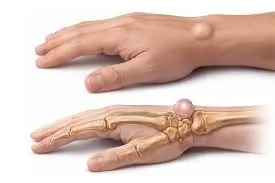
😮 Noticed a Bump on Your Wrist? Here’s What Your Body Could Be Telling You
People who have this line on their hand are very special...

⚠️ Coconut Water Can Be Healthy, But These 6 Groups Should Exercise Caution

Your Phone's Volume Buttons Can Do More Than You Think...

⚠️ If Your Hip Keeps Hurting, It May Be Time to Find Out Why
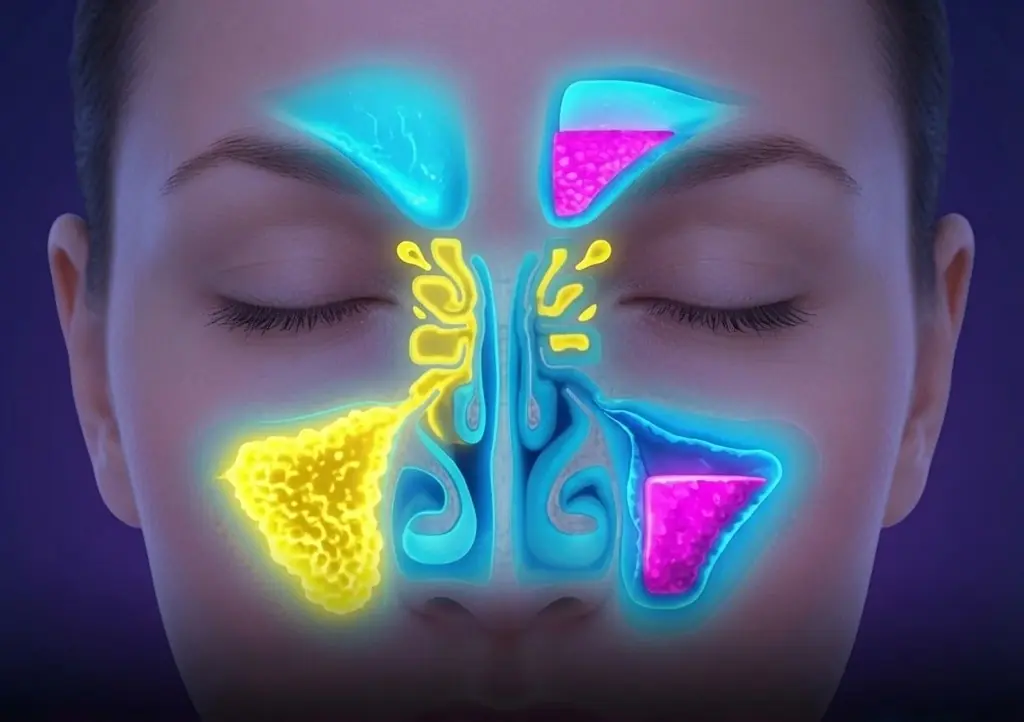
5 Nose Symptoms That May Be Associated With Underlying Health Conditions..
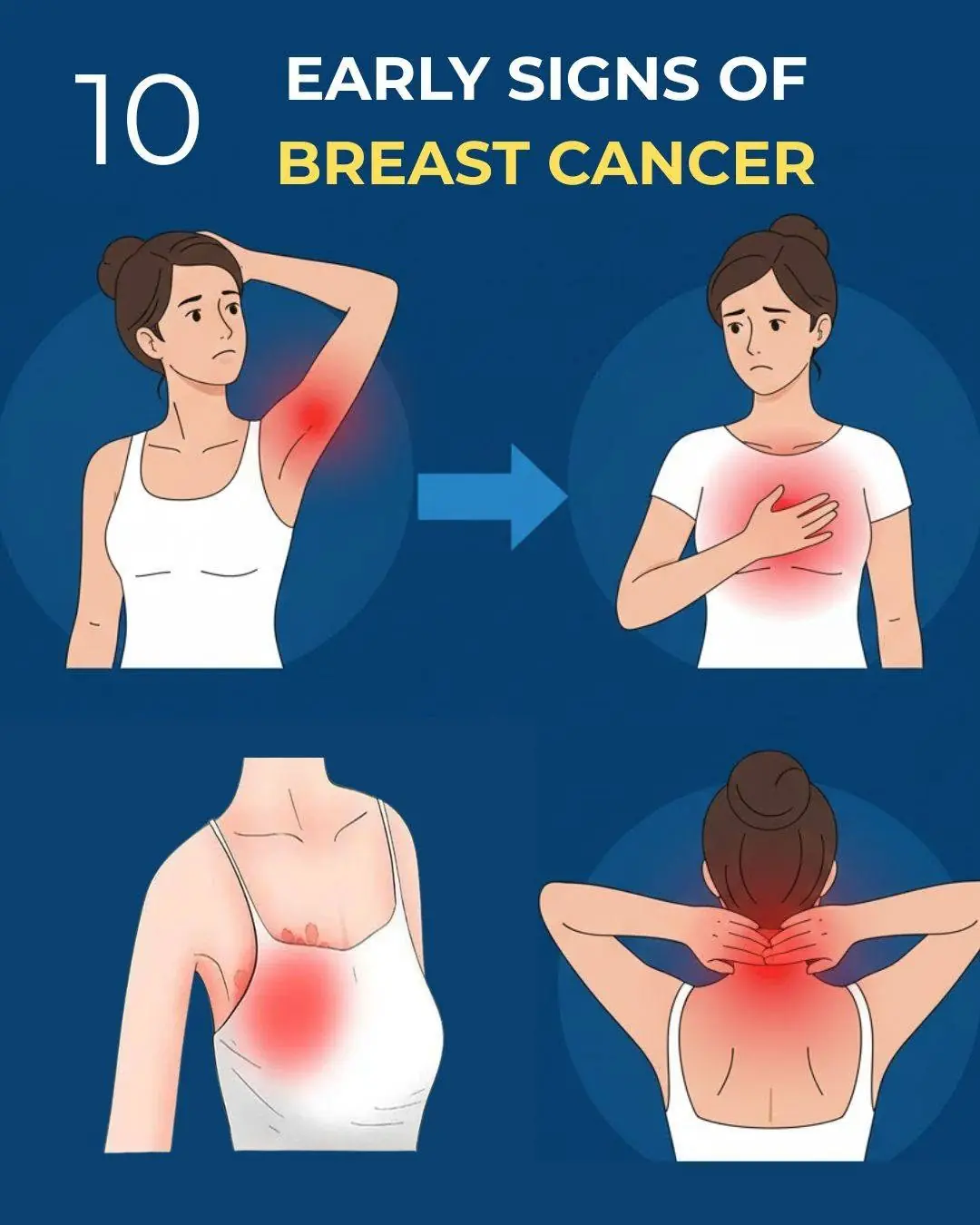
When to Pay Attention: 10 Potential Warning Signs of Breast Can.cer

😱 If Your Doctor Tells You to Get a Colonoscopy, Don’t Ignore This Beforehand… See More in the 1st Comment 👇
🥜 Walnuts Are Often Called a Healthy Food—But Doctors Say There’s More to Know… See More 👇

Cassava is nutritious, but improper preparation can pose serious health risks.
Your first meal can affect digestion, energy, and long-term stomach health.
Your first meal can affect digestion, energy, and long-term stomach health.
Your first meal can affect digestion, energy, and long-term stomach health.

An unusually bitter taste may signal natural toxins in certain vegetables.

As we age, maintaining good health becomes increasingly important. Nutrition experts often emphasize that small dietary choices can have a significant impact on overall wellness, especially after the age of 50.

A simple lemon water habit led to an unexpected health outcome.
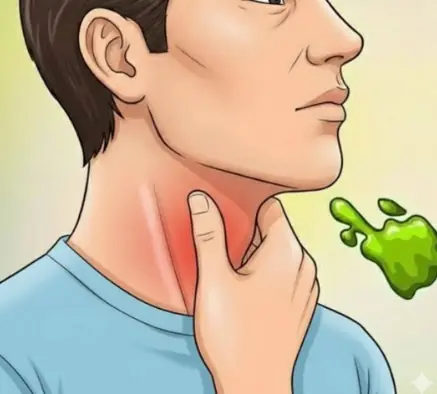
Constantly Coughing Up Mucus? Here Are Some Possible Reasons Why
If you have these lines on your nails after 40, it is a clear sign that..
😮 Noticed a Bump on Your Wrist? Here’s What Your Body Could Be Telling You
People who have this line on their hand are very special...
⚠️ Coconut Water Can Be Healthy, But These 6 Groups Should Exercise Caution
Your Phone's Volume Buttons Can Do More Than You Think...
⚠️ If Your Hip Keeps Hurting, It May Be Time to Find Out Why
5 Nose Symptoms That May Be Associated With Underlying Health Conditions..
When to Pay Attention: 10 Potential Warning Signs of Breast Can.cer
😱 If Your Doctor Tells You to Get a Colonoscopy, Don’t Ignore This Beforehand… See More in the 1st Comment 👇
🥜 Walnuts Are Often Called a Healthy Food—But Doctors Say There’s More to Know… See More 👇

Pick a Ring in 3 Seconds and Discover Your Secret Personality
Cassava is nutritious, but improper preparation can pose serious health risks.
Your first meal can affect digestion, energy, and long-term stomach health.
An unusually bitter taste may signal natural toxins in certain vegetables.
As we age, maintaining good health becomes increasingly important. Nutrition experts often emphasize that small dietary choices can have a significant impact on overall wellness, especially after the age of 50.
A simple lemon water habit led to an unexpected health outcome.
Constantly Coughing Up Mucus? Here Are Some Possible Reasons Why
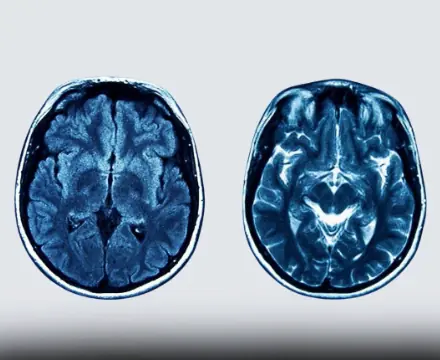
What Chronic Sleep Loss Can Do to the Brain: The Hidden Effects You Should Know
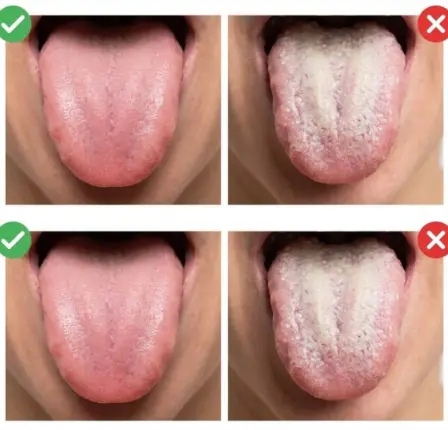
If Your Tongue Appears White, Here's What It Could Mean