Allergies are incredibly common. A runny nose, itchy skin, sneezing, watery eyes, congestion, or a mild rash can easily be blamed on seasonal allergies, dust, food, or a new household product. In many cases, that explanation is correct and the symptoms are harmless.
But sometimes, symptoms that look like an allergy can have an entirely different underlying cause.
This is why persistent, unusual, or worsening symptoms should not automatically be dismissed as an allergy. Conditions involving the skin, respiratory system, immune system, thyroid, gastrointestinal tract, or even certain medications can produce symptoms that resemble an allergic reaction.
The important lesson is not to panic when allergy-like symptoms appear. Instead, it's to recognize when the pattern doesn't look typical and when professional evaluation is warranted.
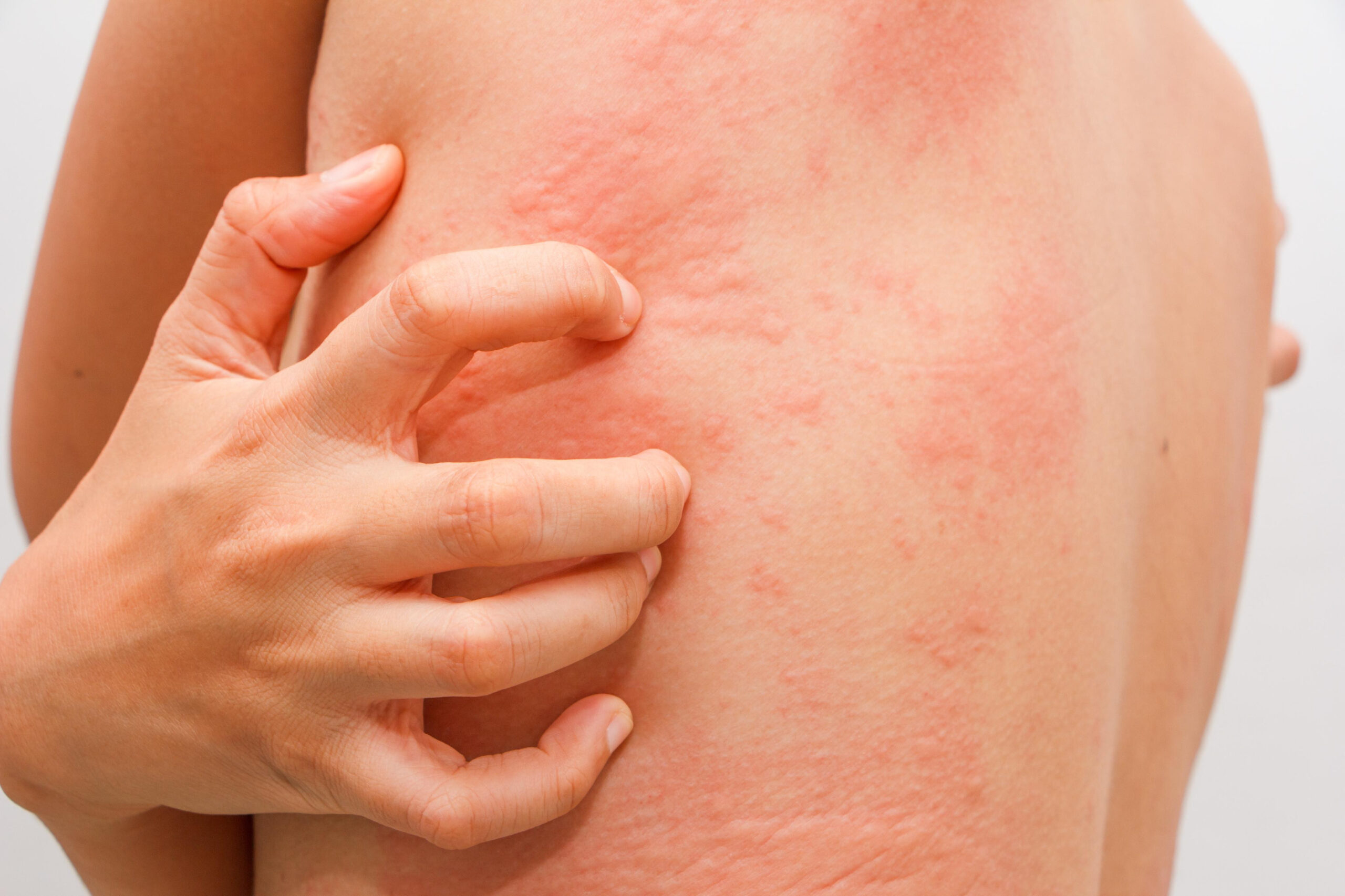
Why Allergy-Like Symptoms Can Be Misleading
An allergic reaction occurs when the immune system reacts excessively to a substance that is normally harmless.
Common triggers include:
-
Pollen
-
Dust mites
-
Pet dander
-
Certain foods
-
Insect venom
-
Medications
-
Mold
Typical allergy symptoms can include:
-
Sneezing
-
Runny or blocked nose
-
Itchy eyes
-
Hives
-
Skin itching
-
Swelling
-
Coughing
-
Wheezing
However, these symptoms aren't exclusive to allergies.
Several other conditions can produce remarkably similar symptoms.
1. Skin Conditions Can Look Like Allergies
A person who suddenly develops redness, itching, or a rash may assume they've encountered an allergen.
But the actual cause could be:
-
Eczema
-
Contact dermatitis
-
Psoriasis
-
Fungal infection
-
Scabies
-
Heat rash
-
Certain autoimmune conditions
For example, contact dermatitis can occur after exposure to soaps, detergents, cosmetics, metals, or plants. It may look like an allergic reaction, but the underlying mechanism can vary.
A healthcare professional can help determine the cause based on the appearance, location, timing, and progression of the rash.
2. Medication Reactions Can Mimic Allergies
Sometimes symptoms begin after starting a new medication.
A person might develop:
-
Rash
-
Itching
-
Swelling
-
Nausea
-
Dizziness
-
Changes in blood pressure
Some reactions are true allergies, while others are side effects or non-allergic drug reactions.
This distinction matters because treatment and future medication choices may be different.
If you develop a new rash after starting a medication, contact your healthcare provider rather than simply assuming it's a seasonal allergy.
3. Respiratory Problems May Be Mistaken for Allergies
Persistent coughing, wheezing, chest tightness, and shortness of breath can occur with allergies.
But these symptoms may also be associated with:
-
Asthma
-
Respiratory infections
-
Chronic obstructive pulmonary disease
-
Acid reflux
-
Environmental irritants
-
Certain heart conditions
A cough that continues for weeks deserves evaluation, particularly if it is accompanied by chest pain, unexplained weight loss, fever, or difficulty breathing.
4. Food Intolerance Isn't Always a Food Allergy
This is another common source of confusion.
Food allergies involve the immune system and can sometimes cause potentially serious reactions.
Food intolerances may instead involve difficulty digesting or processing a particular food.
For example, lactose intolerance can cause:
-
Bloating
-
Gas
-
Abdominal discomfort
-
Diarrhea
These symptoms aren't the same as an IgE-mediated milk allergy.
Understanding the difference can help prevent unnecessary food restrictions.
5. Some Infections Can Cause Allergy-Like Skin Changes
Certain infections can cause:
-
Rashes
-
Fever
-
Itching
-
Swelling
-
Fatigue
Because these symptoms can resemble an allergic reaction, it isn't always possible to identify the cause based on appearance alone.
Viral infections, bacterial infections, and fungal infections can all produce different types of skin changes.
This is especially important when a rash is accompanied by fever or significant illness.
6. Autoimmune Conditions Can Cause Unusual Symptoms
Autoimmune diseases occur when the immune system mistakenly attacks the body's own tissues.
Some autoimmune disorders can cause:
-
Skin rashes
-
Joint pain
-
Fatigue
-
Swelling
-
Sensitivity to sunlight
-
Unexplained fevers
These symptoms may initially be attributed to allergies or stress.
If symptoms persist for weeks or repeatedly return without an obvious trigger, medical evaluation may be appropriate.
7. Thyroid Problems Can Produce Unexpected Symptoms
The thyroid influences metabolism, energy, temperature regulation, and many other bodily processes.
Thyroid disorders can sometimes produce symptoms that seem unrelated, such as:
-
Dry or itchy skin
-
Changes in sweating
-
Hair loss
-
Fatigue
-
Weight changes
-
Sensitivity to heat or cold
These symptoms are not specific to thyroid disease, but persistent unexplained changes may warrant blood testing.
8. Stress Can Intensify Physical Symptoms
Stress doesn't mean symptoms are imaginary.
Psychological stress can influence the nervous and immune systems and may worsen certain physical conditions.
Stress can contribute to:
-
Itching
-
Hives
-
Sweating
-
Headaches
-
Digestive symptoms
-
Sleep problems
Some people notice that symptoms become worse during periods of emotional stress.
That doesn't necessarily mean stress is the only cause, but it may be one contributing factor.
When an "Allergy" Keeps Coming Back
One of the biggest clues that something deserves further evaluation is persistence or recurrence without an obvious trigger.
Consider speaking with a healthcare professional if symptoms:
-
Continue for several weeks
-
Keep returning
-
Become increasingly severe
-
Appear without an identifiable trigger
-
Don't improve with usual allergy measures
-
Are accompanied by unexplained systemic symptoms
A doctor may ask detailed questions about timing, exposures, medications, diet, environment, and family history.
What Doctors May Look For
When evaluating allergy-like symptoms, doctors may consider:
Medical History
The timing of symptoms can provide valuable clues.
For example:
Did symptoms begin:
-
After eating?
-
After taking medication?
-
During a particular season?
-
After changing laundry detergent?
-
After adopting a pet?
-
During a stressful period?
Patterns can help narrow down potential causes.
Physical Examination
A physical examination may reveal clues that aren't obvious to the patient.
The doctor may examine:
-
Skin
-
Eyes
-
Nose
-
Throat
-
Lungs
-
Lymph nodes
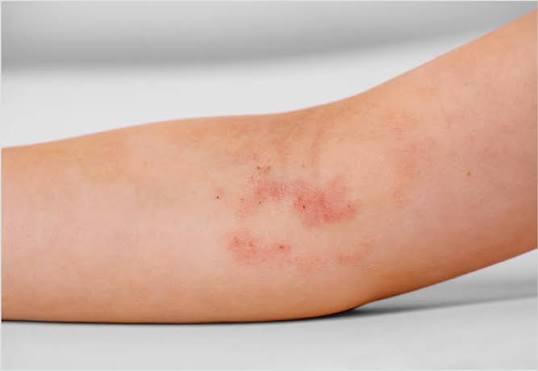
The location and appearance of a rash can sometimes help distinguish between different conditions.
Allergy Testing
Depending on the suspected trigger, healthcare professionals may recommend allergy testing.
This can include:
-
Skin-prick testing
-
Patch testing
-
Blood tests for specific IgE antibodies
However, testing isn't appropriate for every symptom, and results must be interpreted alongside the person's medical history.
A positive allergy test does not automatically mean that a particular substance is causing every symptom.
Blood Tests and Other Investigations
If symptoms don't appear to be caused by an allergy, doctors may consider other tests.
Depending on the situation, these might include:
-
Complete blood count
-
Inflammatory markers
-
Thyroid function tests
-
Kidney or liver function tests
-
Imaging studies
The specific tests depend entirely on the symptoms and clinical findings.
Warning Signs That Shouldn't Be Ignored
Most mild allergy symptoms aren't emergencies.
However, certain symptoms require immediate medical attention.
These include:
-
Difficulty breathing
-
Severe wheezing
-
Swelling of the tongue or throat
-
Fainting
-
Severe dizziness
-
Rapid worsening of symptoms
These can be signs of anaphylaxis, a potentially life-threatening allergic reaction.
If anaphylaxis is suspected, emergency medical treatment is required.
A Persistent Rash Also Deserves Attention
Seek medical evaluation if a rash:
-
Spreads rapidly
-
Becomes painful
-
Develops blisters
-
Produces pus
-
Is accompanied by fever
-
Involves the eyes or mouth
-
Does not improve
Some serious conditions can initially resemble ordinary allergic rashes.
Don't Ignore Unexplained Weight Loss
An unexpected and significant loss of weight isn't typical of ordinary seasonal allergies.
If weight loss occurs together with:
-
Persistent fatigue
-
Appetite changes
-
Night sweats
-
Chronic cough
-
Digestive problems
-
Persistent pain
a healthcare professional should evaluate the underlying cause.
Many conditions can cause these symptoms, and they do not automatically indicate cancer or another serious disease.
Why Self-Diagnosis Can Be Risky
Searching symptoms online can be useful for learning, but it cannot replace a medical evaluation.
The same symptom may have dozens of possible causes.
For example, itching can occur with:
-
Dry skin
-
Eczema
-
Allergies
-
Medication reactions
-
Liver disease
-
Kidney disease
-
Thyroid disorders
-
Infections
Without an examination and appropriate testing, it can be difficult to identify the actual cause.
What You Can Do Before Seeing a Doctor
If you experience recurring allergy-like symptoms, keep a simple record.
Write down:
-
When symptoms begin
-
What you ate
-
Medications taken
-
Products used on your skin
-
Where you were
-
Environmental conditions
-
How long symptoms lasted
-
What made them better or worse
This information can help your healthcare provider identify patterns.
Avoid Randomly Eliminating Foods
If you suspect a food allergy, don't automatically eliminate dozens of foods from your diet.
Unnecessary restriction can lead to:
-
Nutritional deficiencies
-
Anxiety around eating
-
Difficulty maintaining a balanced diet
Instead, discuss suspected food reactions with a qualified healthcare professional.
Don't Stop Prescription Medication Without Advice
If symptoms begin after taking a medication, contact the prescribing healthcare professional.
Some medications must not be stopped suddenly.
A doctor can determine whether the symptoms are likely related to the medication and whether an alternative is necessary.
The Importance of Paying Attention to Patterns
Your body often provides useful information through patterns.
For example:
If symptoms appear every spring, pollen exposure may be relevant.
If symptoms appear after using a particular cosmetic, contact dermatitis could be involved.
If itching occurs without a rash and persists for months, other causes may need to be investigated.
The goal isn't to assume the worst—it's to identify the most likely explanation.
The Bottom Line
A runny nose, itchy skin, rash, cough, or swelling may look like an allergy, but not every allergy-like symptom is caused by an allergy. Skin disorders, medication reactions, infections, asthma, autoimmune diseases, thyroid problems, environmental irritants, and other conditions can produce similar symptoms.
If symptoms are mild and clearly associated with a known seasonal trigger, they may simply reflect a common allergy. But if they are persistent, unusual, recurrent, worsening, or accompanied by other unexplained changes, medical evaluation is the safest approach.

Final Thoughts
The body doesn't always announce a health problem with dramatic symptoms. Sometimes the first clue is something seemingly ordinary—a rash that won't go away, a cough that keeps returning, unexplained itching, or swelling that appears without an obvious reason.
That doesn't mean every unusual symptom is a sign of serious disease. In fact, most are caused by relatively common and treatable conditions. The important thing is to avoid automatically labeling persistent symptoms as "just allergies."
If something feels different from your usual pattern, pay attention. Keep track of when symptoms occur, discuss them with a healthcare professional, and seek urgent care if you develop severe breathing difficulties, throat swelling, fainting, or rapidly worsening symptoms.
Sometimes the most important step isn't finding the diagnosis yourself—it's recognizing when it's time to let a medical professional find it for you.