Health Benefits of Pumpkin: Why This Colorful Vegetable Deserves a Place on Your Plate
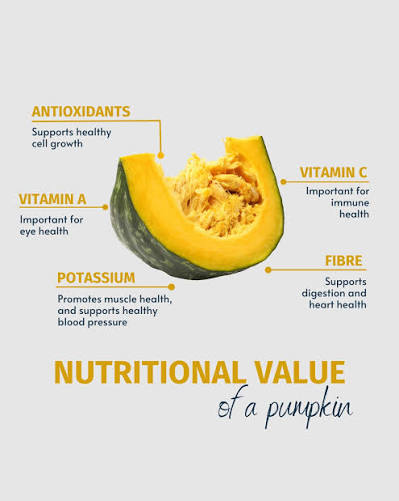
Pumpkin is more than just a seasonal favorite—it is a highly nutritious food packed with vitamins, minerals, fiber, and powerful antioxidants. Naturally low in calories and rich in nutrients, pumpkin can be enjoyed in soups, roasted dishes, salads, smoothies, and desserts. Including pumpkin as part of a balanced diet may support overall health in many ways.
Here are 10 science-based benefits of eating pumpkin.
1. Rich in Vitamin A for Healthy Vision
Pumpkin is one of the best natural sources of beta-carotene, a plant pigment that the body converts into vitamin A.
Vitamin A is essential for:
-
Maintaining normal vision.
-
Supporting night vision.
-
Keeping the cornea healthy.
-
Supporting the immune system.
A diet rich in vitamin A may help reduce the risk of vitamin A deficiency.
2. Packed with Powerful Antioxidants
Pumpkin contains several antioxidants, including:
-
Beta-carotene.
-
Alpha-carotene.
-
Vitamin C.
-
Vitamin E.
These compounds help protect cells from damage caused by free radicals, which are associated with aging and certain chronic diseases.
3. Supports a Healthy Immune System

The combination of vitamins A, C, and E, along with other antioxidants, helps support the body's natural immune defenses.
A healthy immune system plays an important role in protecting against infections and supporting recovery from illness.
4. May Promote Heart Health
Pumpkin provides nutrients that support cardiovascular health, including:
-
Potassium.
-
Fiber.
-
Vitamin C.
Potassium helps regulate blood pressure, while fiber may help maintain healthy cholesterol levels when consumed as part of a heart-healthy diet.
5. Aids Healthy Digestion
Pumpkin is a good source of dietary fiber, which helps:
-
Promote regular bowel movements.
-
Support beneficial gut bacteria.
-
Increase feelings of fullness.
-
Maintain digestive health.
Including fiber-rich foods in your daily diet supports a healthy digestive system.
6. May Support Healthy Weight Management
Pumpkin is naturally:
-
Low in calories.
-
High in water.
-
Rich in fiber.
These qualities help you feel full for longer, making pumpkin an excellent choice for people trying to manage their weight.
7. Supports Healthy Skin
The nutrients in pumpkin contribute to skin health.
Vitamin C supports collagen production, while beta-carotene helps protect the skin from oxidative stress caused by sunlight and environmental factors.
Although diet alone cannot prevent skin aging, nutrient-rich foods support overall skin health.
8. May Help Support Healthy Blood Pressure
Pumpkin contains potassium, an important mineral involved in maintaining normal blood pressure.
Eating potassium-rich foods while limiting excess sodium may support healthy blood pressure in many individuals.
9. Provides Important Vitamins and Minerals
In addition to vitamin A, pumpkin contains:
-
Vitamin C.
-
Vitamin E.
-
Potassium.
-
Magnesium.
-
Iron (small amounts).
-
Folate.
These nutrients contribute to healthy bones, muscles, nerves, and immune function.
10. Pumpkin Seeds Offer Extra Nutrition
Don't throw away the seeds.
Pumpkin seeds are rich in:
Roasted pumpkin seeds make a nutritious snack and can be added to salads, yogurt, or oatmeal.
Healthy Ways to Enjoy Pumpkin
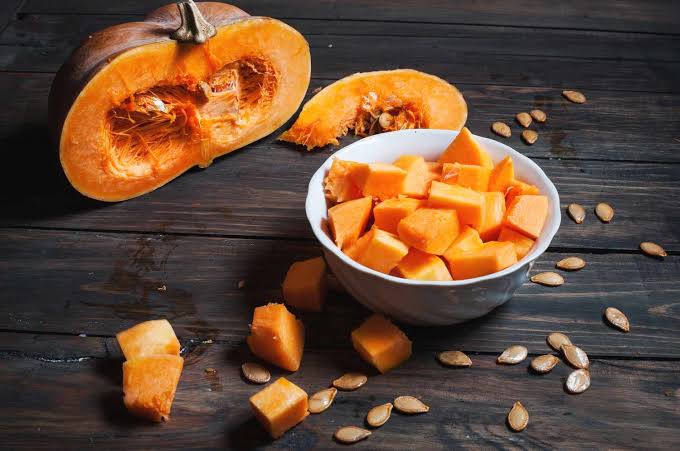
Pumpkin is incredibly versatile and can be prepared in many ways, including:
Choosing recipes with minimal added sugar and saturated fat helps preserve pumpkin's nutritional value.
Are There Any Precautions?
Pumpkin is generally safe for most people.
Keep in mind:
-
Sweet pumpkin desserts may contain large amounts of added sugar.
-
Pumpkin seeds are nutritious but calorie-dense, so enjoy them in moderation.
-
People with food allergies should avoid pumpkin if they have previously experienced an allergic reaction.
The Bottom Line
Pumpkin is a nutrient-dense vegetable that provides vitamin A, antioxidants, fiber, potassium, and many other beneficial nutrients. Regularly including pumpkin in a balanced diet may support eye health, immunity, heart health, digestion, skin health, and healthy weight management.
Whether roasted, steamed, blended into soup, or enjoyed with its nutritious seeds, pumpkin is a delicious and versatile food that can contribute to a healthy lifestyle.