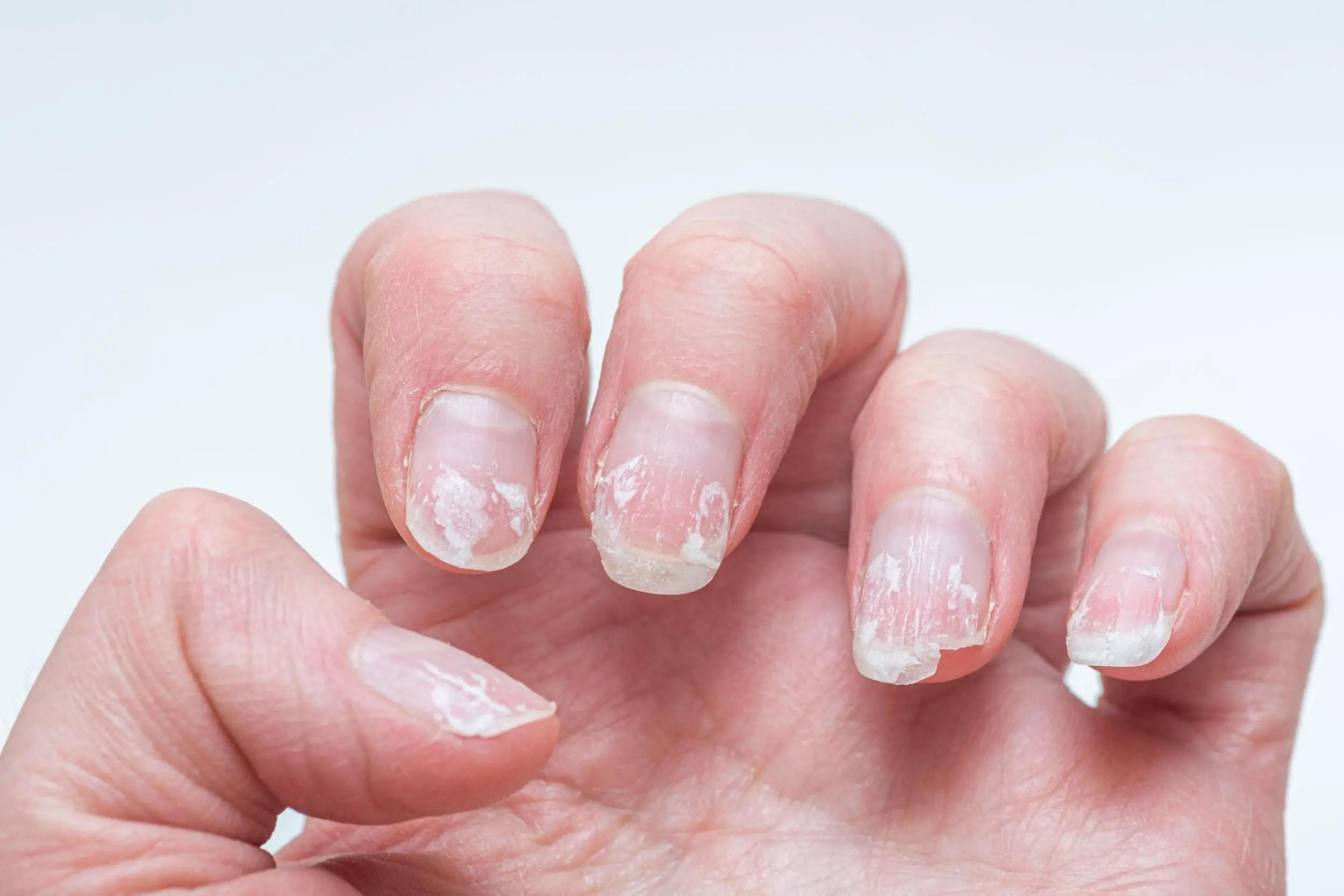
Brittle or Splitting Nails? Here’s What Your Body Might Be Trying to Tell You
Don't ignore brittle nails—your body could be asking for help.
Health 25/07/2026 20:09
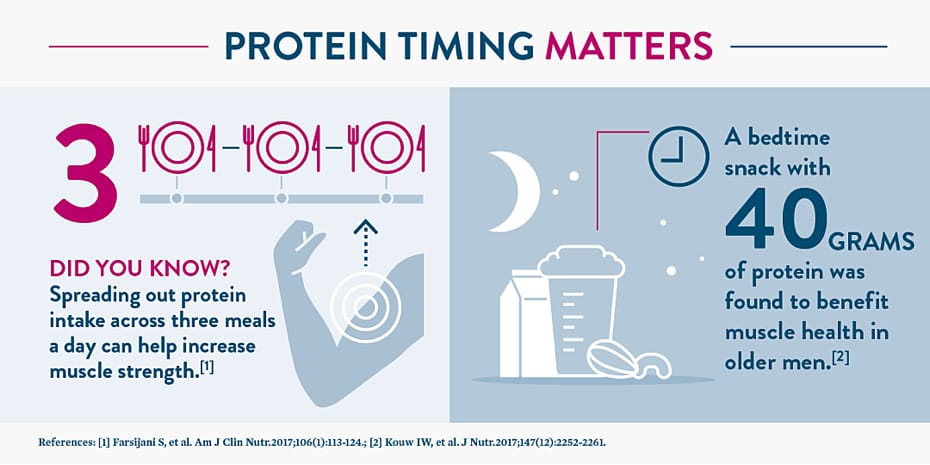
Protein is an essential nutrient that helps build muscles, repair tissues, produce hormones, and support the immune system. However, more protein is not always better. For certain medical conditions, consuming excessive amounts of protein—especially from animal sources—may place additional stress on the body or worsen symptoms.
Importantly, people with these conditions should not eliminate protein altogether. Instead, they may need to adjust the amount and type of protein they eat under the guidance of a healthcare professional or registered dietitian.
Here are 10 health conditions in which excessive protein intake may not be appropriate.
People with moderate to advanced chronic kidney disease often need to limit protein intake because damaged kidneys have difficulty removing waste products produced during protein metabolism.
Reducing protein to the amount recommended by a healthcare provider may help:
Decrease the kidneys' workload.
Slow disease progression in some cases.
Reduce the buildup of waste products in the blood.
People receiving dialysis usually have different protein requirements and often need more, not less, protein.
People with advanced liver disease, such as cirrhosis, may have difficulty processing protein properly.
Although protein remains essential to prevent muscle loss, some individuals—particularly those with hepatic encephalopathy—may require careful adjustment of protein intake under medical supervision.
Most people with stable liver disease should not avoid protein completely.
PKU is a rare inherited disorder in which the body cannot properly break down the amino acid phenylalanine.
People with PKU must follow a lifelong diet that limits many high-protein foods, including:
Meat
Fish
Eggs
Dairy products
Nuts
Special medical formulas are used to provide safe nutrition.

MSUD is another rare inherited metabolic disorder.
People with MSUD cannot properly process certain amino acids found in protein.
Without careful dietary management, these amino acids can build up to dangerous levels.
Treatment requires a specialized low-protein diet supervised by metabolic specialists.
The urea cycle helps remove excess nitrogen from protein metabolism.
People born with urea cycle disorders cannot efficiently eliminate ammonia, which can become toxic.
Managing these conditions often includes carefully controlled protein intake and specialized medical nutrition.
Protein itself does not directly cause gout, but many high-protein animal foods are also rich in purines, which are broken down into uric acid.
People with gout may benefit from limiting foods such as:
Organ meats
Certain seafood
Large amounts of red meat
Low-fat dairy products and plant-based proteins are generally better choices.
People who develop uric acid kidney stones or some calcium-based stones may be advised to avoid excessive amounts of animal protein.
High intakes of meat may:
Increase uric acid production.
Lower urine pH.
Increase the risk of stone formation in susceptible individuals.
Drinking plenty of water is also important for prevention.
In addition to PKU and MSUD, several rare inherited disorders affect the body's ability to process specific amino acids.
Examples include:
Homocystinuria
Tyrosinemia
Isovaleric acidemia
These conditions require individualized dietary treatment planned by specialists.
Healthy adults generally tolerate recommended amounts of protein well.
However, extremely high-protein diets may not provide additional health benefits for everyone and can reduce the intake of:
Fruits
Vegetables
Whole grains
Dietary fiber
A balanced eating pattern is usually more beneficial than focusing excessively on one nutrient.
Some digestive disorders can temporarily reduce tolerance to high-protein foods.
For example:
Acute pancreatitis (during early treatment)
Certain gastrointestinal disorders
Recovery after some digestive surgeries
Protein recommendations vary depending on the condition and stage of recovery, so medical guidance is essential.
For the average healthy adult, the recommended dietary allowance (RDA) is approximately:
0.8 grams of protein per kilogram of body weight per day
Higher intakes may be appropriate for:
Older adults
Athletes
Pregnant or breastfeeding women
People recovering from illness or surgery
Protein needs should be individualized based on age, health status, and activity level.
Choose a variety of protein-rich foods, including:
Fish
Skinless poultry
Eggs
Low-fat dairy products
Beans and lentils
Soy foods
Nuts and seeds
Lean meats
Including more plant-based protein sources may provide additional fiber and heart-healthy nutrients.
Protein is an essential part of a healthy diet, but some medical conditions require careful management of protein intake. People with chronic kidney disease, certain inherited metabolic disorders, advanced liver disease, gout, or specific types of kidney stones may need to limit or modify their protein consumption under medical supervision.
For most healthy people, eating a balanced amount of protein from a variety of animal and plant sources supports overall health. Rather than consuming excessive amounts, focus on meeting your individual protein needs while maintaining a well-rounded diet.
Don't ignore brittle nails—your body could be asking for help.

Poor Circulation? These 6 Everyday Habits Could Make a Difference.
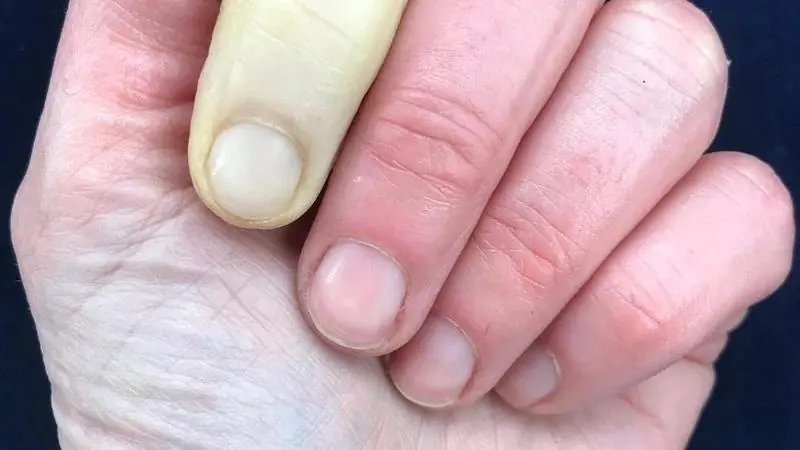
Your Fingers Could Be Sending an Early Warning—Don't Ignore This Sign.

What Happens to Your Body When You Don't Drink Enough Water?
5 Healthy Breakfast Ideas That Support Kidney Health

Your Feet Could Be Sending Important Health Signals: 10 Symptoms to Know

Could your sleep pattern be revealing hidden health problems?

Before you panic over faded underwear, read what doctors say first.

Your Body Gives These Clues When You Need More Water


Could These Cognitive Changes Be an Early Sign of Alzheimer's?

Is Your Shoulder Blade Pain a Warning Sign?
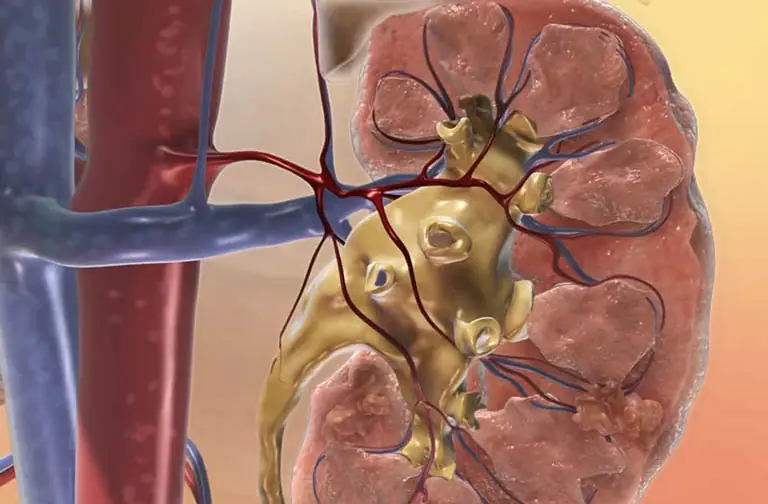
Early Signs That May Indicate a Kidney Problem

A well-maintained kettle helps ensure safer water and longer appliance life.

Healthy daily habits play a major role in protecting your liver for life.

Safe chicken preparation helps prevent serious foodborne illnesses every day.

A single long fingernail can have practical, cultural, or personal meanings.
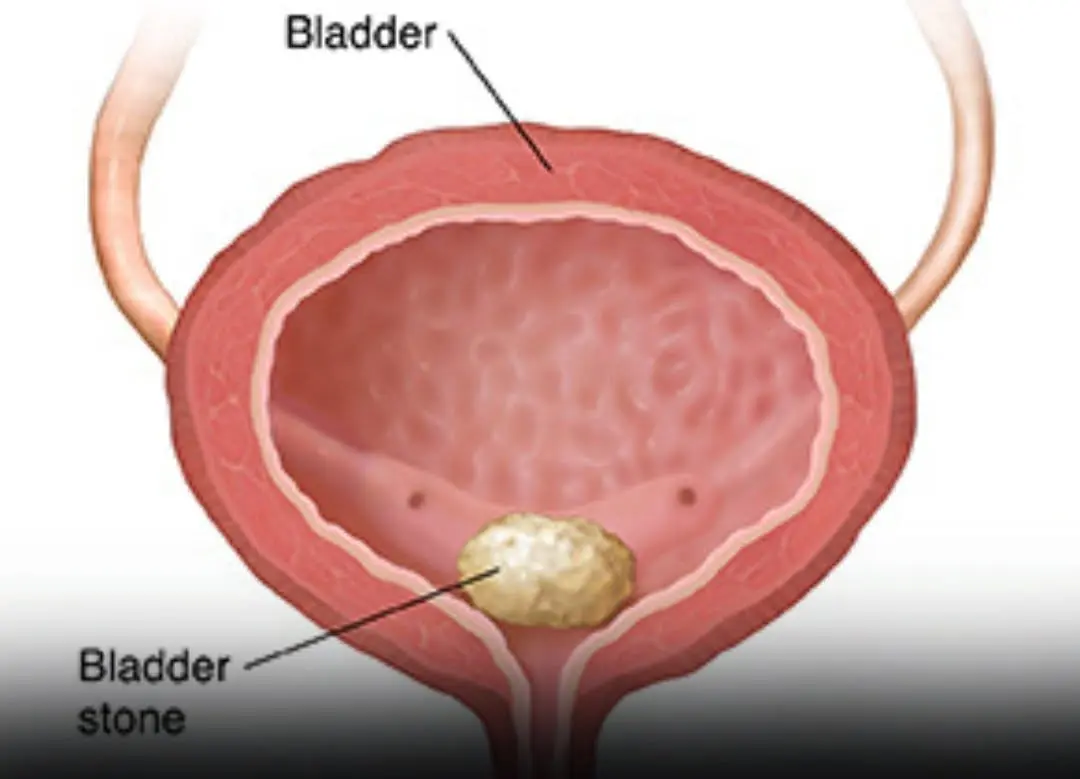
Is Your Body Sending a Signal? Early Signs of Bladder Can:cer
Don't ignore brittle nails—your body could be asking for help.
Poor Circulation? These 6 Everyday Habits Could Make a Difference.

The Real Reason Cockroaches Won't Leave Your House Alone.
Your Fingers Could Be Sending an Early Warning—Don't Ignore This Sign.
What Happens to Your Body When You Don't Drink Enough Water?
5 Healthy Breakfast Ideas That Support Kidney Health

Your Feet Could Be Sending Important Health Signals: 10 Symptoms to Know

Your Dog Keeps Sleeping in Your Bed? Here's the Real Reason
Could your sleep pattern be revealing hidden health problems?

One Image, Two Interpretations—Which One Did You See?

Before you panic over faded underwear, read what doctors say first.
Your Body Gives These Clues When You Need More Water

Don't Panic! Follow These Life-Saving Steps After a Snake Bite
Could These Cognitive Changes Be an Early Sign of Alzheimer's?

One Simple Choice, Eight Different Personalities
Is Your Shoulder Blade Pain a Warning Sign?