Doctors Warn: Not All Coconut Water Is Safe to Drink
Coconut water is often praised as a refreshing beverage packed with electrolytes, vitamins, and minerals. Many people enjoy it after exercise, during hot weather, or simply as a natural alternative to sugary drinks.
But while coconut water is generally considered safe and healthy, doctors warn that not all coconut water should be consumed without caution.
A rare but tragic medical case has highlighted the importance of checking the freshness and quality of coconuts before drinking their contents.
A Shocking Medical Case
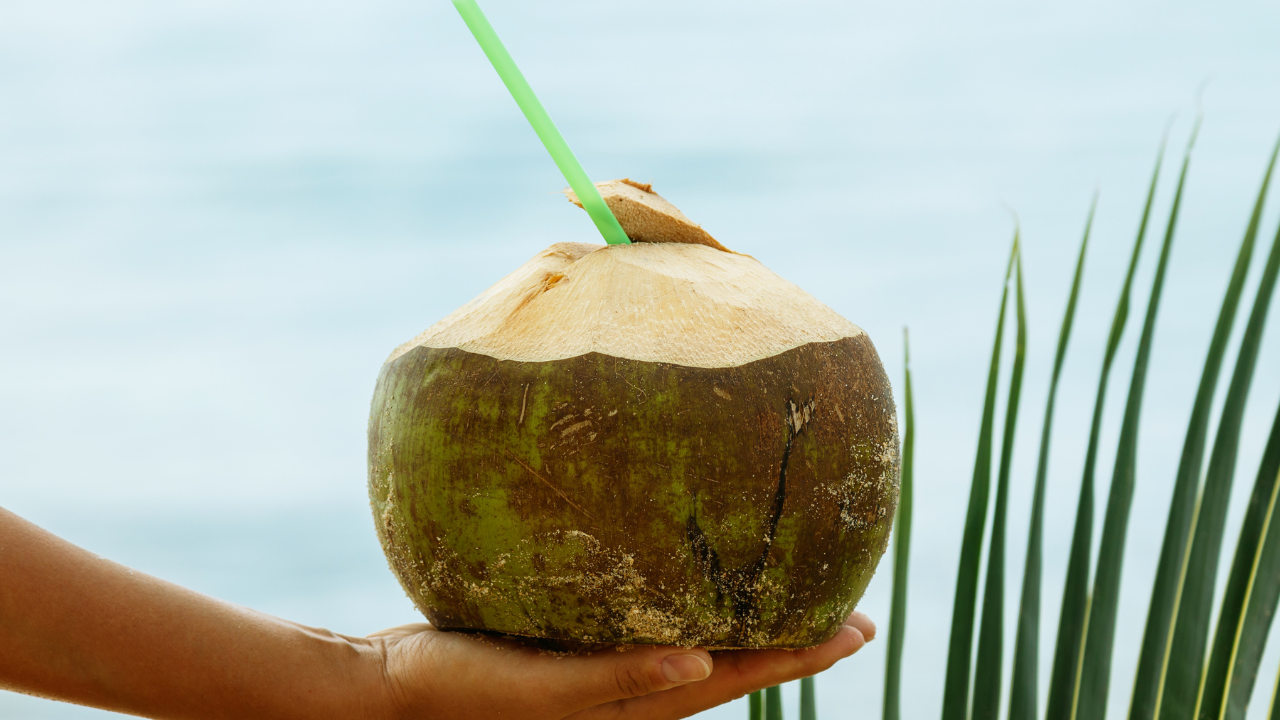
Several years ago, a healthy middle-aged man purchased a coconut and stored it at room temperature for an extended period before opening it.
When he finally cracked it open, he noticed that the coconut water inside tasted unusual. Despite the odd flavor, he consumed some of it.
Shortly afterward, he developed severe symptoms, including nausea, sweating, dizziness, and vomiting. His condition rapidly worsened, eventually leading to serious neurological complications.
Despite receiving emergency medical treatment, the man later died from severe brain damage.
The case attracted significant attention because the cause was not the coconut water itself, but rather toxins that had developed inside the spoiled coconut.
What Went Wrong?
Experts believe the coconut had become contaminated with mold.
Certain types of mold can produce dangerous substances known as mycotoxins. These toxins may develop when food is stored improperly or for too long under favorable conditions.
One toxin suspected in the case was 3-nitropropionic acid, a rare but highly toxic compound that can affect the brain and nervous system.
Even small amounts may cause severe illness under certain circumstances.
The key lesson from the case is that spoiled food and beverages can sometimes contain harmful toxins that cannot always be seen or detected immediately.
Why Coconut Water Is Usually Safe
It's important to emphasize that fresh coconut water itself is not dangerous.
Millions of people around the world drink coconut water every day without any problems. Fresh coconut water contains:
- Potassium
- Magnesium
- Calcium
- Antioxidants
- Natural electrolytes
Many athletes and health-conscious consumers enjoy it as part of a balanced diet.
The danger arises when coconuts become spoiled, contaminated, or improperly stored.
Signs a Coconut May No Longer Be Safe
Before drinking coconut water directly from a fresh coconut, experts recommend inspecting it carefully.
Warning signs may include:
Unusual Odor
Fresh coconut water typically has a mild, pleasant aroma.
A sour, fermented, musty, or moldy smell may indicate spoilage.
Strange Taste
If the liquid tastes bitter, sour, alcoholic, or otherwise unusual, it should be discarded immediately.
Visible Mold
Any signs of mold growth on the shell, inside the coconut, or around cracks should be considered a warning sign.
Discolored Liquid
Fresh coconut water is generally clear to slightly cloudy.
Significant discoloration may suggest contamination or spoilage.
Damaged Shell

Cracks, leaks, soft spots, or visible deterioration can allow bacteria and mold to enter the coconut.
Foodborne Toxins Can Be Dangerous
Many people assume that spoiled food simply causes mild stomach discomfort.
However, certain molds can produce toxins capable of affecting multiple organs, including the liver, kidneys, and brain.
In rare situations, severe poisoning can lead to hospitalization, permanent injury, or death.
The risk is not limited to coconuts. Similar contamination can occur in:
- Nuts
- Grains
- Bread
- Fruits
- Stored foods
- Fermented products
Proper storage remains one of the best ways to reduce risk.
How to Store Coconuts Safely
To help maintain freshness, experts recommend:
- Purchasing coconuts from reputable sources
- Avoiding coconuts with visible damage
- Storing them in a cool environment
- Consuming them within a reasonable time after purchase
- Refrigerating coconut water after opening
- Discarding any coconut that develops unusual odors or flavors
When in doubt, it's safer not to consume questionable food or beverages.
Symptoms That May Indicate Foodborne Toxin Exposure
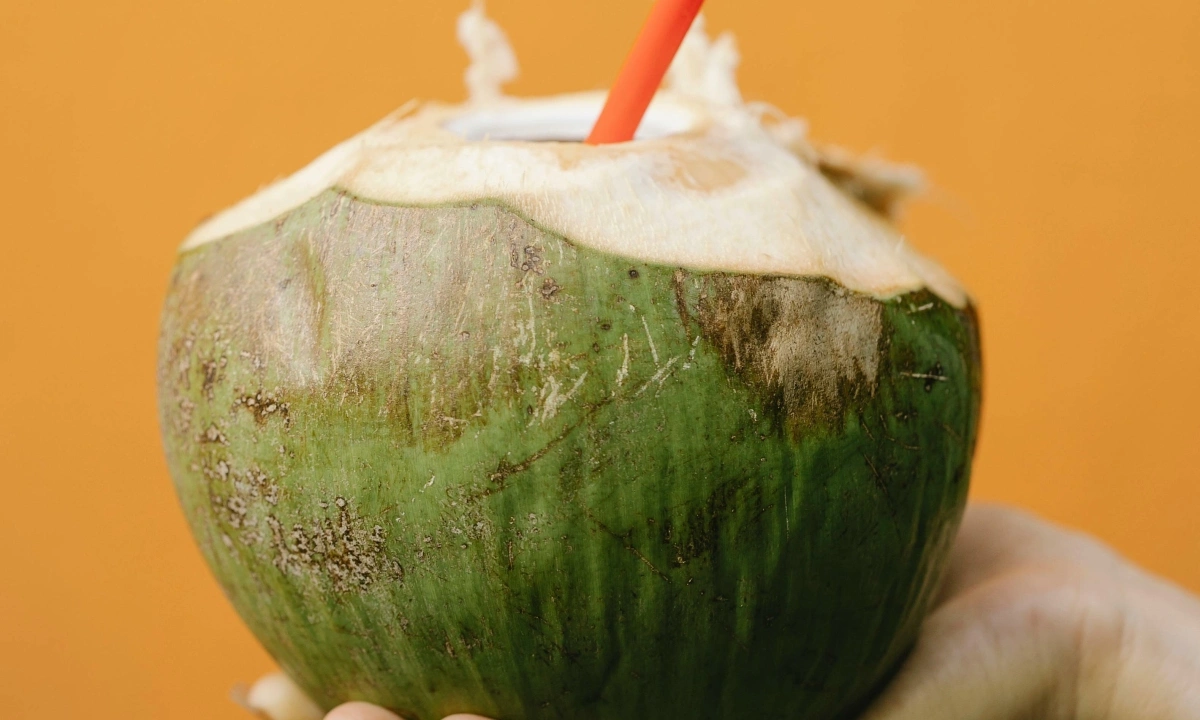
Seek medical attention if severe symptoms occur after consuming food or beverages, including:
- Persistent vomiting
- Severe nausea
- Dizziness
- Confusion
- Difficulty walking
- Seizures
- Loss of consciousness
Rapid medical intervention may improve outcomes in serious poisoning cases.
The Bottom Line
Coconut water remains a nutritious and popular beverage enjoyed by millions of people worldwide. For most individuals, it can be a healthy part of a balanced diet.
However, the tragic case of a man who developed fatal neurological complications after drinking spoiled coconut water serves as an important reminder: freshness matters.
Before consuming coconut water from a fresh coconut, pay attention to its smell, taste, appearance, and storage conditions. If anything seems unusual, it's best to throw it away.
When it comes to food safety, caution is always preferable to taking unnecessary risks.