Man Suffers Brain Atrophy Due to Lead Poisoning from a Thermos:
3 Types of Drinks You Should Never Store in It
A simple daily habit may carry hidden health risks that many people never consider.
Doctors recently warned about the dangers of using poor-quality thermoses and metal containers after reports linked long-term exposure to toxic materials with serious health complications — including lead poisoning and neurological damage. In one alarming case shared by medical experts, a man reportedly developed symptoms associated with brain atrophy after prolonged exposure to lead believed to have leached from a low-quality thermos.
While thermoses are designed to keep drinks hot or cold, not every beverage is safe to store inside them for long periods of time. Certain liquids can react with the inner lining or metal components, potentially releasing harmful substances into the drink.
Here are three types of beverages experts say you should avoid storing in a thermos for extended periods.:quality(75)/2023_12_13_638380721416039053_loi-binh-giu-nhiet-4.jpg)
1. Acidic Drinks
Drinks with high acidity can gradually damage the protective inner layer of some thermoses, especially low-quality or damaged ones.
These include:
- Lemon water
- Orange juice
- Vinegar-based drinks
- Tomato juice
- Carbonated beverages
Acidic liquids may react with metal surfaces and increase the risk of chemical leaching. If the thermos contains inferior materials or damaged coatings, harmful metals such as lead or other contaminants could potentially enter the drink.
Safer option:
Use glass containers or high-quality food-grade stainless steel bottles for acidic beverages.
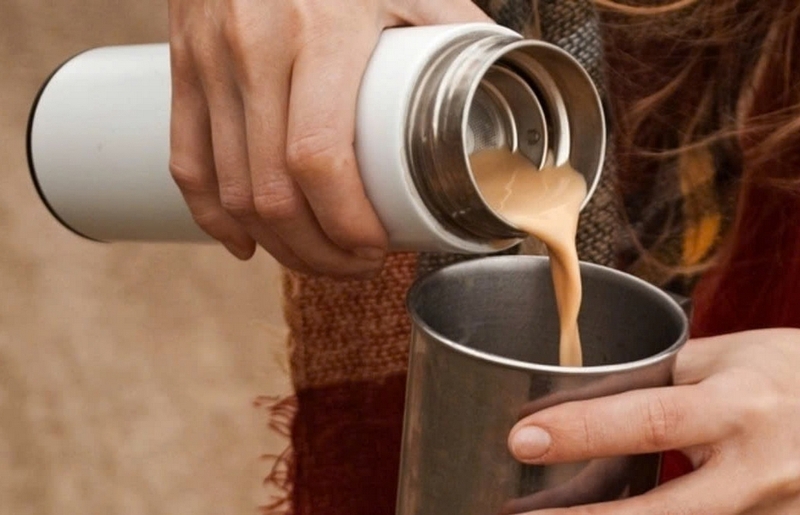
2. Tea Stored for Too Long
:quality(75)/cach_su_dung_binh_giu_nhiet_dung_an_toan_95e1d562ae.jpg)
Many people carry tea in a thermos throughout the day, believing it is harmless. However, storing tea for many hours at high temperatures may reduce its nutritional value and encourage bacterial growth.
Tea contains compounds that can break down over time when continuously exposed to heat. In some cases, prolonged storage may also increase the release of unwanted substances from poor-quality containers.
Experts say repeatedly reheating or storing tea all day inside a sealed thermos may not be ideal for health.
Safer option:
Brew fresh tea when possible and avoid keeping it in a thermos for excessive periods.
3. Milk and Dairy-Based Drinks
Milk, soy milk, and protein beverages should never remain in a warm thermos for too long.
Warm temperatures create an environment where bacteria can multiply rapidly, especially if the container is not cleaned thoroughly. Spoiled dairy products may cause stomach pain, diarrhea, vomiting, and food poisoning.
In addition, dairy drinks can leave residue inside the thermos, making it easier for bacteria to grow if the bottle is not washed properly.
Safer option:
Keep dairy beverages refrigerated whenever possible and consume them quickly after preparation.
Why Lead Poisoning Is So Dangerous
Lead is a toxic heavy metal that can accumulate in the body over time. Even small amounts consumed repeatedly may eventually cause serious health problems.
Possible symptoms of lead poisoning include:
- Memory problems
- Fatigue
- Headaches
- Difficulty concentrating
- Nerve damage
- Mood changes
- Muscle weakness
In severe cases, prolonged exposure may affect the brain, kidneys, and nervous system.
Children and older adults are especially vulnerable to lead toxicity.
How to Choose a Safe Thermos
Health experts recommend paying attention to the quality and material of reusable bottles and thermoses.
When buying one, look for:
- Food-grade stainless steel
- BPA-free materials
- Certified safety standards
- Trusted brands
- Rust-resistant interiors
You should also replace thermoses that show signs of damage, peeling, rust, strange odors, or discoloration.
Final Thoughts
A thermos may seem harmless, but using low-quality containers or storing the wrong beverages for too long can create unexpected health risks.
Choosing safer materials and paying attention to what you store inside your thermos may help protect you and your family from exposure to harmful substances. Sometimes, small daily habits can make a much bigger difference to your health than you realize.