Cucumbers Offer Many Benefits, but 4 Types of People Should Avoid Eating Them
Cucumbers are widely known as a refreshing, low-calorie vegetable packed with water, vitamins, and antioxidants. They help support hydration, digestion, and even skin health. However, despite their benefits, cucumbers are not ideal for everyone. In some cases, eating too many cucumbers may cause discomfort or worsen certain health conditions.
Here are four groups of people who should be careful with or avoid eating cucumbers:
1. People with Sensitive Digestion

Cucumbers contain cucurbitacins and a high amount of fiber, which can be difficult for some people to digest. Those with a sensitive stomach, irritable bowel syndrome (IBS), or frequent bloating may experience gas, stomach pain, or indigestion after eating cucumbers.
2. People with Kidney Problems
Cucumbers are rich in water and potassium. While this is generally healthy, people with kidney disease may have trouble removing excess potassium from the body. This can lead to dangerous potassium buildup, so cucumber intake should be limited under medical guidance.
3. People with Cold Sensitivity or Weak Digestion (in traditional views)
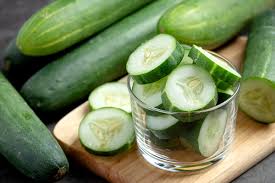
In traditional Eastern medicine, cucumbers are considered “cooling” foods. People who often feel cold, have low energy, or weak digestion may feel discomfort such as stomach coldness or loose stools after eating too much cucumber.
4. People Taking Certain Medications

Cucumbers can affect fluid balance and potassium levels in the body. People taking diuretics, blood pressure medication, or other drugs that influence electrolytes should be cautious and consult a doctor before consuming large amounts.
Final Thoughts
Cucumbers are still a healthy food for most people when eaten in moderation. The key is to understand your own body and health condition. If you have any underlying issues, it’s best to enjoy cucumbers in small amounts or seek medical advice.