The kidneys are among the most important organs in the human body. These bean-shaped organs work continuously to filter waste, remove excess fluids, balance minerals, regulate blood pressure, and support overall health. Because the kidneys perform so many vital functions every day, maintaining kidney wellness is essential for long-term health and quality of life.
One of the most effective ways to support healthy kidney function is through nutrition. A balanced diet rich in vegetables and leafy greens may help reduce inflammation, support circulation, manage blood pressure, and provide important antioxidants that protect the body from oxidative stress.
However, not all vegetables affect the kidneys in the same way. Certain greens and vegetables are especially valued for their potential kidney-supporting properties, while others may need to be limited in people with advanced kidney disease due to high potassium or oxalate content.
For many healthy individuals, these nutrient-rich vegetables can be part of a kidney-friendly lifestyle that supports overall wellness naturally.
Why Vegetables Matter for Kidney Health
Vegetables provide important nutrients that help support many functions connected to kidney wellness, including:
- Blood pressure regulation
- Hydration balance
- Reduced inflammation
- Antioxidant protection
- Healthy circulation
- Metabolic health
Diets rich in plant foods are often associated with lower risks of conditions that can damage the kidneys over time, such as:
- High blood pressure
- Type 2 diabetes
- Obesity
- Cardiovascular disease
Many vegetables are also naturally low in calories and rich in fiber, helping support healthy weight management.
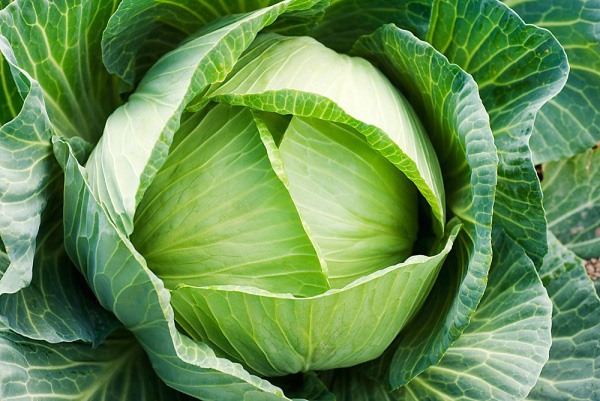
1. Cabbage
Cabbage is often considered a kidney-friendly vegetable because it is rich in nutrients while being relatively low in potassium compared to some other greens.
Cabbage contains:
- Vitamin C
- Vitamin K
- Fiber
- Antioxidants
It also contains compounds called phytochemicals that may help protect cells from oxidative damage.
Cabbage may support:
- Digestive health
- Immune function
- Inflammation balance
It can be enjoyed:
- Raw in salads
- Cooked in soups
- Stir-fried
- Fermented as sauerkraut or kimchi
2. Cauliflower
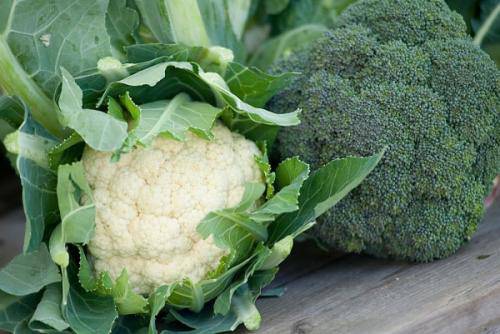
Cauliflower is another vegetable commonly included in kidney-conscious diets.
It provides:
- Fiber
- Vitamin C
- Folate
- Antioxidants
Cauliflower also contains compounds that may support the body’s natural detoxification processes.
This vegetable can be a versatile substitute for:
- Rice
- Mashed potatoes
- Refined carbohydrates
Because it is lower in potassium than some starchy vegetables, it is often preferred in certain kidney-friendly meal plans.
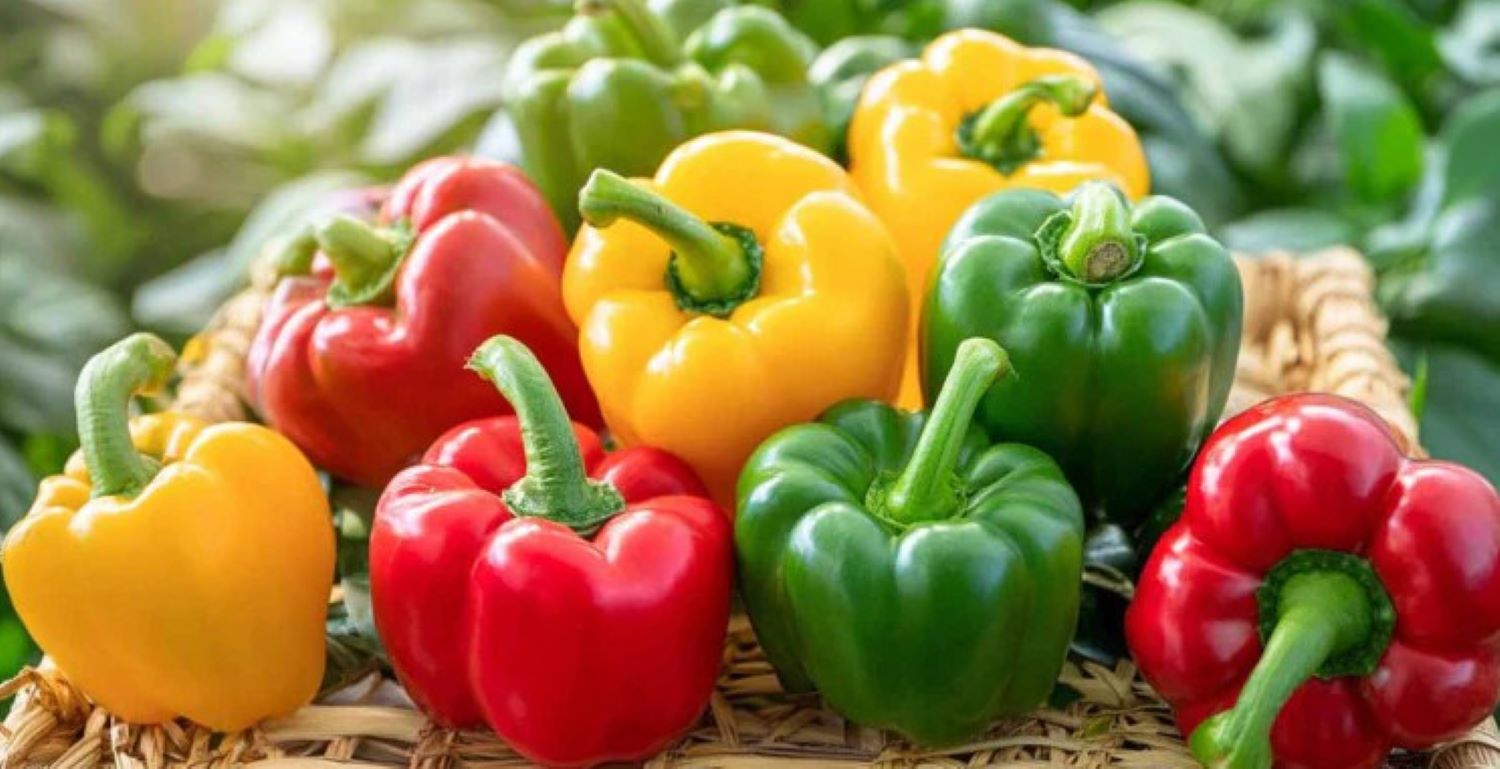
3. Bell Peppers
Bell peppers are colorful vegetables packed with nutrients and antioxidants.
They are rich in:
- Vitamin C
- Vitamin A
- Vitamin B6
- Fiber
Red bell peppers especially contain carotenoids and antioxidants that may help reduce oxidative stress.
Bell peppers are also relatively low in potassium compared to some other vegetables, making them popular in kidney-conscious diets.
They can be added to:
- Salads
- Soups
- Stir-fries
- Roasted vegetable dishes
4. Garlic
Garlic is valued both as a flavorful ingredient and for its potential health benefits.
Research suggests garlic may help support:
- Heart health
- Blood pressure balance
- Circulation
- Inflammation control
Since high sodium intake may place strain on the kidneys, garlic can also be useful as a natural seasoning alternative to excess salt.
Garlic contains sulfur compounds and antioxidants that may support overall wellness.
5. Spinach
Spinach is highly nutritious and contains:
- Iron
- Magnesium
- Folate
- Vitamin K
- Antioxidants
Its antioxidants may help protect cells from oxidative stress.
However, spinach is also relatively high in potassium and oxalates. For healthy individuals, spinach can be a beneficial part of a balanced diet, but people with advanced kidney disease or certain kidney stone conditions may need to monitor intake carefully.
Moderation and individualized dietary guidance are important.
6. Kale
Kale is often called a “superfood” because of its dense nutritional profile.
It contains:
- Vitamins A, C, and K
- Antioxidants
- Fiber
- Plant compounds with anti-inflammatory potential
Kale may help support:
- Heart health
- Circulation
- Immune function
Healthy circulation is especially important for kidney wellness because the kidneys rely on strong blood flow to function properly.
7. Onions
Onions provide flavor while being naturally low in sodium.
They also contain:
- Antioxidants
- Flavonoids
- Vitamin C
One compound found in onions, quercetin, has been studied for its potential anti-inflammatory and antioxidant properties.
Onions can help create flavorful meals without relying heavily on processed seasonings or excess salt.
8. Broccoli
Broccoli is rich in:
- Fiber
- Vitamin C
- Vitamin K
- Plant antioxidants
Research suggests cruciferous vegetables like broccoli may help support overall cellular health.
Broccoli may also support:
- Digestive wellness
- Immune health
- Inflammation balance
Steamed or lightly cooked broccoli is often easier to digest for some individuals.
9. Arugula
Arugula is a leafy green with a peppery flavor and high nutrient density.
It contains:
- Calcium
- Folate
- Antioxidants
- Vitamin K
Compared to some darker greens, arugula may contain lower levels of potassium, making it a useful option in certain kidney-friendly diets.
It works well in:
- Salads
- Sandwiches
- Smoothies
- Pasta dishes

10. Cucumbers
Cucumbers are mostly water, making them naturally hydrating and refreshing.
Proper hydration is important for supporting kidney function because the kidneys rely on fluids to help remove waste from the body.
Cucumbers also contain:
- Vitamin K
- Antioxidants
- Small amounts of potassium
Their high water content may help support fluid balance and digestion.
The Importance of Potassium Awareness
While vegetables are healthy, people with advanced kidney disease sometimes need to monitor potassium intake carefully.
When kidney function declines significantly, the body may struggle to remove excess potassium properly.
Very high potassium levels may affect:
- Heart rhythm
- Muscle function
- Nerve signaling
High-potassium vegetables may include:
- Potatoes
- Tomatoes
- Spinach
- Sweet potatoes
This does not mean these foods are unhealthy — only that kidney patients may require individualized dietary guidance.
Lifestyle Habits That Support Kidney Wellness
In addition to eating vegetables, several habits may help protect kidney function.
Stay Hydrated
Adequate water intake helps the kidneys filter waste efficiently.
Limit Excess Sodium
Too much salt may increase blood pressure and strain the kidneys.
Control Blood Sugar
Diabetes is one of the leading causes of kidney damage.
Maintain Healthy Blood Pressure
Healthy circulation supports kidney function.
Exercise Regularly
Physical activity improves metabolic and cardiovascular health.
Avoid Smoking
Smoking damages blood vessels and circulation.
Foods That May Place Extra Stress on the Kidneys
Certain dietary habits may negatively affect kidney health over time, especially when consumed excessively.
These include:
- Highly processed foods
- Excess sodium
- Sugary beverages
- Heavy alcohol intake
- Excessive processed meats
Balancing the diet with fresh vegetables and whole foods may help reduce long-term strain on the body.
When to Talk to a Healthcare Professional
People should seek medical advice if they experience symptoms such as:
- Swelling
- Changes in urination
- Persistent fatigue
- High blood pressure
- Back pain near the kidneys
- Foamy urine
Those already diagnosed with kidney disease should always follow individualized dietary guidance from healthcare providers or renal dietitians.
Final Thoughts
Healthy greens and vegetables may play an important role in supporting kidney wellness and overall health. Foods such as cabbage, cauliflower, bell peppers, kale, broccoli, garlic, and cucumbers provide nutrients, antioxidants, and plant compounds that may help protect the body naturally.
At the same time, kidney health depends on balance, hydration, blood pressure control, and overall lifestyle habits — not just one food alone.
The kidneys work tirelessly every day to protect the body, and nourishing them with healthy choices may help support long-term wellness and vitality.