Stroke remains one of the leading causes of disability and death worldwide. Although age, genetics, and certain medical conditions can influence stroke risk, many lifestyle choices also play an important role in maintaining healthy blood vessels, circulation, and overall cardiovascular health.
Fortunately, stroke prevention is not only about medications or medical treatments. Everyday habits especially those practiced after meals and before bedtime - can contribute to long-term health and support healthy blood pressure, blood sugar control, sleep quality, and heart function.
While no single habit can guarantee prevention, adopting a healthier daily routine may help reduce risk factors associated with stroke and other cardiovascular conditions.
Let's explore 3 common habits to avoid after meals and four habits to avoid before bed.
Understanding Stroke Risk
A stroke occurs when blood flow to part of the brain is interrupted.
This Can Happen Because Of
-
Blocked arteries
-
Blood clots
-
Bleeding within the brain
Several factors increase stroke risk.
Common Risk Factors Include
-
High blood pressure
-
Diabetes
-
High cholesterol
-
Smoking
-
Obesity
-
Physical inactivity
-
Poor sleep quality
Many of these factors can be influenced by lifestyle choices.
Why Daily Habits Matter
Small daily behaviors accumulate over time.
Healthy Habits May Support
-
Better circulation
-
Healthier blood vessels
-
Blood pressure management
-
Blood sugar regulation
-
Improved sleep
Consistent routines often have a greater long-term impact than occasional health efforts.
3 Things to Avoid After Meals
The period immediately after eating is an important phase of digestion.
During this time, the body directs energy and blood flow toward processing food and absorbing nutrients.
Certain activities may interfere with comfort or contribute to unwanted symptoms.
Mistake #1: Lying Down Immediately After Eating
Many people enjoy relaxing after a meal.
However, lying flat too soon may not be ideal.
Why?
Gravity helps keep stomach contents moving in the proper direction.
When You Lie Down Immediately
The likelihood of acid reflux may increase.
Possible Symptoms
-
Heartburn
-
Indigestion
-
Chest discomfort
-
Poor sleep quality
Individuals with reflux or digestive issues may be especially sensitive.
Better Alternative
Remain upright for at least a period after eating.
Consider
-
Walking
-
Reading
-
Light household activities
Mistake #2: Engaging in Intense Exercise Right Away
Exercise is excellent for overall health.
However, vigorous activity immediately after a large meal may cause discomfort.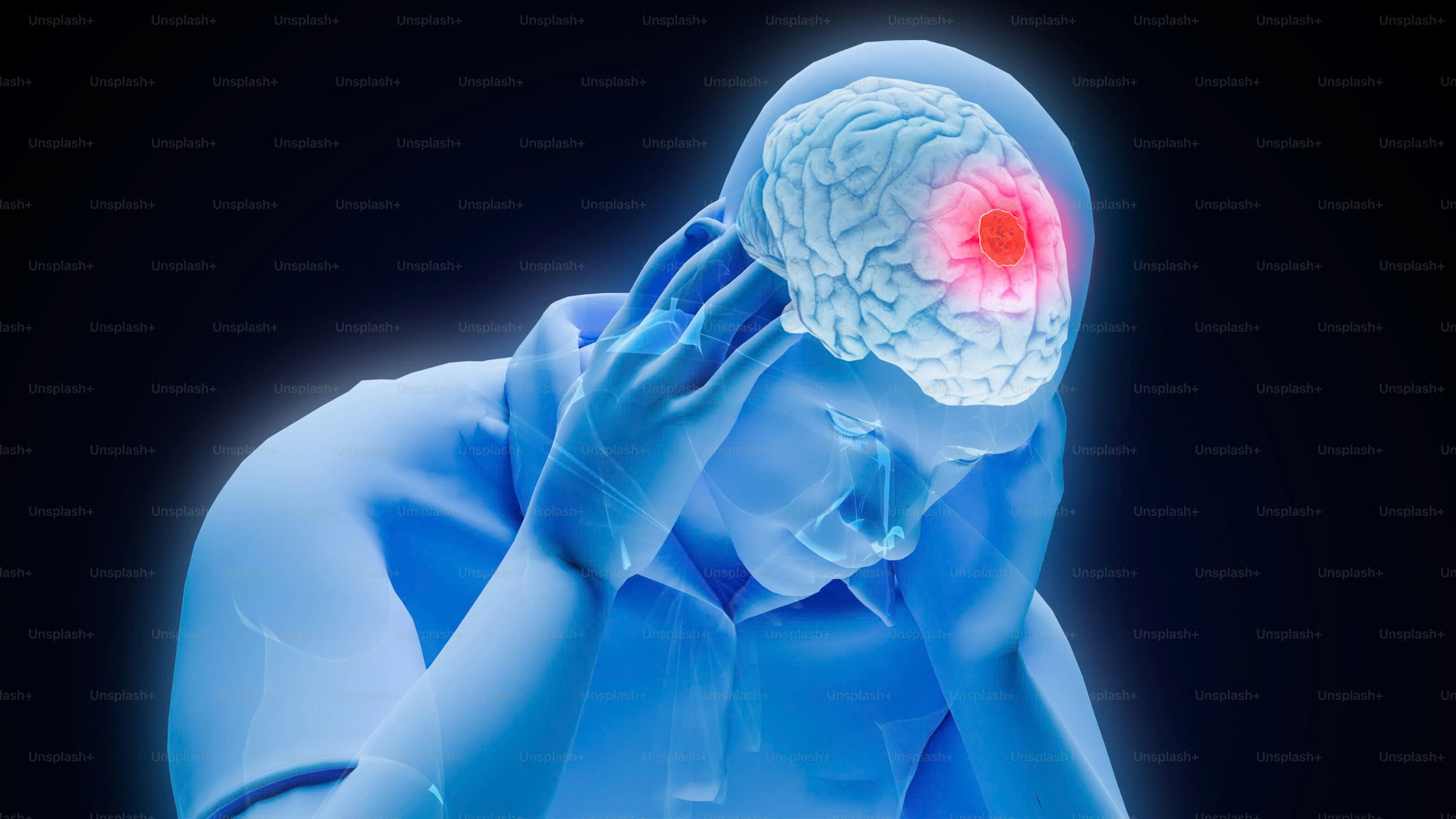
Why It Happens
Digestion requires increased blood flow to the stomach and intestines.
Intense Exercise Also Requires Blood Flow To
-
Muscles
-
Heart
-
Lungs
This temporary competition may contribute to:
-
Stomach cramps
-
Nausea
-
Bloating
-
Reduced exercise performance
Better Alternative
Choose light movement.
Examples Include
-
Gentle walking
-
Easy stretching
-
Casual movement around the house
Mistake #3: Overeating at Dinner
The evening meal often becomes the largest meal of the day.
Excessively Large Meals May Contribute To
-
Weight gain
-
Blood sugar fluctuations
-
Digestive discomfort
-
Poor sleep quality
Over time, these factors may negatively influence cardiovascular health.
Better Alternative
Focus on balanced portions.
Include
-
Vegetables
-
Lean protein
-
Whole grains
-
Healthy fats
4 Things to Avoid Before Bed
The hours before sleep are important for recovery and cardiovascular health.
Healthy bedtime habits support both the brain and heart.
Mistake #4: Using Electronic Screens Excessively
Modern life often involves significant screen exposure.
Common Devices Include
-
Smartphones
-
Tablets
-
Televisions
-
Computers
Why It Matters
Screen use can delay sleep by stimulating the brain and exposing the eyes to light.
Poor Sleep Has Been Linked To
-
High blood pressure
-
Weight gain
-
Metabolic problems
Sleep quality is increasingly recognized as a cardiovascular health factor.
Better Alternative
Reduce screen exposure before bedtime.
Consider
-
Reading
-
Meditation
-
Relaxation exercises
Mistake #5: Consuming Excessive Alcohol Late at Night
Alcohol can affect sleep architecture and overall health.
Although It May Cause Drowsiness Initially
It can interfere with:
-
Sleep quality
-
Sleep continuity
-
Overnight recovery
Long-term excessive alcohol consumption is associated with increased cardiovascular risk.
Better Alternative
Limit alcohol intake and avoid heavy drinking close to bedtime.
Mistake #6: Eating Heavy Late-Night Snacks
Late-night eating is common.
However, large snacks close to bedtime may affect:
Digestion
-
Reflux
-
Indigestion
Sleep Quality
-
Restlessness
-
Discomfort
Frequent nighttime overeating may also contribute to weight gain.
Better Alternative
If hungry, choose a light snack.
Examples Include
-
Fruit
-
Yogurt
-
Nuts
-
Whole-grain crackers
Mistake #7: Ignoring Sleep Schedules
Many people underestimate the importance of consistent sleep timing.
Irregular Sleep Patterns May Affect
-
Blood pressure regulation
-
Hormone balance
-
Metabolic health
Over time, poor sleep habits may contribute to cardiovascular risk factors.
Better Alternative
Maintain a regular bedtime and wake-up schedule whenever possible.
The Importance of Blood Pressure Control
High blood pressure is one of the strongest risk factors for stroke.
Healthy Lifestyle Habits Support
-
Blood vessel health
-
Circulation
-
Cardiovascular function
Routine monitoring is also important.
Additional Habits That Support Brain and Heart Health
Beyond meal timing and bedtime routines, several other lifestyle choices may help.
Stay Physically Active
Regular exercise supports:
-
Heart health
-
Weight management
-
Blood pressure control
Eat a Balanced Diet
Focus on:
-
Fruits
-
Vegetables
-
Whole grains
-
Fish
-
Lean proteins
Avoid Tobacco
Smoking damages blood vessels and increases stroke risk.
Manage Stress
Chronic stress can influence cardiovascular health.
Helpful Strategies Include
-
Meditation
-
Walking
-
Deep breathing
-
Social connection
Common Myths About Stroke Prevention
Myth 1: Stroke Only Affects Older Adults
Stroke can occur at various ages.
Myth 2: Healthy People Don't Need Prevention
Prevention benefits everyone.
Myth 3: One Healthy Habit Is Enough
Long-term health depends on multiple factors working together.
Myth 4: Sleep Doesn't Affect Stroke Risk
Research increasingly highlights the importance of sleep quality.
Warning Signs of Stroke
Even with healthy habits, recognizing symptoms remains critical.
Seek Emergency Help Immediately If You Notice
-
Facial drooping
-
Arm weakness
-
Speech difficulties
-
Sudden vision changes
-
Severe dizziness
-
Loss of balance
Prompt treatment can improve outcomes.
The Bigger Picture
Stroke prevention is not about perfection.
It Is About Consistency
Small improvements in daily habits can add up over months and years.
Healthy eating, regular movement, quality sleep, and stress management all contribute to a healthier cardiovascular system.
Final Thoughts
While no routine can completely eliminate stroke risk, healthy habits practiced after meals and before bedtime may support long-term brain and heart health. Avoiding immediate post-meal lying down, excessive dinner portions, and intense exercise after eating can improve digestion and comfort. Likewise, reducing screen time, limiting alcohol, avoiding heavy late-night snacks, and maintaining a consistent sleep schedule may contribute to better sleep and overall wellness.
The most effective approach to stroke prevention combines healthy lifestyle choices with regular medical care, blood pressure management, and attention to risk factors. Small changes made today can have a meaningful impact on health for years to come.