Your heart works continuously, beating tens of thousands of times every day to circulate blood and oxygen throughout your body. Because it is so essential, changes in how you feel can sometimes provide important clues about your cardiovascular health.
However, heart problems don't always begin with dramatic chest pain.
Some people experience more subtle symptoms, such as unusual fatigue, shortness of breath, dizziness, or swelling. These symptoms can have many causes, but when they are new, persistent, severe, or occur together, they deserve attention.
It is also important to understand that there is no reliable rule saying heart-attack symptoms always appear weeks or months beforehand. Some heart attacks happen suddenly, while others are preceded by warning symptoms. The safest approach is to recognize concerning symptoms and seek appropriate medical care rather than trying to predict exactly when a cardiac event will occur.
Here are seven heart-health warning signs everyone should know.
1. Chest Pressure, Tightness, or Discomfort
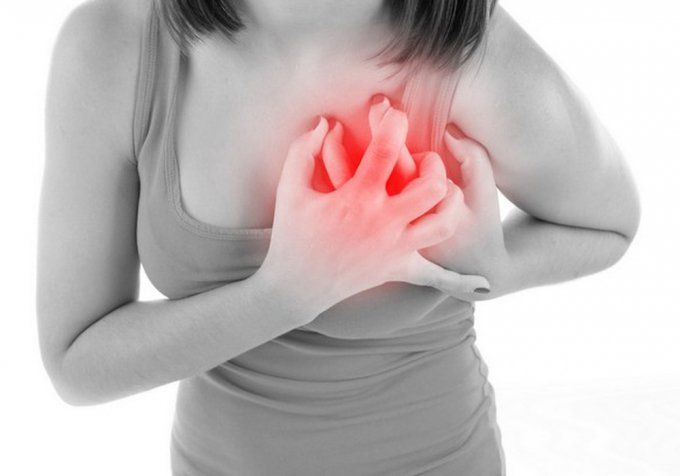
Chest discomfort is one of the best-known symptoms of a heart problem.
It may feel like:
-
Pressure
-
Tightness
-
Squeezing
-
Heaviness
-
Burning
-
Fullness
-
An uncomfortable sensation in the center or left side of the chest
Some people describe it as feeling as though something heavy is sitting on their chest.
Heart-related chest discomfort may occur during physical activity or emotional stress and improve with rest, although symptoms can also occur at rest.
Importantly, not all chest pain comes from the heart.
Acid reflux, muscle strain, anxiety, lung problems, and other conditions can cause similar sensations.
The difficulty is that it can be impossible to distinguish the cause based on symptoms alone.
When chest discomfort is an emergency
Seek emergency medical care if chest pressure or pain is:
-
New or severe
-
Persistent
-
Getting worse
-
Occurring with shortness of breath
-
Associated with sweating
-
Accompanied by nausea or vomiting
-
Associated with fainting or severe weakness
-
Spreading to the arm, shoulder, back, neck, or jaw
Don't drive yourself if you may be having a heart attack. Emergency medical services can begin evaluation and treatment on the way to the hospital.
2. Shortness of Breath
Feeling unusually short of breath can be another important cardiovascular warning sign.
You may notice that activities you previously handled easily now leave you unusually breathless.
For example:
Walking up a familiar flight of stairs suddenly feels much harder.
You become breathless after a short walk.
You need to stop frequently during activities that were previously comfortable.
Heart-related shortness of breath can occur because the heart isn't pumping blood effectively enough, causing pressure to build up in the lungs.
However, breathing difficulty can also result from:
-
Asthma
-
Lung infections
-
Anemia
-
Anxiety
-
Chronic lung disease
-
Blood clots
-
Poor physical conditioning
That's why unexplained or worsening shortness of breath deserves medical assessment.
An especially concerning pattern
Shortness of breath that occurs together with chest discomfort, sweating, dizziness, or sudden weakness should be treated seriously.
3. Unusual or Persistent Fatigue
Everyone gets tired.
But there is a difference between ordinary tiredness after a busy day and unexplained fatigue that feels unusual for you.
Some people with cardiovascular disease report feeling unusually exhausted, particularly during physical activity.
You might notice:
-
Normal chores suddenly feel difficult
-
You need more rest than usual
-
Walking feels unusually exhausting
-
You feel weak despite getting enough sleep
-
Your exercise tolerance has noticeably decreased
Fatigue isn't specific to heart disease.
It can also result from:
-
Poor sleep
-
Stress
-
Depression
-
Anemia
-
Thyroid disorders
-
Infections
-
Medication side effects
-
Nutritional deficiencies
But if fatigue is new, persistent, or accompanied by breathlessness or chest discomfort, it's worth discussing with a healthcare professional.
4. Dizziness, Lightheadedness, or Fainting
Feeling dizzy occasionally can happen for many harmless reasons.
But unexplained fainting or near-fainting deserves attention, particularly when it occurs during exercise or together with palpitations.
Certain heart rhythm abnormalities can cause the heart to beat too quickly, too slowly, or irregularly.
This can temporarily reduce blood flow to the brain.
Potential symptoms include:
-
Lightheadedness
-
Feeling as though you're about to pass out
-
Sudden weakness
-
Fainting
-
Confusion after an episode
Fainting can also be caused by dehydration, low blood pressure, medications, neurological conditions, and other problems.
Still, unexplained fainting should not simply be dismissed.
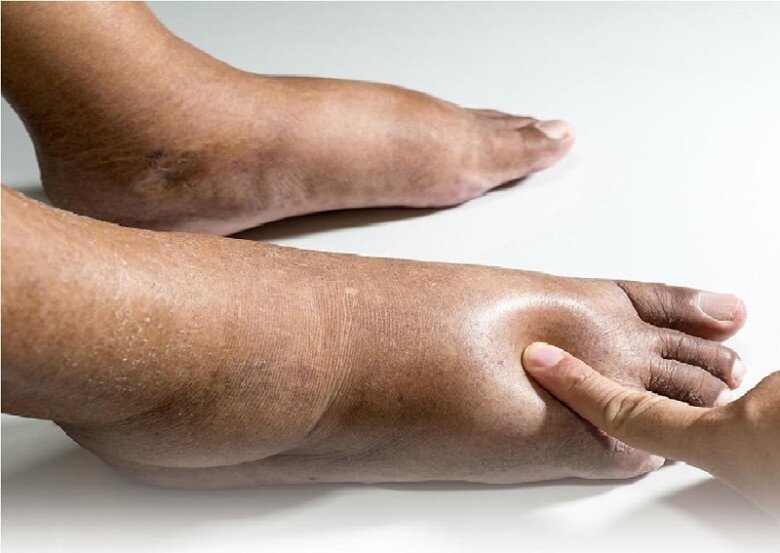
5. Swelling in the Legs, Ankles, or Feet
Swelling of the lower legs and ankles is called edema.
It occurs when fluid accumulates in body tissues.
Heart problems can sometimes contribute to edema because reduced cardiac pumping efficiency can cause fluid to accumulate.
You may notice:
-
Tight shoes at the end of the day
-
Sock marks around the ankles
-
Swollen feet
-
Swelling that worsens after standing
-
Rapid weight gain from fluid retention
But swollen legs aren't automatically a sign of heart disease.
Other causes include:
-
Kidney disease
-
Liver disease
-
Venous insufficiency
-
Certain medications
-
Prolonged sitting
-
Pregnancy
New or unexplained swelling should be evaluated, particularly if accompanied by shortness of breath or rapid weight gain.

6. A Racing, Fluttering, or Irregular Heartbeat
Your heart normally beats in a regular rhythm, although the rate naturally changes with exercise, stress, sleep, and other circumstances.
Sometimes people feel their heartbeat as:
-
Racing
-
Pounding
-
Fluttering
-
Skipping
-
Thumping
-
Beating irregularly
This sensation is known as palpitations.
Palpitations can occur after:
-
Exercise
-
Caffeine
-
Stress
-
Anxiety
-
Lack of sleep
They can also occur with certain heart rhythm disorders, including atrial fibrillation and other arrhythmias.
When should you worry?
Seek medical attention if palpitations are:
-
New
-
Persistent
-
Very rapid
-
Associated with chest pain
-
Associated with shortness of breath
-
Accompanied by dizziness or fainting
A healthcare professional may use an ECG or a portable heart monitor to determine whether an abnormal rhythm is present.
7. Pain or Discomfort That Spreads Beyond the Chest
Heart-related discomfort doesn't always stay in the chest.
It can sometimes spread to:
-
One or both arms
-
Shoulders
-
Back
-
Neck
-
Jaw
-
Upper abdomen
This is particularly important because some people may not experience classic, severe chest pain.
For example, someone may experience unexplained pressure in the upper back or jaw along with shortness of breath and nausea.
Women, older adults, and people with diabetes may be more likely to experience less typical symptoms during a heart attack.
That doesn't mean every episode of jaw or back pain is cardiac.
It means that new, unexplained discomfort occurring with other warning signs should not be ignored.
Why Heart Symptoms Can Be Different From Person to Person
Heart disease doesn't look exactly the same in everyone.
Symptoms can vary according to:
-
Age
-
Sex
-
Underlying medical conditions
-
Type of heart problem
-
Severity
-
Individual physiology
A person experiencing a heart attack may have severe chest pressure.
Another person may primarily experience shortness of breath, sweating, nausea, or unusual weakness.
This is why knowing several warning signs is more useful than memorizing a single symptom.
Heart Attack Symptoms Can Be Subtle
A heart attack occurs when blood flow to part of the heart muscle becomes severely restricted or blocked.
The classic symptoms include:
Chest pressure or discomfort
Shortness of breath
Cold sweating
Nausea or vomiting
Pain or discomfort in the arm, shoulder, back, neck, or jaw
Sudden weakness or lightheadedness
Symptoms can vary substantially.
Some heart attacks are sudden and dramatic.
Others begin with mild or intermittent symptoms.
There is no reliable countdown period that tells you a heart attack will occur a certain number of weeks or months after symptoms begin.
That's why persistent or new symptoms should be assessed rather than used to predict a future event.
Women May Experience Different Symptoms
Heart disease is the leading cause of death for women in many countries, yet symptoms can sometimes be overlooked because they don't match the stereotypical image of a heart attack.
Women may experience:
-
Shortness of breath
-
Unusual fatigue
-
Nausea
-
Back or jaw discomfort
-
Dizziness
-
Chest discomfort
-
Sweating
These symptoms can occur in men as well.
The important lesson is that heart disease isn't exclusively a "man's problem."
Women should take new or unexplained cardiovascular symptoms seriously.
Diabetes Can Make Symptoms Harder to Recognize
People with diabetes may experience nerve damage that affects how pain is perceived.
As a result, some people with diabetes may have less obvious symptoms during a heart attack.
This is sometimes referred to as a silent heart attack.
People with diabetes should therefore pay close attention to changes such as:
-
Unexplained breathlessness
-
Sudden fatigue
-
Reduced exercise tolerance
-
Sweating
-
Weakness
-
Unusual chest discomfort
Regular cardiovascular risk assessment is particularly important for people with diabetes.
High Blood Pressure Can Be a Silent Risk
One of the biggest problems with hypertension is that it often causes no obvious symptoms.
You can have high blood pressure while feeling completely normal.
Over time, uncontrolled hypertension can damage blood vessels and increase the risk of:
-
Heart attack
-
Stroke
-
Heart failure
-
Kidney disease
This is why checking your blood pressure regularly can be more useful than waiting for symptoms.
High Cholesterol Can Also Be Silent
High LDL cholesterol typically doesn't cause noticeable symptoms.
But over time, cholesterol-containing deposits can contribute to atherosclerosis, the buildup of plaque inside arteries.
As plaque accumulates, arteries can become narrower or unstable.
This increases the risk of cardiovascular events.
A blood test is needed to identify high cholesterol.
Smoking and Heart Health
Smoking is one of the most important modifiable cardiovascular risk factors.
Tobacco smoke can:
-
Damage blood vessels
-
Promote inflammation
-
Increase clotting tendency
-
Reduce oxygen delivery
-
Accelerate atherosclerosis
If you smoke, quitting can significantly improve cardiovascular health.
It is never too late to benefit from stopping.
Diabetes and Heart Disease
High blood glucose can damage blood vessels and contribute to atherosclerosis.
People with diabetes are at increased risk of cardiovascular disease.
Important strategies include:
-
Monitoring blood glucose
-
Following prescribed medication
-
Eating a balanced diet
-
Exercising regularly
-
Managing blood pressure
-
Managing cholesterol
-
Avoiding tobacco
Heart health and metabolic health are closely connected.
Excess Weight Can Increase Cardiovascular Risk
Excess body weight can increase the likelihood of:
-
High blood pressure
-
Type 2 diabetes
-
High cholesterol
-
Sleep apnea
-
Cardiovascular disease
You don't need extreme diets to improve cardiovascular health.
Even gradual improvements in:
Physical activity + diet quality + sleep + weight management
can be meaningful.
How Exercise Helps Your Heart
Regular physical activity strengthens cardiovascular fitness and can help improve:
-
Blood pressure
-
Cholesterol
-
Insulin sensitivity
-
Weight management
-
Stress
-
Exercise capacity
For many adults, a combination of aerobic exercise and strength training is beneficial.
However, if you experience chest pain, unexplained fainting, or significant shortness of breath during exercise, stop and seek medical evaluation rather than pushing through the symptoms.
What Should a Heart-Healthy Diet Look Like?
You don't need a complicated meal plan.
Focus on:
Vegetables
Aim for variety and different colors.
Fruits
Choose whole fruit more often than sugary fruit drinks.
Whole Grains
Examples include oats, brown rice, and whole-grain bread.
Healthy Protein
Fish, beans, lentils, poultry, and other minimally processed sources can fit into a heart-healthy diet.
Healthy Fats
Nuts, seeds, olive oil, and fatty fish provide unsaturated fats.
At the same time, limit excessive:
-
Sodium
-
Added sugars
-
Processed meats
-
Highly processed foods
-
Saturated fats
Sleep Matters More Than Many People Realize
Poor sleep is associated with several cardiovascular risk factors.
Chronic sleep deprivation can affect:
-
Blood pressure
-
Blood glucose
-
Appetite regulation
-
Weight
-
Stress hormones
Adults generally benefit from maintaining a consistent sleep schedule and getting adequate sleep.
If you regularly snore loudly, gasp during sleep, or remain exhausted despite sufficient time in bed, discuss the possibility of sleep apnea with a healthcare professional.
Stress and Heart Health
Stress itself isn't always harmful.
Short-term stress is a normal physiological response.
The concern is chronic, unmanaged stress, particularly when it contributes to:
-
Poor sleep
-
Smoking
-
Excessive alcohol use
-
Emotional eating
-
Physical inactivity
Healthy coping strategies can include:
-
Exercise
-
Social connection
-
Relaxation techniques
-
Time outdoors
-
Hobbies
-
Professional mental-health support when needed
When Should You Seek Emergency Care?
This is one of the most important sections.
Do not wait for symptoms to become unbearable if you suspect a heart attack.
Seek emergency medical help if you develop new or persistent:
-
Chest pressure or squeezing
-
Shortness of breath
-
Cold sweating
-
Severe weakness
-
Fainting
-
Nausea with chest discomfort
-
Pain spreading to the arm, back, neck, or jaw
Symptoms can be mild, especially at first.
Don't assume that you need to "wait and see."
What You Should NOT Do During a Suspected Heart Attack
If you think you or someone else may be having a heart attack:
Stop physical activity and rest.
Call emergency medical services immediately.
Do not drive yourself to the hospital if emergency services are available.
If aspirin is being considered, follow the instructions of emergency medical professionals or local emergency guidance, because aspirin isn't appropriate for everyone.
Do not take someone else's heart medication.
Do not wait for symptoms to disappear if they are concerning.
Seven Warning Signs at a Glance
1. Chest pressure or discomfort
Especially when new, persistent, or associated with other symptoms.
2. Unexplained shortness of breath
Particularly when it is new or worsening.
3. Unusual fatigue
Especially a sudden decline in your normal exercise tolerance.
4. Dizziness or fainting
Particularly during exertion or with palpitations.
5. Swelling in the legs or ankles
Especially when new or accompanied by breathing problems.
6. Racing or irregular heartbeat
Particularly when persistent or associated with dizziness.
7. Discomfort spreading to the arm, back, neck, or jaw
Especially when accompanied by chest discomfort or shortness of breath.
The Bottom Line
Heart problems don't always announce themselves with dramatic chest pain.
Chest discomfort, shortness of breath, unusual fatigue, dizziness, swelling, palpitations, and pain spreading beyond the chest can all be important symptoms depending on the circumstances.
But these symptoms aren't specific to heart disease. Many other conditions can cause them.
What matters is the pattern.
A new symptom that is severe, persistent, worsening, or accompanied by multiple warning signs deserves prompt medical attention.
And remember: you don't have to wait for symptoms to protect your heart.
Regular blood-pressure checks, cholesterol testing, diabetes screening when appropriate, physical activity, a balanced diet, adequate sleep, avoiding tobacco, and routine medical care can all reduce cardiovascular risk.
Final Thought
Your heart doesn't always give you a dramatic warning before something goes wrong.
Sometimes the earliest clue is simply that something feels different from your normal.
Don't panic over every episode of fatigue or every skipped heartbeat—but don't routinely dismiss persistent or unexplained changes either.
Know the warning signs. Know your risk factors. And when symptoms suggest a possible heart attack, seek emergency medical care immediately.