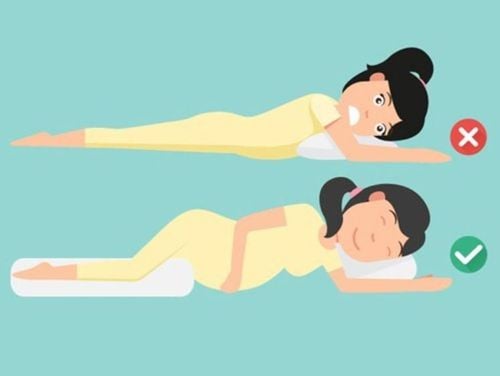
Sleeping is not just about how long you rest—it is also about how you position your body. Surprisingly, the way you sleep can significantly affect digestion, heart health, brain function, and even chronic pain. Among all sleep positions, side sleeping is widely considered one of the healthiest for most people.
A small adjustment in sleeping posture may lead to noticeable improvements in how your body feels each day.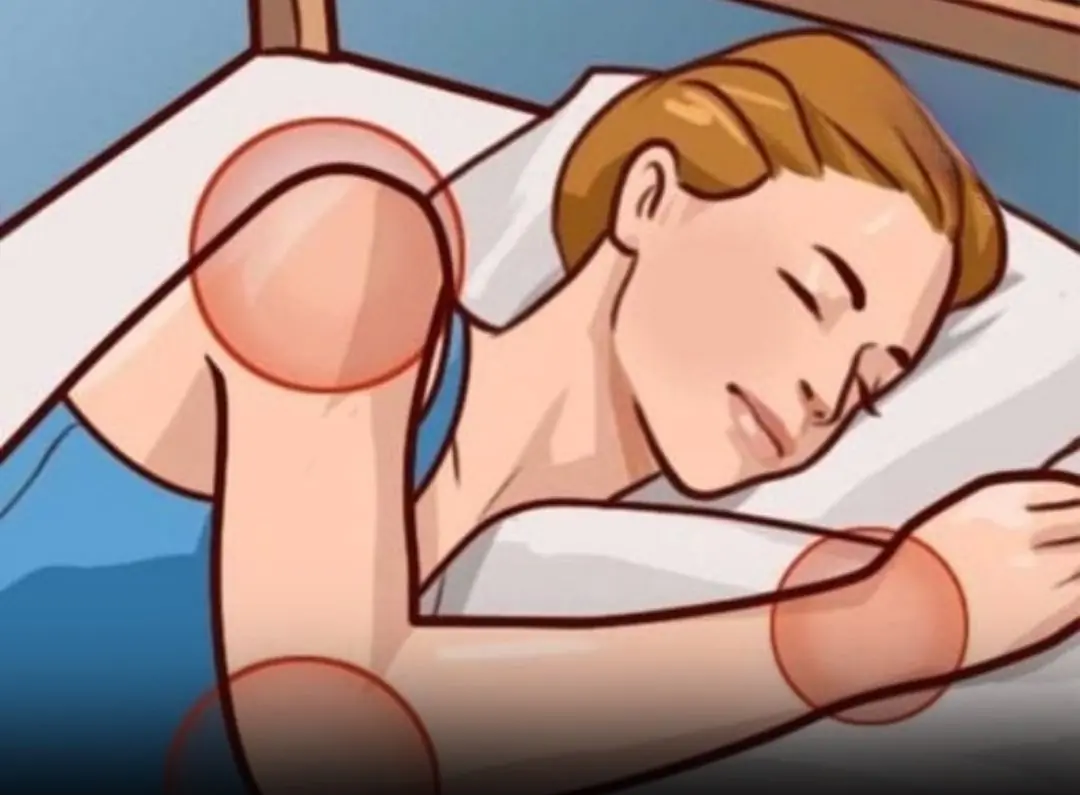
Why Sleep Position Matters More Than You Think
During sleep, your body performs critical repair processes:
-
Toxin removal from the brain
-
Muscle recovery
-
Hormonal regulation
-
Cardiovascular stabilization
Poor sleep posture can interfere with these processes, leading to discomfort, fatigue, or long-term health issues.
The Benefits of Sleeping on Your Side
1. Improves Digestion and Reduces Acid Reflux
Side sleeping, especially on the left side, helps gravity keep stomach acid where it belongs.
Benefits include:
-
Less heartburn at night
-
Reduced acid reflux symptoms
-
Better digestion overall
This position is often recommended for people with GERD or frequent indigestion.
2. Supports Heart Health and Circulation
Sleeping on your side may reduce pressure on the heart.
-
Improves blood flow
-
Helps the heart pump more efficiently
-
Reduces strain on major blood vessels
For individuals with cardiovascular concerns, side sleeping can offer gentle support during rest.
3. Helps the Brain Remove Waste More Efficiently
Research suggests that side sleeping may support the brain’s glymphatic system, which removes waste products during sleep.
This may help:
-
Improve mental clarity
-
Support long-term brain health
-
Reduce toxin buildup
While not a cure for neurological disease, healthy sleep posture contributes to brain maintenance.
4. Reduces Snoring and Sleep Apnea Symptoms
Back sleeping often causes the tongue and soft tissues to block the airway.
Side sleeping:
-
Keeps airways more open
-
Reduces snoring
-
May ease mild sleep apnea symptoms
Many doctors recommend side sleeping as a first step for improving nighttime breathing.
5. Eases Lower Back and Neck Pain
When done correctly, side sleeping can reduce spinal pressure.
Key advantages:
-
Keeps the spine more naturally aligned
-
Reduces lower back tension
-
Decreases neck strain
Using a supportive pillow between the knees can enhance these benefits.
The Best Side to Sleep On
Not all side sleeping positions offer the same benefits.
Left-Side Sleeping
-
Best for digestion
-
Supports heart health
-
Recommended during pregnancy
Right-Side Sleeping
-
May reduce pressure on the lungs
-
Can be comfortable for some people
-
Less ideal for acid reflux
For most people, left-side sleeping provides the greatest overall benefit.
Common Mistakes When Sleeping on Your Side
Side sleeping is beneficial, but poor technique can cause problems.
Avoid:
-
Curling into a tight fetal position
-
Using a pillow that is too high or too flat
-
Letting shoulders collapse forward
-
Sleeping without knee support
Improper posture may lead to shoulder pain, hip discomfort, or numbness.
How to Optimize Side Sleeping
Doctors and sleep specialists recommend:
✔ Proper Pillow Support
-
Use a pillow that keeps the neck aligned with the spine
-
Avoid pillows that push the head too far forward
✔ Knee Pillow
-
Place a pillow between the knees
-
Reduces hip and lower back strain
✔ Neutral Spine Alignment
-
Keep ears, shoulders, and hips in a straight line
-
Avoid twisting the torso
These small adjustments can dramatically improve comfort and sleep quality.
Who Should Be Cautious With Side Sleeping
While side sleeping suits most people, some may need adjustments:
-
Those with shoulder injuries
-
People with hip joint problems
-
Individuals experiencing arm numbness
In these cases, alternating sides or consulting a healthcare provider is recommended.
Sleep Position Is Not a Cure—But It Helps
It is important to be realistic.
Side sleeping:
-
Does not cure disease
-
Does not replace medical treatment
-
Does not fix poor sleep habits alone
However, it supports the body’s natural systems and reduces unnecessary strain during rest.
Final Thoughts
Sleep is one of the most powerful tools for maintaining health—and sleep position plays a bigger role than many realize. Side sleeping, especially on the left side, offers benefits for digestion, breathing, heart health, and spinal alignment.
One simple change in how you sleep can improve how you feel every day.
If you wake up sore, tired, or uncomfortable, your sleep position may be the first place to start. Sometimes, better health begins with something as simple as turning to your side.