Most people think bed bugs are just a minor household annoyance - tiny insects that leave a few itchy bites before disappearing into the mattress. But for many victims, the reality can become far more serious. Bed bug infestations can affect not only the skin, but also sleep quality, emotional well-being, mental health, and overall quality of life.
These small nocturnal insects feed on human blood while people sleep. Because they hide during the day and multiply quickly, infestations often grow silently until symptoms become impossible to ignore.
While bed bugs are not known to spread diseases the way mosquitoes or ticks do, their bites and the stress associated with infestations can still create significant physical and psychological consequences.
Here’s what can happen to your skin and health after repeated bed bug bites and why early detection matters.
What Are Bed Bugs?
Bed bugs are small parasitic insects that survive by feeding on blood.
They are usually:
- Reddish-brown
- Flat and oval-shaped
- Active mostly at night
- Excellent at hiding in small spaces
Common hiding spots include:
- Mattresses
- Pillow seams
- Bed frames
- Furniture cracks
- Curtains
- Carpets
- Clothing and luggage
Because they hide so effectively, many people do not realize they have an infestation until bite marks start appearing repeatedly.
1. Intense Itching and Skin Irritation
The most common reaction to bed bug bites is severe itching.
Bed bugs inject saliva into the skin while feeding, and the body reacts to proteins in that saliva.
This may cause:
- Red bumps
- Swelling
- Burning sensations
- Skin irritation
- Inflamed welts
For some individuals, the itching becomes extremely uncomfortable and may interfere with sleep and daily activities.
Repeated scratching can further damage the skin.
2. Clusters of Painful Bite Marks
Unlike many other insects, bed bugs often bite several times in a row.
This creates:
- Bite clusters
- Straight lines of bites
- Groups of swollen bumps
The bites commonly appear on exposed skin areas such as:
- Arms
- Legs
- Neck
- Shoulders
- Back
Some people develop only small spots, while others experience large swollen reactions.
3. Severe Allergic Reactions
Not everyone reacts the same way to bed bug bites.
Some people develop:
- Large inflamed welts
- Blisters
- Painful swelling
- Intense redness
In more sensitive individuals, allergic reactions may become severe enough to require medical attention.
Rarely, people may experience:
- Difficulty breathing
- Dizziness
- Widespread swelling
These symptoms require immediate medical care.
4. Skin Infections From Scratching
Constant scratching can break the skin and allow bacteria to enter.
This may lead to:
- Open sores
- Scabbing
- Skin infections
- Increased inflammation
In severe cases, infections may require antibiotics or medical treatment.
Children are especially vulnerable because they may scratch bites aggressively during sleep.
5. Sleep Problems and Exhaustion
One of the most serious effects of bed bugs is chronic sleep disruption.
Victims often:
- Wake up repeatedly
- Feel anxious before bedtime
- Have trouble relaxing
- Sleep poorly due to itching
Over time, sleep deprivation may contribute to:
- Fatigue
- Difficulty concentrating
- Mood swings
- Weakened immunity
- Reduced productivity
Some people become afraid to sleep altogether because they anticipate being bitten.
6. Anxiety and Emotional Stress
Bed bug infestations can create enormous psychological stress.
Many people experience:
- Anxiety
- Embarrassment
- Panic
- Obsessive cleaning
- Social isolation
Even after extermination, some individuals continue experiencing:
- Phantom itching
- Fear of reinfestation
- Sleep anxiety
The emotional impact can sometimes last longer than the physical bites themselves.
7. Dark Spots and Skin Scarring
Repeated bites and scratching may leave:
- Hyperpigmentation
- Dark marks
- Scars
- Uneven skin texture
People with sensitive skin may develop lingering discoloration that lasts for weeks or months.
Severe reactions increase the likelihood of visible skin changes.
8. Bed Bugs Can Spread Rapidly
One major problem with bed bugs is how easily they spread.
They may travel through:
- Luggage
- Clothing
- Used furniture
- Public transportation
- Hotels and apartments
A few insects can quickly become a major infestation if not treated early.
Importantly, bed bugs are not necessarily caused by poor hygiene. Even clean homes can become infested.
9. Some People Show No Immediate Reaction
Interestingly, some individuals may not react visibly to bites at first.
This allows infestations to continue unnoticed.
Signs of hidden infestations may include:
- Blood spots on sheets
- Tiny black stains
- Shed insect skins
- Musty odors near bedding
By the time visible symptoms appear, the infestation may already be widespread.
How to Tell If It’s Really Bed Bugs
Bed bug bites can resemble:
- Mosquito bites
- Flea bites
- Allergic rashes
- Skin irritation
However, bed bug bites often:
- Appear overnight
- Occur in lines or clusters
- Affect exposed areas
- Return repeatedly
Professional pest inspection may be necessary to confirm infestation.
How to Protect Yourself
Inspect Bedding Carefully
Check mattress seams and bed frames regularly.
Wash Bedding in Hot Water
High heat may help kill bed bugs and eggs.
Be Careful With Used Furniture
Inspect secondhand items thoroughly before bringing them indoors.
Check Hotel Rooms
Travel is one of the most common ways bed bugs spread.
Reduce Clutter
Clutter creates more hiding places for insects.
Getting Rid of Bed Bugs
Severe infestations often require professional extermination.
Treatment may include:
- Heat treatment
- Vacuuming
- Mattress encasements
- Insecticide application
- Deep cleaning
Because bed bugs hide extremely well, complete removal may take time and persistence.
When to Seek Medical Attention
Medical care may be needed if:
- Swelling becomes severe
- Infection develops
- Fever occurs
- Allergic reactions worsen
- Breathing problems appear
Persistent skin irritation should also be evaluated professionally.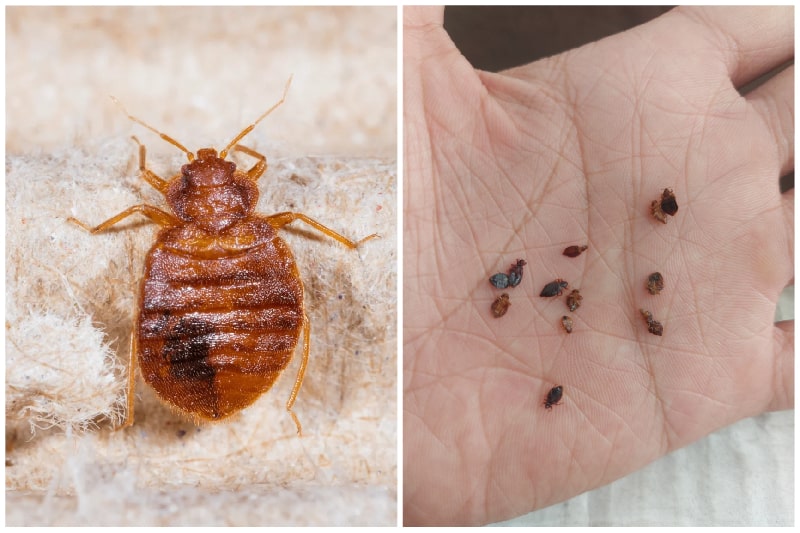
Final Thoughts
Bed bug bites may begin as small itchy bumps, but the consequences can extend far beyond the skin. Severe itching, infections, sleep deprivation, emotional stress, anxiety, and long-term discomfort are all possible when infestations are left untreated.
The good news is that early detection and proper treatment can help stop infestations before they become overwhelming.
Understanding the signs early may protect not only your skin, but also your sleep, mental health, and overall well-being.
Sometimes the smallest hidden pests can quietly create some of the biggest disruptions in everyday life.