High blood sugar, medically known as hyperglycemia, can develop gradually. In some people, blood glucose rises without causing obvious symptoms at first. Others may notice small changes but attribute them to stress, poor sleep, aging, dehydration, or simply being busy.
That is one reason high blood sugar can go unnoticed.
When glucose remains elevated for a long time, however, it can affect blood vessels, nerves, kidneys, eyes, and other organs. Recognizing potential warning signs can encourage people to get their blood sugar checked before complications become more serious.
Importantly, these symptoms do not prove that someone has diabetes. Many have other possible causes. The only way to know whether blood sugar is elevated is through appropriate blood glucose testing.
Here are some warning signs worth paying attention to.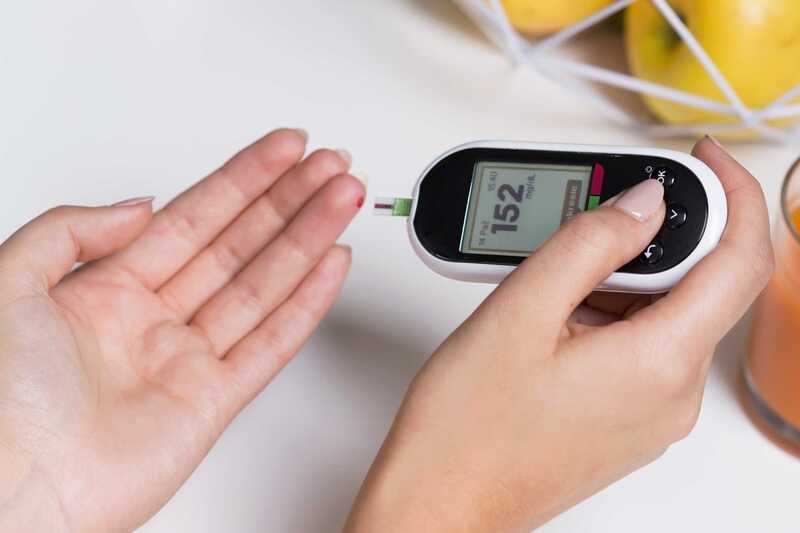
1. Feeling Extremely Thirsty
One of the classic signs of high blood sugar is increased thirst.
When glucose levels become too high, the kidneys try to remove some of the excess glucose through urine. This can cause the body to lose additional water.
As a result, you may feel unusually thirsty and find yourself drinking much more than usual.
You might notice that:
-
Your mouth feels dry frequently
-
You constantly want water
-
You wake up thirsty at night
-
Your thirst seems difficult to satisfy
Persistent excessive thirst should not automatically be blamed on hot weather or exercise, especially when it occurs together with frequent urination.
2. Frequent Urination
Excessive urination, known as polyuria, is another classic sign of elevated blood glucose.
When there is more glucose in the bloodstream than the kidneys can efficiently reabsorb, glucose begins to enter the urine. Water follows the glucose, increasing urine production.
You may notice that you:
-
Urinate much more frequently
-
Wake up several times at night to urinate
-
Produce unusually large amounts of urine
-
Need to use the bathroom shortly after drinking
Occasional nighttime urination can be normal, particularly as people get older. But a new and persistent change deserves attention.
3. Unusual Fatigue
Feeling tired after a long day is normal.
Persistent fatigue is different.
When blood glucose is elevated, glucose may be abundant in the bloodstream but not effectively entering cells for energy, depending on the underlying problem with insulin production or insulin action.
The result can be a feeling of low energy, weakness, or exhaustion.
You may find ordinary tasks more difficult than usual or feel tired despite getting what seems like adequate sleep.
Fatigue has many possible causes, including anemia, thyroid problems, infections, sleep disorders, stress, depression, and nutritional deficiencies.
But if persistent fatigue occurs alongside increased thirst and urination, blood glucose testing is worth considering.
4. Blurred Vision
High blood sugar can temporarily affect the fluid balance and structures within the eye, leading to blurred or fluctuating vision.
Some people notice that their vision becomes blurry and later improves as glucose levels change.
Persistent high blood sugar over time can also damage the blood vessels of the retina, contributing to diabetic retinopathy.
This is one reason regular eye examinations are important for people with diabetes.
If you develop sudden vision loss, a sudden increase in floaters, flashes of light, or a curtain-like shadow across your vision, seek urgent medical attention.
Those symptoms can indicate a separate eye emergency.
5. Slow-Healing Cuts and Wounds
High blood sugar can interfere with several processes involved in healing.
Persistently elevated glucose can affect circulation and immune function, potentially making it harder for the body to fight infections and repair damaged tissue.
You might notice that a small cut, blister, or scrape seems to take unusually long to heal.
This becomes particularly important when wounds occur on the feet.
People with diabetes can develop reduced sensation and circulation problems, making foot injuries easier to overlook.
Any wound that becomes increasingly red, swollen, painful, warm, or produces pus should be evaluated promptly.
6. Frequent Infections
People with poorly controlled diabetes may be more susceptible to certain infections.
High blood glucose can interfere with immune function and create conditions that allow some microorganisms to thrive.
Some people experience recurring:
-
Urinary tract infections
-
Skin infections
-
Fungal infections
-
Yeast infections
-
Gum infections
A single infection does not mean your blood sugar is high.
But repeated or unusually difficult-to-treat infections may be a reason to discuss blood glucose testing with a healthcare professional.
7. Increased Hunger
Some people with elevated blood sugar experience increased hunger, even after eating.
This can happen when glucose is not being used effectively by cells for energy.
The body may interpret the situation as an energy shortage and trigger hunger signals.
You might find yourself:
-
Eating more than usual
-
Feeling hungry shortly after meals
-
Craving carbohydrates or sweets
-
Struggling to feel satisfied
Increased appetite can also result from inadequate sleep, stress, certain medications, hormonal changes, or other metabolic conditions.
Again, the symptom is more meaningful when it appears alongside other warning signs.
8. Unexplained Weight Loss
Although some people with insulin resistance may gain weight, unintentional weight loss can occur when blood sugar becomes severely elevated, particularly when insulin deficiency is significant.
When glucose cannot be properly used for energy, the body may begin breaking down stored fat and muscle.
This can lead to weight loss despite eating normally—or even eating more than usual.
Unexplained weight loss should always be investigated.
It can occur with diabetes, thyroid disorders, digestive diseases, infections, cancer, and many other conditions.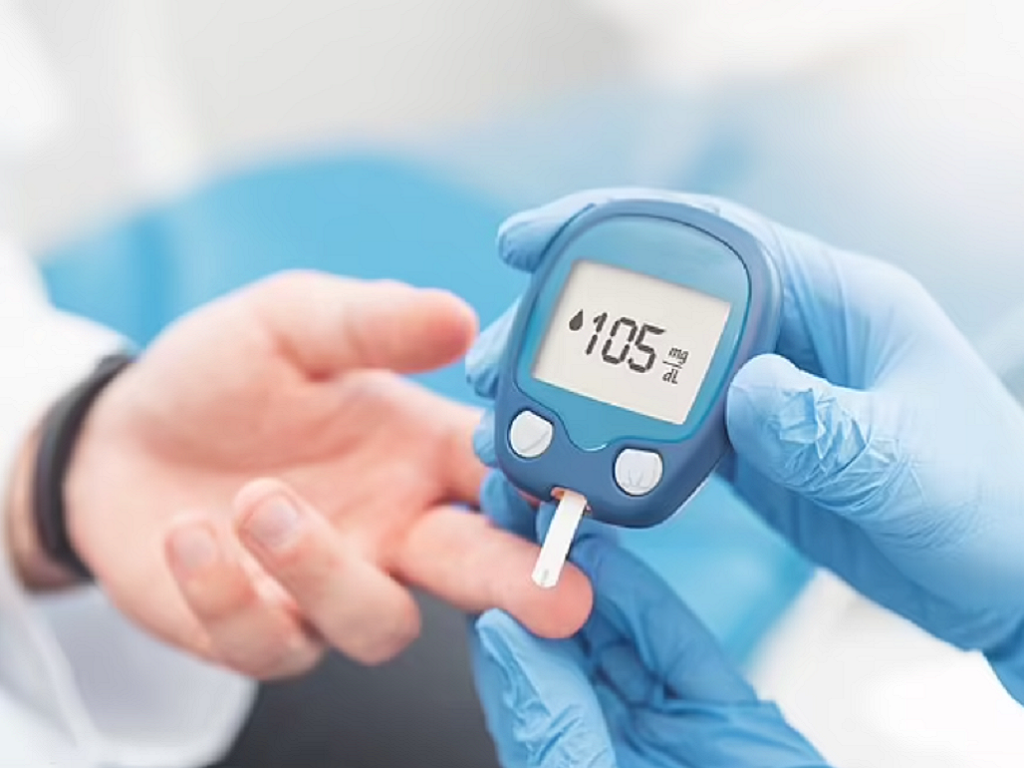
9. Tingling or Numbness in the Hands and Feet
Persistently elevated blood sugar can damage nerves over time.
This condition is known as diabetic peripheral neuropathy.
Early symptoms may include:
-
Tingling
-
Burning
-
Pins-and-needles sensations
-
Numbness
-
Increased sensitivity
-
Reduced ability to feel temperature or pain
These sensations often begin in the feet and may gradually move upward.
Not every case of tingling is caused by diabetes. Vitamin deficiencies, nerve compression, alcohol use, certain medications, and other neurological conditions can cause similar symptoms.
But persistent unexplained numbness deserves medical evaluation.
10. Dry or Itchy Skin
High blood sugar can contribute indirectly to dry or itchy skin.
Frequent urination can cause fluid loss and dehydration, while changes in circulation and nerve function can also contribute to skin problems.
Some people with diabetes also develop specific skin conditions associated with insulin resistance or elevated glucose.
However, itchy skin has an enormous number of possible causes, including allergies, eczema, dry weather, medications, liver disease, kidney disease, and infections.
It should therefore be considered alongside other symptoms rather than treated as proof of high blood sugar.
11. Headaches and Difficulty Concentrating
Changes in blood glucose can sometimes affect how a person feels mentally.
Some people report:
-
Headaches
-
Difficulty concentrating
-
Feeling mentally sluggish
-
Irritability
-
Trouble staying focused
These symptoms are nonspecific and can be caused by sleep deprivation, dehydration, stress, migraines, medication effects, and many other conditions.
If they repeatedly occur alongside thirst, frequent urination, fatigue, or other metabolic symptoms, checking blood glucose may be worthwhile.
What Happens When Blood Sugar Stays High?
The immediate symptoms of hyperglycemia are only part of the story.
Persistently elevated blood glucose can gradually damage small and large blood vessels.
Over time, this can affect:
The eyes, increasing the risk of diabetic retinopathy and vision loss.
The kidneys, increasing the risk of chronic kidney disease.
The nerves, causing neuropathy and loss of sensation.
The heart and blood vessels, increasing the risk of cardiovascular disease and stroke.
The feet, particularly when nerve damage and poor circulation occur together.
This is why controlling blood sugar is about much more than avoiding a few uncomfortable symptoms.
Not Everyone Has Obvious Symptoms
One of the biggest misconceptions about diabetes is that a person will always know when their blood sugar is high.
That's not true.
Some people with type 2 diabetes can have few or no noticeable symptoms for years.
The body may gradually adapt to elevated glucose levels, allowing the condition to remain unnoticed.
That is why screening can be important for people who have risk factors, even when they feel completely healthy.
Who Should Consider Blood Sugar Testing?
Risk factors for type 2 diabetes can include:
-
Overweight or obesity
-
Family history of type 2 diabetes
-
High blood pressure
-
Physical inactivity
-
Abnormal cholesterol or triglyceride levels
-
History of gestational diabetes
-
Increasing age
-
Certain ethnic or genetic risk factors
The appropriate screening schedule depends on individual risk and local medical guidelines.
A healthcare professional can determine which tests are appropriate.
How Is High Blood Sugar Diagnosed?
Symptoms alone cannot diagnose diabetes.
Healthcare professionals may use tests such as:
Fasting Blood Glucose
This measures blood glucose after a period without eating.
HbA1c
The A1C test provides an estimate of average blood glucose over approximately the previous two to three months.
It is particularly useful because it does not require a person to be fasting.
Oral Glucose Tolerance Test
This test measures how the body responds to a standardized glucose load over time.
The exact testing strategy depends on the person's circumstances.
What About Home Glucose Meters?
A home glucose meter can provide useful information, particularly for people who have already been diagnosed with diabetes.
However, a single home reading should not be used to diagnose diabetes.
If you repeatedly obtain unusually high readings, discuss them with a healthcare professional and have appropriate laboratory testing performed.
When High Blood Sugar Becomes an Emergency
Mild or moderate hyperglycemia is not always an immediate emergency.
But very high blood glucose accompanied by serious symptoms can be life-threatening.
People with diabetes, particularly those with insulin deficiency, can develop diabetic ketoacidosis (DKA).
Warning signs can include:
-
Severe nausea or vomiting
-
Abdominal pain
-
Deep or rapid breathing
-
Fruity-smelling breath
-
Severe dehydration
-
Confusion
-
Extreme weakness
-
Difficulty staying awake
DKA requires urgent medical treatment.
Another serious condition called hyperosmolar hyperglycemic state (HHS) can occur with extremely high blood glucose and severe dehydration, particularly in people with type 2 diabetes.
Symptoms may include profound thirst, frequent urination, weakness, confusion, and altered consciousness.
If someone with diabetes develops severe symptoms or a significant change in mental status, seek emergency medical care.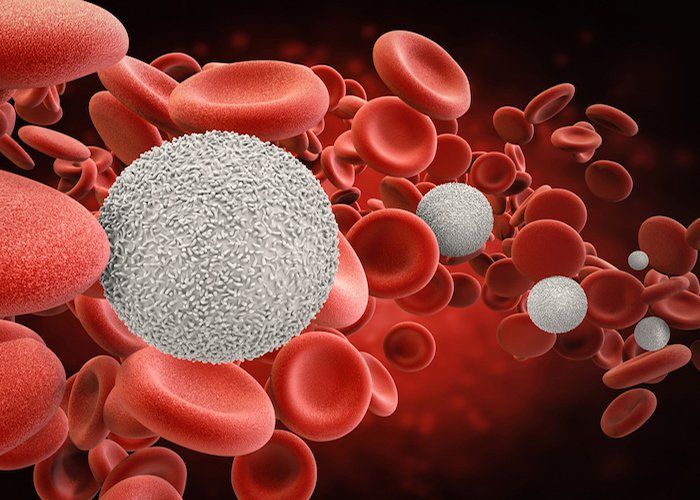
What Can Help Keep Blood Sugar in a Healthier Range?
Lifestyle changes can play an important role in blood glucose management, particularly for people with insulin resistance or type 2 diabetes.
Choose More High-Fiber Foods
Vegetables, legumes, whole grains, nuts, seeds, and whole fruits can help provide fiber and slow digestion.
Reduce Sugary Drinks
Soda, sweetened tea, energy drinks, and other sugary beverages can deliver large amounts of rapidly absorbed carbohydrates.
Replacing them with water or unsweetened drinks can be a practical change.
Stay Physically Active
Regular physical activity helps muscles use glucose and can improve insulin sensitivity.
Even walking after meals can be a useful habit for many people.
Get Adequate Sleep
Poor sleep can affect appetite regulation and insulin sensitivity.
Aim for a consistent sleep schedule whenever possible.
Take Prescribed Medication Correctly
If you have diabetes, do not stop or change medication without discussing it with your healthcare professional.
Don't Try to Diagnose Yourself From Symptoms
The symptoms of high blood sugar overlap with many other conditions.
Feeling thirsty doesn't automatically mean diabetes.
Being tired doesn't automatically mean your glucose is high.
Blurred vision can have numerous causes.
The right approach is to look at patterns and objective measurements.
If several symptoms appear together or continue without an obvious explanation, getting your blood glucose checked is much more useful than guessing.
The Bottom Line
High blood sugar can sometimes send subtle warning signs that are easy to overlook.
Increased thirst, frequent urination, fatigue, blurred vision, slow-healing wounds, recurrent infections, increased hunger, unexplained weight loss, tingling or numbness, dry or itchy skin, and difficulty concentrating can all occur with elevated blood glucose.
However, none of these symptoms is specific enough to diagnose diabetes on its own.
The most important step is to pay attention to persistent or unusual changes and get appropriate testing when needed.
High blood sugar can damage the body gradually, often without dramatic symptoms. Early detection gives people more opportunity to make lifestyle changes, receive appropriate treatment, and reduce the risk of long-term complications.
If your body keeps sending signals that something has changed, don't simply write them off as stress or getting older. A simple blood glucose test can provide information that symptoms alone cannot.