High Blo.od Sugar Alert: 12 Warning Signs Your Body May Be Sending You
High blood sugar, also known as hyperglycemia, often develops silently. Many people may not notice the early warning signs until the condition begins to affect daily life.
Health experts warn that recognizing these symptoms early is crucial, as prolonged high blood sugar can lead to serious complications, including nerve damage, vision problems, and organ damage.
Below are 12 common signs your body may be showing when blood sugar levels are too high.
1. Constant Thirst That Doesn’t Go Away
One of the earliest and most common symptoms is excessive thirst. This happens because the body tries to remove excess sugar through urine, leading to dehydration.
2. Frequent Urination (Especially at Night)
If you find yourself going to the bathroom more often than usual, it may be a sign your body is working overtime to flush out excess glucose.
3. Persistent Fatigue
Even after resting, you may feel unusually tired. This occurs because glucose cannot effectively enter cells to provide energy.
4. Blurred Vision
High blood sugar can affect the eyes by altering fluid levels, leading to temporary vision problems.
5. Increased Hunger
Despite eating regularly, you may feel constantly hungry because your body isn’t properly using glucose for energy.
6. Unexplained Weight Loss
In some cases, the body begins breaking down fat and muscle for energy, resulting in sudden weight loss.
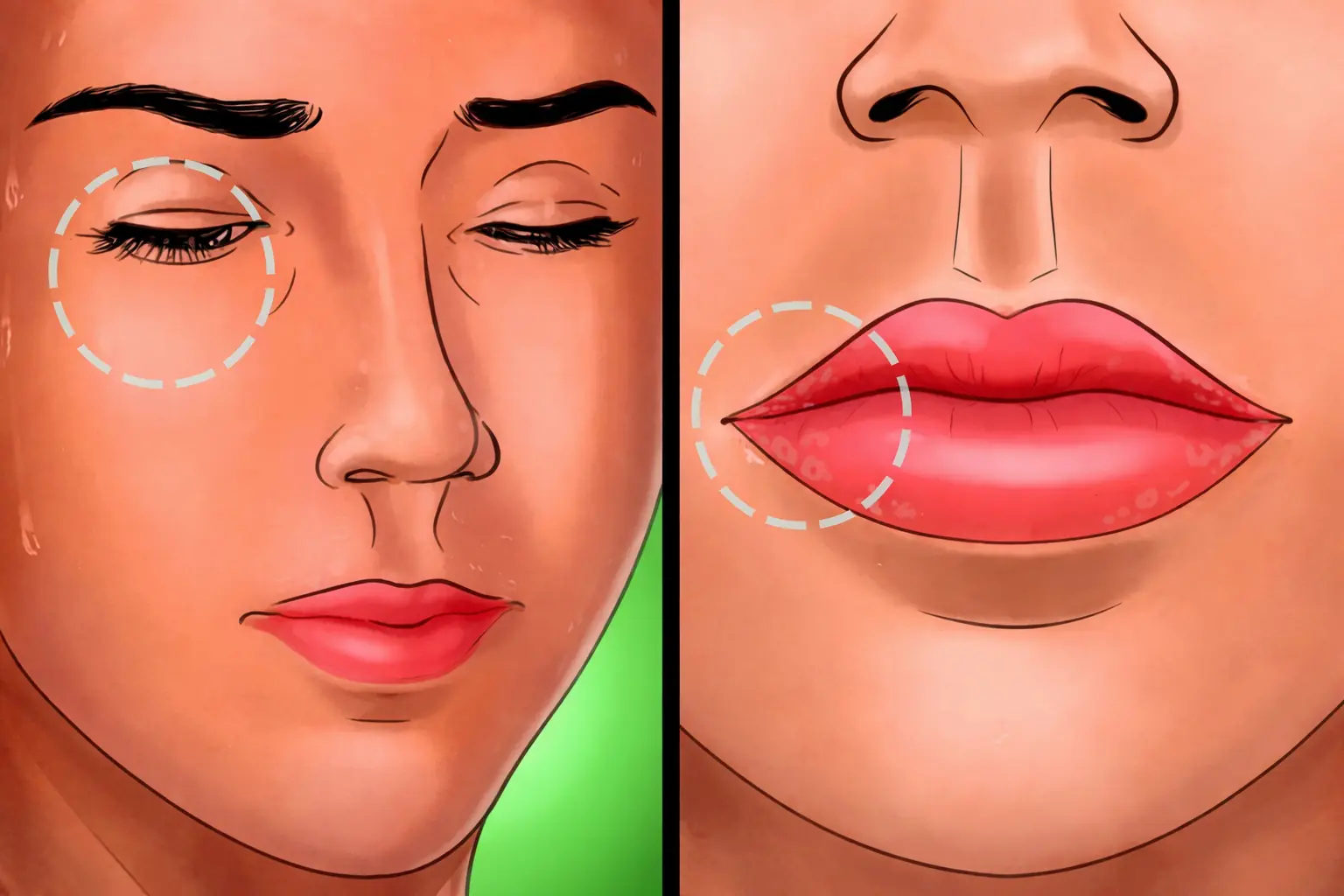
7. Dry Mouth and Skin
Dehydration caused by frequent urination can lead to dry mouth and dry, itchy skin.
8. Slow-Healing Wounds
Cuts and bruises that take longer to heal may indicate poor circulation and weakened immune response due to high blood sugar.
9. Frequent Infections
People with high blood sugar may experience recurring infections, particularly skin or yeast infections.
10. Headaches and Difficulty Concentrating
Fluctuating glucose levels can affect brain function, leading to headaches and trouble focusing.
11. Numbness or Tingling in Hands and Feet
Over time, high blood sugar can damage nerves, causing sensations like tingling or numbness.
12. Mood Changes and Irritability
Sudden mood swings, irritability, or difficulty controlling emotions may also be linked to unstable blood sugar levels.
Why You Shouldn’t Ignore These Signs
Hyperglycemia can develop gradually, making it easy to overlook. However, if left untreated, it can lead to serious complications such as:
- Heart disease
- Kidney damage
- Vision loss
- Nerve damage
The Bottom Line
High blood sugar is often called a “silent condition” because symptoms may appear slowly or be mistaken for everyday fatigue.
If you notice several of these warning signs, it’s important to check your blood sugar levels and consult a healthcare professional. Early detection and proper management can significantly reduce long-term health risks.