High cholesterol is often called a "silent condition" because, in most cases, it develops without causing any noticeable symptoms. Millions of people have elevated cholesterol levels and feel perfectly healthy, only discovering the problem during a routine blood test or after experiencing a serious complication such as a heart attack or stroke.
Although cholesterol is essential for building cells, producing hormones, and making vitamin D, too much of certain types of cholesterol can gradually damage blood vessels over many years. Understanding what cholesterol is, why it often goes unnoticed, and how to reduce your risk can help protect your long-term health.
Here's what everyone should know about high cholesterol.
What Is Cholesterol?
Cholesterol is a waxy, fat-like substance found in every cell of your body.
Your body needs cholesterol to:
-
Build healthy cells
-
Produce hormones such as estrogen and testosterone
-
Make vitamin D
-
Produce bile acids that help digest fats
Your liver produces most of the cholesterol your body needs, while the rest comes from foods, particularly animal products.
Problems arise when there is too much low-density lipoprotein (LDL) cholesterol or not enough high-density lipoprotein (HDL) cholesterol.
Understanding the Different Types of Cholesterol
LDL Cholesterol ("Bad" Cholesterol)
LDL carries cholesterol through the bloodstream.
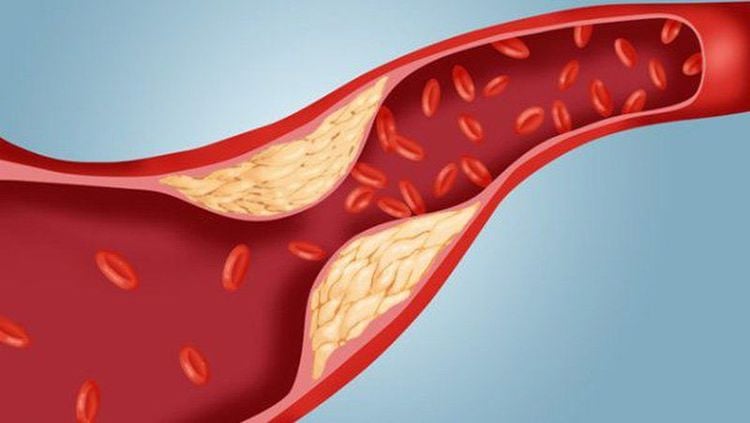
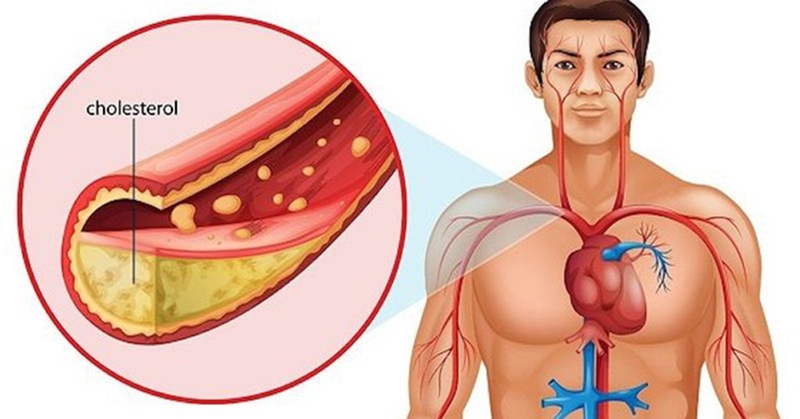
When LDL levels become too high, cholesterol can accumulate inside artery walls, forming plaques.
Over time, this may narrow arteries and increase the risk of:
-
Heart attack
-
Stroke
-
Peripheral artery disease
HDL Cholesterol ("Good" Cholesterol)
HDL helps remove excess cholesterol from the bloodstream and transports it back to the liver for disposal.
Higher HDL levels are generally associated with better cardiovascular health.
Triglycerides
Triglycerides are another type of fat in the blood.
High triglycerides, especially when combined with high LDL or low HDL, may further increase the risk of cardiovascular disease.
Why High Cholesterol Usually Has No Symptoms
Unlike an infection or injury, high cholesterol doesn't cause pain as it builds up.
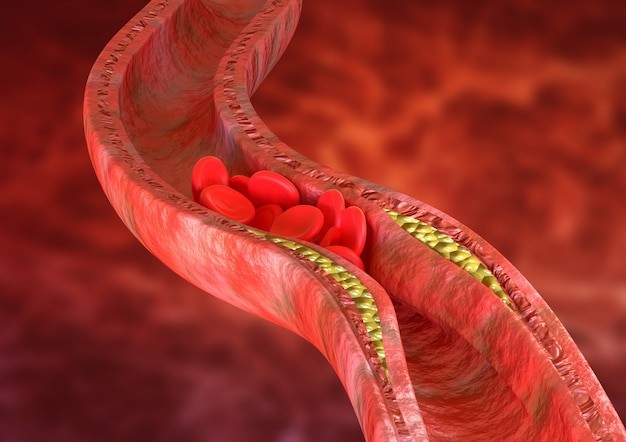
Plaques form gradually over many years.
During this process:
-
Blood vessels slowly narrow.
-
Blood flow becomes more restricted.
-
The body often adapts without obvious warning signs.
Many people do not experience symptoms until a plaque becomes large enough to significantly reduce blood flow or suddenly ruptures, causing a blood clot.
That is why regular cholesterol screening is so important.
Are There Any Symptoms?
Most people with high cholesterol have no symptoms at all.
However, complications caused by cholesterol buildup may eventually lead to symptoms affecting different parts of the body.
These symptoms are not caused by cholesterol itself but by reduced blood flow.
Possible Warning Signs of Complications
Chest Pain (Angina)
If plaque narrows the coronary arteries, the heart muscle may receive less oxygen during physical activity.
This may cause:
-
Chest pressure
-
Tightness
-
Pain
-
Shortness of breath
These symptoms should never be ignored.
Leg Pain While Walking
Reduced blood flow to the legs may cause:
-
Cramping
-
Pain
-
Fatigue
-
Weakness during walking
The discomfort often improves with rest.
This may be a sign of peripheral artery disease.
Stroke Symptoms
If blood flow to the brain becomes blocked, symptoms may include:
-
Sudden weakness on one side
-
Difficulty speaking
-
Facial drooping
-
Vision changes
-
Loss of balance
Stroke is a medical emergency requiring immediate treatment.
Heart Attack Symptoms
A blocked coronary artery may cause:
-
Chest pain or pressure
-
Pain spreading to the arm, jaw, neck, or back
-
Cold sweats
-
Nausea
-
Shortness of breath
Seek emergency medical care immediately if these symptoms occur.
Rare Physical Signs of High Cholesterol
Although uncommon, some people—especially those with inherited forms of high cholesterol—may develop visible signs.
Xanthomas
These are yellowish fatty deposits beneath the skin.
They often appear on:
-
Elbows
-
Knees
-
Hands
-
Feet
-
Achilles tendon
Xanthelasma
These are soft yellow plaques that develop around the eyelids.
While they can occur in people with normal cholesterol levels, they may also be associated with elevated cholesterol.
Corneal Arcus
A gray or white ring around the edge of the cornea becomes more common with aging.
However, when it appears in younger adults, it may suggest inherited high cholesterol and should be evaluated by a healthcare provider.
Who Is at Higher Risk?
Several factors increase the likelihood of developing high cholesterol.
Lifestyle Factors
-
Diet high in saturated fat
-
Diet high in trans fat
-
Physical inactivity
-
Smoking
-
Excessive alcohol consumption
-
Obesity
Medical Conditions
Certain health conditions may also contribute, including:
-
Type 2 diabetes
-
Chronic kidney disease
-
Hypothyroidism
-
Liver disease
-
Metabolic syndrome
Family History
Some people inherit genes that make it difficult for the body to remove LDL cholesterol.
This condition, called familial hypercholesterolemia, can cause very high cholesterol levels at a young age and significantly increase the risk of early heart disease.
How Is High Cholesterol Diagnosed?
The only reliable way to diagnose high cholesterol is through a blood test, often called a lipid panel.
This test typically measures:
-
Total cholesterol
-
LDL cholesterol
-
HDL cholesterol
-
Triglycerides
Many healthy adults should have their cholesterol checked periodically based on their age, health status, and individual risk factors. People with diabetes, cardiovascular disease, or a family history of high cholesterol may need more frequent testing as recommended by their healthcare provider.
How Can You Lower High Cholesterol?
For many people, healthy lifestyle changes are the first step.
Eat More Heart-Healthy Foods
Focus on foods rich in:
-
Fruits
-
Vegetables
-
Whole grains
-
Beans
-
Lentils
-
Oats
-
Nuts
-
Seeds
These foods provide fiber that may help lower LDL cholesterol.
Choose Healthier Fats
Replace saturated fats with healthier unsaturated fats found in:
-
Olive oil
-
Avocados
-
Nuts
-
Seeds
-
Fatty fish such as salmon, sardines, and mackerel
Avoid trans fats whenever possible.
Stay Physically Active
Aim for at least 150 minutes of moderate-intensity aerobic activity per week, along with muscle-strengthening activities on two or more days each week, unless your healthcare provider advises otherwise.
Regular exercise may:
-
Raise HDL cholesterol
-
Improve circulation
-
Support weight management
-
Lower cardiovascular risk
Maintain a Healthy Weight
Even modest weight loss may improve cholesterol levels and reduce overall cardiovascular risk in people who are overweight or obese.
Don't Smoke
Smoking damages blood vessels and lowers HDL cholesterol.
Quitting smoking benefits the heart at any age.
Limit Alcohol
Excessive alcohol intake may increase triglyceride levels and contribute to other health problems.
Moderation is recommended.
When Are Medications Needed?
Lifestyle changes alone may not be enough for everyone.
Your healthcare provider may recommend cholesterol-lowering medications, such as statins, if you have:
-
Very high LDL cholesterol
-
Established heart disease
-
Diabetes
-
Familial hypercholesterolemia
-
A high estimated risk of cardiovascular disease
Medication decisions are based on your overall health profile, not cholesterol numbers alone.
Common Myths About High Cholesterol
Myth: If I feel fine, my cholesterol must be normal.
Reality: High cholesterol usually causes no symptoms until complications develop.
Myth: Only overweight people have high cholesterol.
Reality: People of any body size can have elevated cholesterol, especially if genetics play a role.
Myth: Young adults don't need to worry about cholesterol.
Reality: High cholesterol can begin early in life, particularly in people with a family history or unhealthy lifestyle habits.
Myth: Eating cholesterol-rich foods is the only cause.
Reality: Cholesterol levels are influenced by genetics, liver function, diet, physical activity, weight, smoking, and certain medical conditions.
Myth: Medication means I can eat whatever I want.
Reality: Even when medication is prescribed, a heart-healthy diet and regular physical activity remain essential parts of treatment.
Final Thoughts
High cholesterol is often called a silent condition because it rarely causes symptoms until significant damage has already occurred. The good news is that it can usually be detected with a simple blood test, long before it leads to serious complications.
Understanding your cholesterol levels, maintaining a balanced diet, staying physically active, avoiding smoking, and following your healthcare provider's recommendations can significantly reduce your risk of heart disease and stroke.
Rather than waiting for symptoms - which may never appear until an emergency occurs regular health checkups and preventive care are among the most effective ways to protect your cardiovascular health.