
Your Favorite Sleeping Position May Affect Your Body More Than You Realize
🩺 Health Experts Say Your Sleeping Position May Influence More Than Just Comfort... See More
Health 24/07/2026 15:53
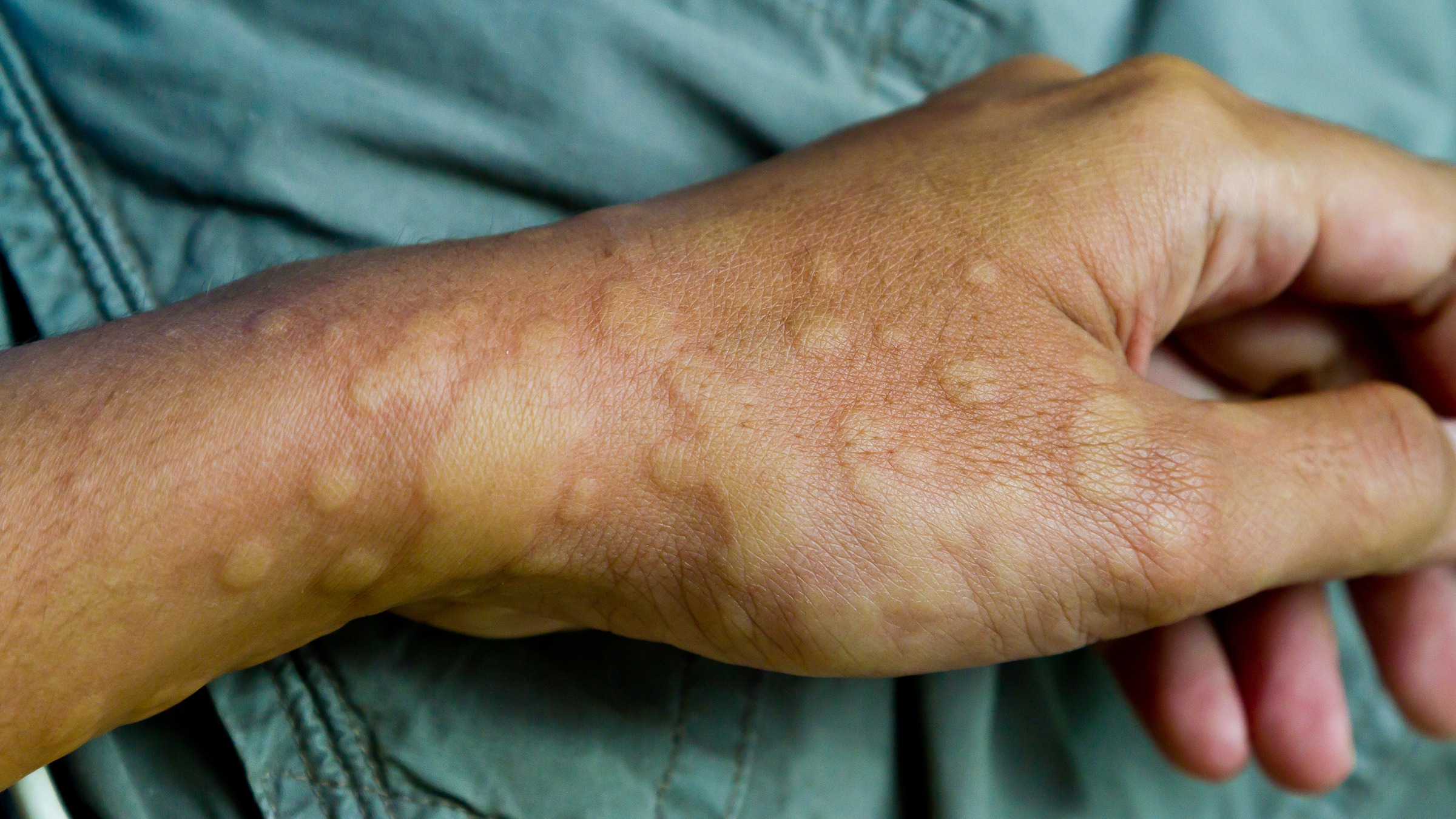
Hives, also known as urticaria, are itchy, raised welts that can appear suddenly anywhere on the body. They often fade within a few hours but may reappear in different areas. While many cases are harmless and short-lived, hives can sometimes signal an allergic reaction or an underlying medical condition that requires attention.
Here are 10 possible reasons why you may develop hives.
One of the most common causes of acute hives is a food allergy.
Common triggers include:
Peanuts
Tree nuts
Shellfish
Fish
Eggs
Milk
Soy
Wheat
Symptoms often appear within minutes to a few hours after eating the trigger food.
Certain medications can cause hives, including:
Antibiotics (such as penicillin)
Aspirin
Ibuprofen and other NSAIDs
Some blood pressure medications
Certain vaccines (rarely)
Never stop a prescribed medication without consulting your healthcare provider unless you are experiencing a medical emergency.
Many cases of hives are triggered by viral infections rather than allergies.
Examples include:
The common cold
Influenza
COVID-19
Viral stomach infections
Children are especially likely to develop hives during or shortly after viral illnesses.
Bee stings, wasp stings, mosquito bites, and fire ant bites may trigger localized or widespread hives in sensitive individuals.
Most reactions are mild, but severe allergic reactions require immediate medical attention.
Some people develop hives after exposure to physical factors such as:
Cold temperatures
Heat
Sunlight
Pressure from tight clothing
Exercise
Sweating
Water (rarely)
These are known as physical urticarias.
Emotional stress does not directly cause allergies, but it can worsen or trigger hives in some people.
Stress management techniques, adequate sleep, and regular exercise may help reduce flare-ups for some individuals.
If hives occur most days of the week for more than six weeks, the condition is called chronic spontaneous urticaria.
In many cases, no specific trigger is identified.
A healthcare provider may recommend antihistamines or other treatments depending on symptom severity.
Some autoimmune diseases have been associated with chronic hives, including:
Autoimmune thyroid disease
Lupus
Rheumatoid arthritis
Not everyone with chronic hives has an autoimmune disorder, but further evaluation may be appropriate if symptoms persist.
Skin contact with certain substances may trigger hives in sensitive people, such as:
Latex
Animal dander
Certain plants
Cosmetics
Cleaning products
Fragrances
Avoiding the trigger often helps prevent future episodes.
Although uncommon, persistent or recurrent hives may occasionally be associated with:
Chronic infections
Hormonal disorders
Certain inflammatory diseases
Rare underlying medical conditions
If hives continue for weeks or recur frequently, seek medical evaluation to identify possible causes.
Seek immediate emergency care if hives occur together with:
Difficulty breathing.
Wheezing.
Swelling of the lips, tongue, or throat.
Trouble swallowing.
Dizziness or fainting.
Rapid heartbeat.
These symptoms may indicate anaphylaxis, a life-threatening allergic reaction that requires urgent treatment.
For uncomplicated hives, you may find relief by:
Avoiding known triggers.
Applying cool compresses.
Wearing loose-fitting clothing.
Keeping the skin cool.
Taking a non-drowsy antihistamine if recommended by your healthcare provider or pharmacist.
Avoiding scratching, which can worsen irritation.
You may reduce your risk by:
Keeping a diary of foods and possible triggers.
Reading food labels carefully if you have allergies.
Managing stress.
Treating infections promptly.
Avoiding medications that have previously caused reactions, unless advised otherwise by a healthcare professional.
Hives are a common skin reaction that can result from allergies, viral infections, medications, insect bites, physical triggers, stress, or chronic medical conditions. Most cases are temporary and resolve within a few days, but hives that persist for more than six weeks or occur with swelling of the face, difficulty breathing, or fainting require prompt medical evaluation.
If you experience frequent or unexplained episodes of hives, consult a healthcare professional to identify the underlying cause and determine the most appropriate treatment.
🩺 Health Experts Say Your Sleeping Position May Influence More Than Just Comfort... See More



🥣 Chicken Feet May Offer More Than Flavor—Discover Their Potential Nutritional Benefits

😱 Many People Overlook These 6 Warning Signs Until They Learn What They Could Mean...

Can Chayote Squash Support Your Health? Here's What Research Says

If You're Over 60, Experts Say Bananas May Offer More Benefits Than You Realize
Doctors reveal why your phone doesn't belong next to your bed at night.

🩸 What Visible Veins Could Mean Depends on More Than You Think... 👇

These 4 Types of Meat Could Be Harming Your Stomach Without You Knowing



🐟 One Common Fish Could Hold an Unpleasant Surprise If Not Properly Prepared... 👇





🩺 Health Experts Say Your Sleeping Position May Influence More Than Just Comfort... See More
🥣 Chicken Feet May Offer More Than Flavor—Discover Their Potential Nutritional Benefits
😱 Many People Overlook These 6 Warning Signs Until They Learn What They Could Mean...

🚿 Not All Pipes Handle Hot Water the Same Way—Here's Why It Matters...
Can Chayote Squash Support Your Health? Here's What Research Says
If You're Over 60, Experts Say Bananas May Offer More Benefits Than You Realize
Doctors reveal why your phone doesn't belong next to your bed at night.
🩸 What Visible Veins Could Mean Depends on More Than You Think... 👇
These 4 Types of Meat Could Be Harming Your Stomach Without You Knowing

🐟 One Common Fish Could Hold an Unpleasant Surprise If Not Properly Prepared... 👇