Brussels sprouts have a reputation that is hard to shake.
For some people, they are a delicious little vegetable that belongs on the dinner table. For others, the very mention of Brussels sprouts brings back memories of overcooked, bitter, soggy vegetables that were pushed around a plate rather than enjoyed.
But here's the interesting part: Brussels sprouts have changed dramatically in the way they are grown, prepared, and served.
The vegetable that many people remember from childhood may be very different from the crispy, roasted, caramelized Brussels sprouts appearing on restaurant menus today.
So, honestly - does anyone actually eat Brussels sprouts?
Absolutely.
And there are plenty of good reasons why this humble vegetable deserves another chance.
What Exactly Are Brussels Sprouts?
Brussels sprouts belong to the Brassica family of vegetables, the same broad family that includes broccoli, cauliflower, cabbage, kale, and collard greens.
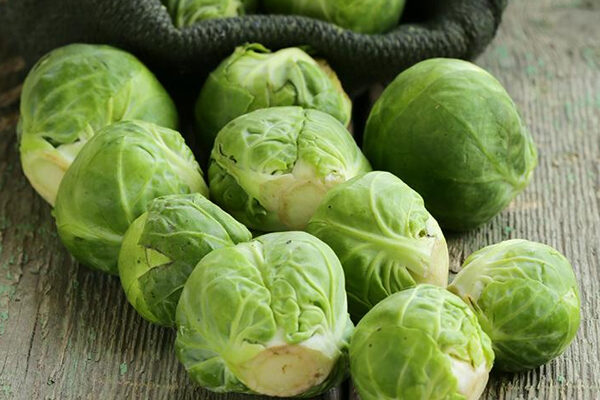
Unlike cabbage, which forms one large head, Brussels sprouts produce dozens of small edible buds along a central stalk.
They look like miniature cabbages, but their flavor can be quite different depending on how they are grown and prepared.
Fresh Brussels sprouts are generally firm, green, and tightly packed.
When cooked properly, they can develop a slightly sweet, nutty flavor with crisp edges and a tender center.
The problem is that preparation makes a huge difference.
Why Do Brussels Sprouts Have Such a Bad Reputation?
If you dislike Brussels sprouts, there's a good chance you experienced them in a way that didn't show their best qualities.
For decades, Brussels sprouts were commonly boiled for a long time.
Unfortunately, prolonged cooking can turn them soft and watery.
It can also intensify the strong sulfur-containing aromas associated with cruciferous vegetables.
The result?
A vegetable that smells much stronger than it tastes and has a texture that many people find unpleasant.
That's why someone who says, "I hate Brussels sprouts," may actually mean:
"I hate the way Brussels sprouts were prepared when I was younger."
Roasting, grilling, sautéing, steaming briefly, or air-frying can produce a completely different experience.

Roasting Can Completely Change Them
One of the easiest ways to make Brussels sprouts more appealing is roasting.
When exposed to high heat, the outside leaves can become crisp and caramelized while the inside remains tender.
The natural sugars in the vegetable undergo browning reactions that create deeper, richer flavors.
A simple preparation can be enough:
Brussels sprouts + olive oil + black pepper + a little salt.
Cut the sprouts in half, coat them lightly with oil, and roast them until the edges become browned and crispy.
For extra flavor, you can add:
-
Garlic
-
Lemon juice
-
Parmesan
-
Balsamic vinegar
-
Chili flakes
-
Dijon mustard
-
Toasted nuts
Suddenly, the vegetable that once seemed boring becomes something people actually look forward to eating.
Brussels Sprouts Are Surprisingly Nutritious
The appeal of Brussels sprouts isn't only about flavor.
They are a nutrient-dense vegetable, meaning they provide useful nutrients without contributing a large number of calories.
They contain dietary fiber along with vitamin C, vitamin K, folate, and other vitamins, minerals, and plant compounds.
That combination makes them a valuable addition to a varied diet.
Of course, no single vegetable can provide everything your body needs.
But including different vegetables throughout the week is a simple way to increase the variety of nutrients and plant compounds in your diet.
1. They Provide Dietary Fiber
Fiber is one of the biggest nutritional reasons to include vegetables such as Brussels sprouts in your meals.
Dietary fiber supports normal digestive function and can help contribute to regular bowel movements.
It can also help make meals more filling.
A meal containing vegetables, protein, and a source of whole-food carbohydrates can often be more satisfying than a meal built primarily around highly refined foods.
If your diet is currently low in fiber, gradually increasing your intake is generally better than suddenly eating very large amounts.
And remember that adequate fluid intake matters too.
2. They're Rich in Vitamin C
Brussels sprouts provide vitamin C, an essential nutrient involved in immune function, collagen production, wound healing, and antioxidant defense.
Vitamin C is also important for helping the body absorb iron from plant-based foods.
Eating Brussels sprouts alongside beans, lentils, spinach, or other plant sources of iron can therefore be a useful combination.
Cooking methods can affect vitamin C content, so shorter cooking times and methods that minimize water exposure may help preserve more of the vitamin than prolonged boiling.
3. They Provide Vitamin K
Brussels sprouts are also a source of vitamin K, which plays an important role in normal blood clotting and bone metabolism.
For most healthy people, eating vitamin K-containing vegetables as part of a balanced diet is beneficial.
However, people taking certain anticoagulant medications, particularly warfarin, may need to maintain a relatively consistent vitamin K intake.
That doesn't necessarily mean avoiding Brussels sprouts.
Instead, anyone taking these medications should follow their healthcare professional's dietary guidance.
4. They Contain Folate
Folate is another nutrient found in Brussels sprouts.
It is important for DNA synthesis and cell division, making it especially significant during periods of rapid growth and development.
Folate is also important during pregnancy, which is why adequate folate intake is emphasized for people who are pregnant or planning pregnancy.
Brussels sprouts can contribute to overall folate intake alongside foods such as beans, leafy greens, asparagus, avocado, and fortified grains.
5. They Contain Beneficial Plant Compounds
Like other cruciferous vegetables, Brussels sprouts contain naturally occurring compounds called glucosinolates.
When these compounds are broken down during chewing and digestion, they can contribute to the formation of other biologically active compounds.
These substances have been extensively studied because of their potential roles in cellular defense and other biological processes.
This doesn't mean that eating Brussels sprouts prevents cancer or cures disease.
Nutrition is rarely that simple.
What the evidence does support is that cruciferous vegetables are valuable components of a healthy dietary pattern.

What About Their Sulfur Smell?
Here's the part nobody can ignore.
Brussels sprouts can smell... intense.
That distinctive aroma comes partly from sulfur-containing compounds.
When Brussels sprouts are cooked for too long, those compounds can become more noticeable, which is one reason overcooked sprouts have such a strong reputation.
But there's a simple solution:
Don't overcook them.
Roasting, quick sautéing, steaming, or grilling can help maintain a more pleasant texture and flavor.
Freshness also matters.
Older Brussels sprouts may have a stronger smell and less appealing flavor.
Can Brussels Sprouts Cause Gas?
Yes, they can.
Brussels sprouts contain fiber and certain carbohydrates that may be fermented by gut bacteria.
For some people, this can lead to:
-
Gas
-
Bloating
-
Abdominal discomfort
This doesn't mean Brussels sprouts are unhealthy.
It simply means that individual digestive systems respond differently to certain foods.
If you're not used to eating many high-fiber vegetables, start with a small serving and increase gradually.
Cooking them thoroughly may also make them easier for some people to tolerate.
How Many Brussels Sprouts Should You Eat?
There's no magic number.
A practical serving might be around half a cup to one cup cooked, depending on the rest of your meal and your individual nutritional needs.
You don't need to eat Brussels sprouts every day.
The bigger goal is variety.
Rotate different vegetables through your meals:
Broccoli one day.
Carrots another day.
Green beans later in the week.
Brussels sprouts when you're in the mood for them.
A diverse diet provides a broader range of nutrients and plant compounds.
How to Make Brussels Sprouts Actually Taste Good
If you've tried them before and hated them, try a different cooking method.
Crispy Roasted Brussels Sprouts
Trim the ends and cut the sprouts in half.
Toss them lightly with olive oil, salt, and pepper.
Place them cut-side down on a baking sheet.
Roast until the bottoms are deeply browned and the outer leaves are crispy.
Finish with a squeeze of fresh lemon.
That's it.
The caramelization creates a slightly sweet flavor that is completely different from boiled Brussels sprouts.
Try Them With Garlic and Parmesan
For a richer side dish, roast Brussels sprouts with garlic and finish them with a little Parmesan cheese.
The combination of crispy leaves, savory cheese, and roasted garlic can make them much more appealing to people who normally avoid the vegetable.
You don't need to drown them in sauce.
A small amount of seasoning can completely change the flavor.
Brussels Sprouts Can Work in Salads Too
You don't always have to cook them.
Very fresh Brussels sprouts can be thinly sliced and used as the base of a crunchy salad.
Try combining them with:
-
Apples
-
Walnuts
-
Dried cranberries
-
Shaved Parmesan
-
Lemon
-
Olive oil
-
Dijon mustard
The result is crisp, slightly sweet, nutty, and refreshing.
This preparation also avoids the soft texture that turns many people away from cooked Brussels sprouts.
Why Restaurant Brussels Sprouts Taste So Different
There's a reason you might suddenly enjoy Brussels sprouts at a restaurant even though you hated them at home.
Restaurants often use techniques that emphasize browning and texture.
They may roast them at high temperatures, char them on a grill, fry the leaves, or finish them with acidic ingredients such as lemon or vinegar.
Fat, acidity, salt, and caramelization can dramatically change how vegetables taste.
That doesn't mean restaurant Brussels sprouts are automatically healthier.
They may also contain more oil, butter, cheese, sugar, or sodium.
But the cooking techniques can demonstrate just how versatile the vegetable actually is.
Are Brussels Sprouts Better Than Other Vegetables?
Not necessarily.
There's no need to turn Brussels sprouts into a "superfood" and claim they're better than every other vegetable.
Broccoli has its own nutritional strengths.
Spinach has its own.
Carrots have theirs.
Bell peppers offer different nutrients.
The healthiest approach is usually variety rather than competition.
Brussels sprouts are simply one nutritious option among many.
Who Should Be More Careful?
Most people can enjoy Brussels sprouts without any problem.
However, individuals with certain digestive conditions may find cruciferous vegetables difficult to tolerate.
People taking medications affected by vitamin K intake should also discuss dietary consistency with their healthcare professional.
And if a particular food repeatedly causes significant pain, bloating, or other symptoms, it's worth discussing those symptoms with a medical professional rather than simply assuming you have to tolerate them.
So, Does Anyone Actually Eat Brussels Sprouts?
Absolutely.
In fact, Brussels sprouts have gone through something of a culinary comeback.
The vegetable that once represented everything people disliked about school dinners is now commonly served roasted, grilled, shaved into salads, stir-fried, and combined with flavorful ingredients.
The biggest lesson may be this:
Sometimes the problem isn't the food. It's how the food was prepared.
A plate of pale, mushy Brussels sprouts boiled for twenty minutes is a completely different experience from a tray of crispy, caramelized sprouts roasted with garlic and lemon.
The Bottom Line
Brussels sprouts may have a questionable reputation, but nutritionally, they're a pretty solid vegetable.
They provide fiber, vitamin C, vitamin K, folate, and beneficial plant compounds, while fitting easily into a balanced diet.
They may also support digestive health as part of a fiber-rich eating pattern, although some people can experience gas or bloating after eating them.
The trick is finding a preparation method you actually enjoy.
Try roasting them.
Try grilling them.
Try slicing them into a salad.
Add garlic.
Add lemon.
Add a little Parmesan.
You might be surprised by the result.
So, honestly...
Do people actually eat Brussels sprouts?
Yep.
And if your only experience with them involved a pot of overcooked, soggy vegetables from years ago, you may not actually hate Brussels sprouts at all.
You might just have never had them prepared the right way.