When people hear that cancer has “spread to the lymph nodes,” it can sound frightening.
But what does that phrase actually mean?
The answer begins with the lymphatic system, an extensive network of vessels, tissues, and lymph nodes that works throughout the body. It helps maintain fluid balance, transports certain immune cells, and plays an important role in the body's immune defenses.
Unfortunately, this same network can sometimes provide cancer cells with a pathway from a primary tumor to other parts of the body.
Understanding how that process works can make medical terminology such as lymph-node involvement, lymphatic spread, regional metastasis, and distant metastasis much easier to understand.
Most importantly, finding cancer cells in a lymph node does not automatically mean that cancer has spread throughout the entire body. The significance depends on the type of cancer, how many lymph nodes are involved, where those nodes are located, and whether cancer has reached organs or tissues beyond the regional lymphatic system.
What Is the Lymphatic System?
The lymphatic system is a network that runs throughout much of the body.
It includes:
Lymphatic vessels
Lymph nodes
The spleen
The thymus
The tonsils and other lymphoid tissues
Lymphatic vessels carry a clear fluid called lymph.
Lymph contains fluid, proteins, cellular material, and immune cells. It moves through a network of vessels and passes through lymph nodes, where immune cells can identify and respond to foreign substances.
Lymph nodes are therefore something like biological checkpoints.
They help filter lymph and participate in immune surveillance.
There are groups of lymph nodes throughout the body, including in the neck, armpits, chest, abdomen, and groin.
Why Do Cancer Cells Enter the Lymphatic System?
A tumor begins when cells acquire changes that allow them to grow and divide abnormally.
As some cancers progress, individual cancer cells can detach from the primary tumor and invade nearby tissues.
If those cells reach nearby lymphatic vessels, they can enter the lymphatic circulation.
From there, they may travel to regional lymph nodes.
This is known as lymphatic metastasis or lymph-node metastasis.
Not every cancer spreads through the lymphatic system in the same way.
Some cancers are more likely to spread through lymphatic vessels, while others may primarily spread through the bloodstream or directly into nearby tissues.
The biology of the specific cancer matters enormously.
The First Stop Is Often a Nearby Lymph Node
When cancer cells enter lymphatic vessels, they typically follow the normal flow of lymph.
That means they often encounter regional lymph nodes associated with the area where the primary tumor developed.
For example, cancers arising in the breast may spread to lymph nodes in the armpit or around the breastbone.
Cancers in the lower abdomen or pelvis may spread to nearby pelvic or abdominal lymph nodes.
The pattern varies according to the organ involved.
This is one reason doctors carefully examine particular groups of lymph nodes when staging cancer.
What Happens Once Cancer Cells Reach a Lymph Node?
A lymph node contains immune cells designed to detect abnormal or foreign material.
Sometimes these immune defenses can destroy cancer cells.
But in other circumstances, cancer cells survive and begin multiplying within the node.
A small cluster of cancer cells may initially be difficult to detect.
Over time, the number of cancer cells can increase, leading to a metastatic lymph-node deposit.
Doctors may describe this as a positive lymph node or lymph-node involvement.
The presence of cancer cells in a lymph node can provide important information about how far the disease has progressed.
Does a Positive Lymph Node Mean Stage 4 Cancer?
Not necessarily.
This is one of the most important misconceptions to correct.
Cancer staging systems depend on the type of cancer, but many use a framework involving:
T — the primary tumor
N — regional lymph-node involvement
M — distant metastasis
Lymph-node involvement is generally part of the N category, while distant spread to organs or distant tissues is represented by M.
A patient may have cancer in one or more regional lymph nodes and still not have distant metastatic disease.
In other words:
Cancer in nearby lymph nodes is not the same thing as cancer spreading throughout the body.
The exact stage depends on the cancer type and specific staging criteria.
Why Lymph Nodes Are Important for Cancer Staging
Doctors use lymph-node information to estimate how extensively a cancer has spread and to help determine treatment.
A pathology report may describe:
The number of lymph nodes examined.
The number containing cancer.
The location of those nodes.
Whether cancer cells remain confined within the node.
Whether there is spread beyond the lymph-node capsule in some cancers.
These details can influence prognosis and treatment recommendations.
What Does “Positive Lymph Node” Mean?
A positive lymph node generally means that cancer cells have been identified within the node.
A negative lymph node means no cancer cells were detected in the examined node.
However, pathology results must be interpreted carefully.
The reliability of the assessment can depend on how many nodes were examined, how the tissue was processed, the sensitivity of the testing method, and the characteristics of the cancer.
A negative result doesn't necessarily prove that no cancer cell exists anywhere outside the primary tumor.
Sentinel Lymph Nodes
For some cancers, surgeons may use a technique called sentinel lymph-node biopsy.
The sentinel lymph node is the first lymph node—or first group of nodes—to which lymphatic drainage from the tumor is expected to travel.
Doctors may identify these nodes using a tracer or dye and remove them for examination.
If the sentinel nodes do not contain cancer, it may reduce the likelihood that cancer has spread to other regional nodes, depending on the cancer and clinical circumstances.
If cancer cells are detected, additional treatment or further evaluation may be considered.
Sentinel-node procedures are commonly used in certain breast cancers and melanomas, among other situations.
How Doctors Detect Lymph-Node Involvement
There are several ways doctors may evaluate lymph nodes.
Physical Examination
Some lymph nodes can be felt when they become enlarged.
For example, doctors may examine the neck, armpits, or groin.
But not every metastatic lymph node becomes enlarged enough to feel.
Conversely, enlarged lymph nodes are often caused by infection rather than cancer.
So a swollen lymph node alone cannot establish a cancer diagnosis.
Imaging
Imaging techniques may include:
Ultrasound
CT scans
MRI
PET scans
Different imaging methods provide different types of information.
A lymph node that looks enlarged or otherwise unusual may require additional testing.
But imaging alone cannot always determine whether a node contains cancer.
Biopsy
A biopsy allows doctors to examine cells or tissue directly.
Depending on the situation, this might involve:
Fine-needle aspiration.
Core-needle biopsy.
Excisional biopsy.
Surgical removal.
Pathologists examine the tissue under a microscope and may use additional laboratory techniques to identify cancer cells.
This is often crucial for establishing whether a suspicious lymph node actually contains cancer.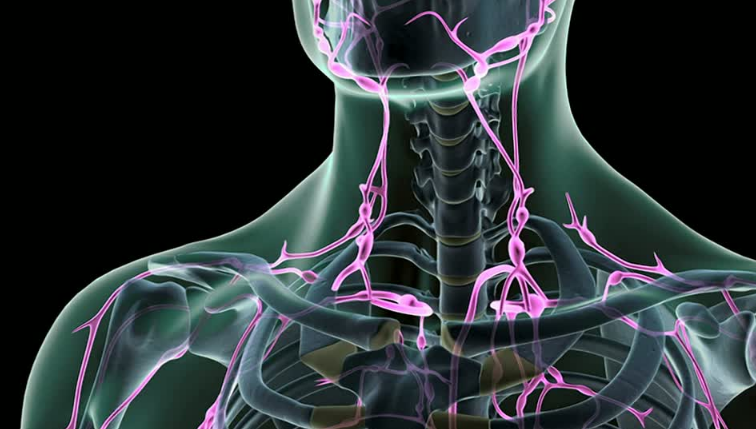
What Symptoms Can Occur?
Lymph-node metastases may not cause obvious symptoms.
When symptoms do occur, they depend heavily on the location and size of the affected nodes.
Possible signs can include:
A persistent lump or swelling
Pressure in a particular area
Pain or discomfort
Swelling caused by impaired lymph drainage
Breathing or swallowing difficulties in certain anatomical locations
But swollen lymph nodes are much more commonly caused by infections and other non-cancerous conditions.
A lump that appears after a cold or sore throat may simply reflect an immune response.
The important factor is whether the swelling persists, grows, becomes hard or fixed, or occurs alongside other concerning symptoms.
Can Cancer Spread From Lymph Nodes to Other Organs?
Yes, in some cases.
Cancer cells that have successfully colonized lymph nodes may acquire additional opportunities to spread.
Cancer can also enter blood vessels and travel through the bloodstream.
Eventually, cells may establish tumors in distant organs.
This is called distant metastasis.
Common sites vary by cancer type but can include the:
Liver
Lungs
Bones
Brain
Other organs
However, lymphatic spread does not mean distant metastasis is inevitable.
Some cancers remain confined to the original tumor and nearby lymph nodes.
Others may spread much farther.
The behavior depends on the tumor's biology.
Why Some Cancers Spread More Easily Than Others
Cancer is not one disease.
Different cancers have different genetic and molecular characteristics.
Some tumors grow slowly and remain relatively localized.
Others invade surrounding tissues and spread more aggressively.
Even within the same cancer type, two patients can have tumors with different biological behavior.
Factors that influence spread can include:
Tumor size.
Tumor grade.
Specific molecular characteristics.
Depth of invasion.
Lymphovascular invasion.
Number and location of positive lymph nodes.
Presence or absence of distant metastases.
These factors are evaluated together rather than relying on one feature alone.
What Is Lymphovascular Invasion?
Pathology reports sometimes mention lymphovascular invasion.
This means cancer cells have been found within small lymphatic or blood vessels near the tumor.
It is an important finding because these vessels can provide potential routes for cancer cells to travel.
However, lymphovascular invasion does not mean distant metastasis has already occurred.
It indicates a pathway or risk factor that may help doctors estimate the behavior of the tumor.
What Is Extracapsular or Extranodal Extension?
In some cancers, pathology reports may mention extranodal extension, also called extracapsular extension.
This means cancer has extended beyond the normal capsule of a lymph node into surrounding tissue.
Its significance depends on the cancer type.
In certain cancers, extranodal extension is associated with a higher risk of recurrence or more advanced disease.
Doctors take such findings into account when planning treatment.
Why the Number of Positive Nodes Matters
One positive lymph node is not necessarily equivalent to ten positive lymph nodes.
Generally, a greater number of involved lymph nodes may indicate a larger regional disease burden.
The precise staging rules differ substantially between cancers.
For this reason, a pathology report may contain detailed information about the total number of nodes examined and the number containing metastatic cancer.
Doctors combine this information with tumor size and other findings to determine the overall stage.
Can Removing Lymph Nodes Stop Cancer From Spreading?
Sometimes surgeons remove lymph nodes as part of cancer treatment or staging.
The purpose may be to determine whether cancer has reached the regional nodes and, in selected circumstances, to remove known cancer-containing nodes.
But lymph-node removal does not guarantee that cancer cannot recur elsewhere.
Cancer cells can sometimes have already left the primary tumor before surgery.
That is why additional treatments such as radiation, chemotherapy, hormone therapy, targeted therapy, or immunotherapy may be recommended depending on the cancer.
Why Doctors Sometimes Recommend Systemic Treatment
Surgery primarily treats disease that can be physically removed.
Systemic treatments are designed to reach cancer cells throughout the body.
Examples include:
Chemotherapy
Hormone therapy
Targeted therapy
Immunotherapy
The treatment chosen depends on the specific type and molecular characteristics of the cancer.
The presence of positive lymph nodes may influence whether systemic treatment is recommended because it can indicate a higher risk that microscopic cancer cells exist elsewhere.
Can Lifestyle Changes Prevent Lymphatic Spread?
Lifestyle changes can support overall health, but they should not be presented as a way to stop an established cancer from spreading through lymphatic vessels.
For people with cancer, maintaining adequate nutrition, staying physically active when medically appropriate, avoiding tobacco, limiting excessive alcohol, and following medical treatment plans can support general health.
But no specific food, supplement, detox drink, or home remedy can reliably block cancer cells from traveling through the lymphatic system.
Be especially cautious of claims that certain foods can “flush cancer out of the lymph system.”
Those claims are not substitutes for oncology care.
What About “Lymph Detox” Products?
The internet contains many products marketed as lymph cleanses or lymph detoxes.
There is no scientifically established need to detox the lymphatic system with special teas, supplements, massages, or restrictive diets.
The lymphatic system has its own circulation and immune functions.
Products claiming to remove cancer cells from the lymphatic system should be treated with skepticism.
If someone has a diagnosed cancer, seeking evidence-based oncology care should come first.
Lymphedema Is Different From Cancer Spread
Another important distinction is lymphedema.
Lymphedema occurs when lymphatic drainage is impaired, causing fluid to accumulate in tissues and leading to swelling.
It can develop after lymph-node surgery or radiation therapy, particularly in regions such as the arm after breast cancer treatment.
Lymphedema is a complication involving lymphatic drainage.
It does not automatically mean cancer has spread.
This distinction can be reassuring for patients who notice swelling following treatment.
At the same time, new swelling should be evaluated because there are many possible causes.
Why Lymph Nodes Can Become Enlarged Without Cancer
This is extremely important.
Lymph nodes are part of the immune system.
When the body encounters an infection, immune cells become active and lymph nodes may swell.
A sore throat can produce swollen neck nodes.
A skin infection can enlarge nearby nodes.
Viral infections can produce multiple enlarged nodes.
So an enlarged lymph node should not automatically be interpreted as cancer.
The features that concern doctors vary, but persistent growth, unusual firmness, fixation, certain locations, and associated systemic symptoms can prompt further evaluation.
When Should a Lump Be Checked?
A persistent or unexplained lump deserves medical attention.
Especially if it:
Continues growing
Doesn't resolve after an infection improves
Feels hard or fixed
Is accompanied by unexplained weight loss
Occurs with persistent fever or night sweats
Appears together with other concerning symptoms
This doesn't mean cancer is the most likely explanation.
It means the cause should be determined rather than guessed.
Why Early Diagnosis Matters
Many cancers are easier to treat when they are detected before extensive spread occurs.
That is one reason recommended screening programs are important.
Depending on age and risk factors, screening may include tests for breast, cervical, colorectal, lung, prostate, and other cancers.
Screening recommendations vary by country and individual risk.
The purpose is not to find every cancer in every person.
It is to detect certain cancers or precancerous changes early enough that treatment can be more effective.
The Lymphatic System Can Be Both Protector and Pathway
This is perhaps the most interesting aspect of the subject.
The lymphatic system exists to protect the body.
Lymph nodes are important immune structures designed to identify and respond to abnormal material.
Yet cancer cells can sometimes exploit the same network as a route for dissemination.
That doesn't mean the lymphatic system “causes” cancer.
It means cancer cells can invade existing biological pathways.
Understanding this helps explain why lymph nodes play such a central role in cancer staging.
What Experts Want Patients to Understand
A cancer diagnosis involving lymph nodes can sound terrifying, but the phrase itself does not tell the entire story.
A patient should ask:
Which lymph nodes are involved?
How many contain cancer?
What type of cancer is it?
Has the cancer spread beyond regional lymph nodes?
What is the overall stage?
What additional tests are needed?
What treatments are being recommended and why?
These questions provide far more meaningful information than simply hearing that “the cancer reached the lymph nodes.”
Don't Compare One Cancer to Another
A friend may say:
“My relative had two positive lymph nodes and was stage 3.”
That does not mean another person's two positive lymph nodes have the same meaning.
Staging systems differ between cancer types.
The same number of positive nodes can have very different implications depending on the organ, tumor biology, and other findings.
Cancer should therefore be discussed using the specific diagnosis rather than broad comparisons.
The Bottom Line
The lymphatic system is an essential part of the body's immune and fluid-management systems.
Unfortunately, certain cancer cells can invade lymphatic vessels and travel to nearby lymph nodes, creating what doctors call lymph-node metastasis.
This is an important part of cancer staging, but cancer in regional lymph nodes does not automatically mean stage 4 disease or that cancer has spread throughout the body.
Doctors look at the primary tumor, the number and location of affected lymph nodes, the cancer's biological characteristics, and whether distant metastases are present.
An enlarged lymph node is also not automatically cancer; infections and other benign conditions are far more common causes.
If a persistent or unexplained lump develops, especially with other concerning symptoms, medical evaluation is the right next step.
And for someone already diagnosed with cancer, the most useful information comes from the complete pathology and staging report—not from a single phrase taken out of context.
The lymphatic system can provide a route for cancer spread, but understanding exactly what that means requires looking at the entire clinical picture.