
One Slice of Papaya Could Transform Your Body in Ways You Didn’t Expect
What one slice of papaya does to your body might surprise you?
Health 20/03/2026 10:59
Myasthenia gravis is a chronic autoimmune condition that affects how nerves communicate with muscles. Although it is not extremely common, it can significantly impact daily life if not recognized early. The challenge is that its symptoms often begin subtly and can easily be mistaken for fatigue or minor health issues.
Understanding how to identify myasthenia gravis—and recognizing its early warning signs—can make a major difference in getting timely treatment and preventing complications.
Myasthenia gravis occurs when the immune system mistakenly attacks the receptors at the neuromuscular junction, where nerves send signals to muscles. These receptors are essential for muscle contraction. When they are blocked or destroyed, muscles become weak and tire easily.
A key characteristic of this condition is that muscle weakness worsens with activity and improves with rest. This pattern helps distinguish it from many other disorders.
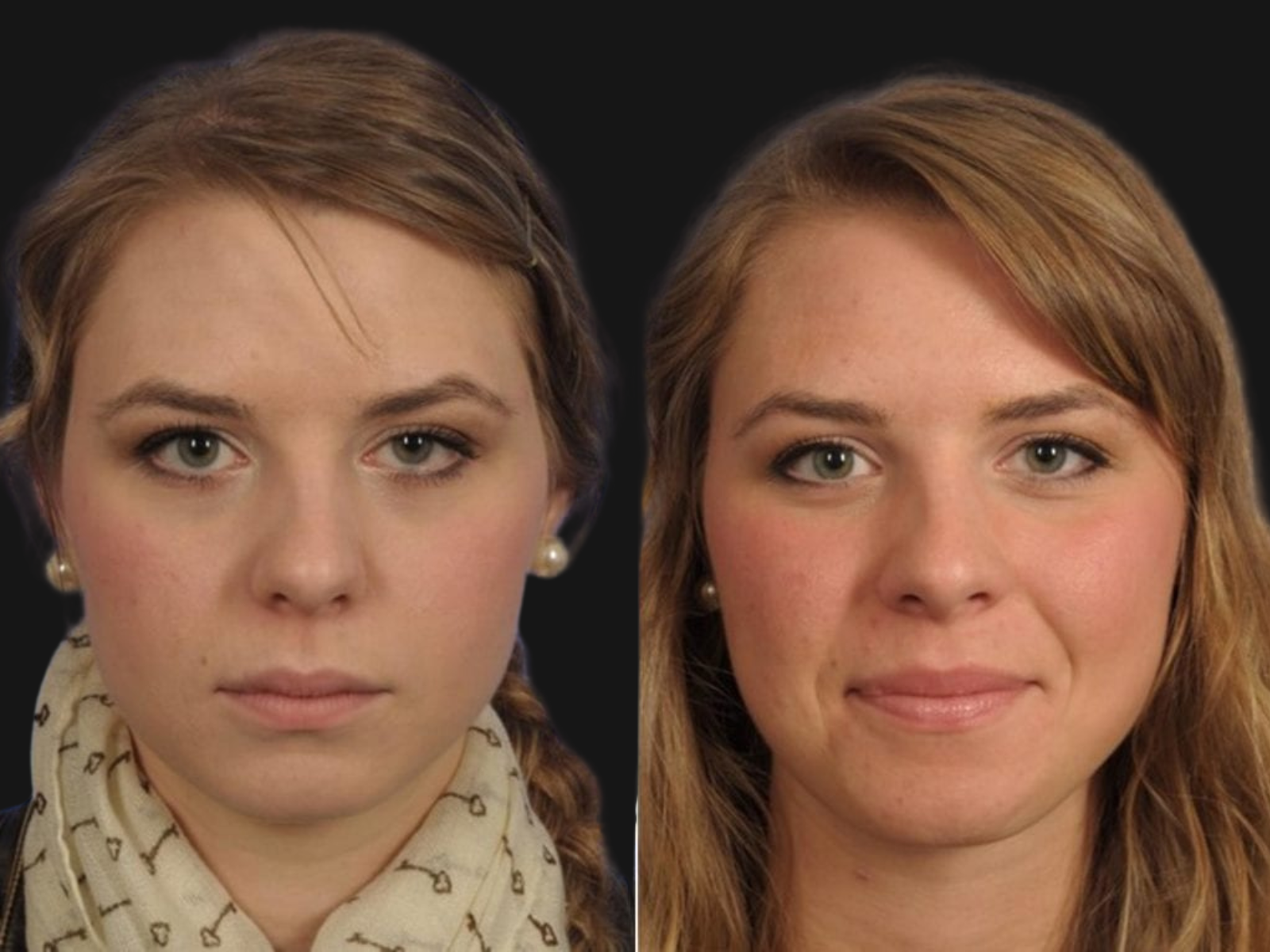
The first signs of myasthenia gravis are often mild and may come and go. Because of this, many people ignore them or attribute them to stress or lack of sleep.
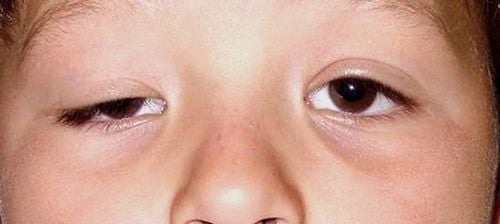
One of the most common early symptoms is drooping of one or both eyelids. This may be more noticeable at the end of the day or after long periods of reading or screen time.
In some cases, people also experience double vision, which can make it difficult to focus on objects or perform daily tasks.
Unlike general fatigue, the muscle weakness in myasthenia gravis has a specific pattern. It becomes more pronounced after repeated use of a muscle and improves after resting.
For example:
Arms may feel heavy after simple activities
Difficulty lifting objects or holding items
Trouble climbing stairs
This “fatigable weakness” is one of the hallmark signs of the condition.
As the disorder progresses, it may affect muscles involved in communication and eating.
Common signs include:
Slurred or nasal speech
Difficulty chewing, especially tougher foods
Choking or trouble swallowing
These symptoms often worsen later in the day or after prolonged use of the muscles involved.
People with myasthenia gravis may develop a tired or expressionless face. Smiling may appear uneven or weak, and facial movements can feel strained.
This happens because the facial muscles are not receiving strong enough signals from the nerves.
The condition can also affect larger muscle groups:
Difficulty holding the head upright
Weakness in the arms or legs
Trouble maintaining posture
These symptoms may fluctuate throughout the day, often improving after rest.
In more advanced stages, the muscles responsible for breathing may become weak. This can lead to shortness of breath or difficulty breathing, especially during physical activity.
In rare but serious cases, this can develop into a myasthenic crisis, which requires immediate medical attention.
Diagnosis typically involves a combination of medical history, physical examination, and specialized tests. Doctors may use blood tests to detect antibodies, nerve conduction studies to assess muscle response, and imaging scans to evaluate the thymus gland.
One important clue doctors look for is how muscle strength changes with repeated use and rest.
Because the symptoms can be mild and inconsistent, many people delay seeking help. However, early diagnosis allows for better management of the condition and reduces the risk of complications.
With proper treatment, many individuals with myasthenia gravis can lead active and fulfilling lives.
You should seek medical advice if you notice:
Persistent drooping eyelids or double vision
Muscle weakness that worsens with activity
Difficulty speaking, chewing, or swallowing
Unusual fatigue in specific muscle groups
Even if symptoms seem minor, it is always better to investigate early.

Myasthenia gravis is a condition that often begins quietly, with symptoms that are easy to overlook. However, these early signs are your body’s way of signaling that something may be wrong.
Pay attention to patterns of muscle weakness and fatigue, especially if they worsen with activity. Acting early can lead to faster diagnosis, more effective treatment, and a better quality of life.
Listening to your body is the first step toward protecting your health.
What one slice of papaya does to your body might surprise you?
Recognize These 6 Early Stomach Cancer Symptoms—It Could Save Your Life

A str.oke may give warning signals as early as 90 days beforehand

5 water-drinking mistakes you should avoid

Eating Okra? Here’s How It Affects Your Body
Don’t Ignore Your Feet — 2 Clues They May Be Hiding a Silent Killer

5 egg-eating mistakes that can negatively affect your health

15 incredible uses of purslane, the overlooked plant with massive value

3 types of water you should avoid putting in a thermos

You Won’t Believe What Happens When You Drink Aloe Vera Juice Every Day

You Won’t Believe What Happens to Your Body When You Eat Carrots

You Won’t Believe What Happens When You Drink Hot Water Before Sleep

Liver cancer in young people rises—diet risks under review.
Stop These Habits Before Bed — Your Body Will Thank You

Experts explain surprising health effects of eating pumpkin.

Drink This Daily and Support a Flatter Stomach”

You Might Be Taking Something More Dangerous Than You Think
This Daily Habit Has Hidden Effects on Your Health
Feel Tired All the Time? It Might Be Your Circulation
Recognize These 6 Early Stomach Cancer Symptoms—It Could Save Your Life

What does it mean when women cross their legs?
A str.oke may give warning signals as early as 90 days beforehand
5 water-drinking mistakes you should avoid
Eating Okra? Here’s How It Affects Your Body
Don’t Ignore Your Feet — 2 Clues They May Be Hiding a Silent Killer
5 egg-eating mistakes that can negatively affect your health
15 incredible uses of purslane, the overlooked plant with massive value
3 types of water you should avoid putting in a thermos
You Won’t Believe What Happens When You Drink Aloe Vera Juice Every Day
You Won’t Believe What Happens to Your Body When You Eat Carrots
You Won’t Believe What Happens When You Drink Hot Water Before Sleep

Simple mop water hack leaves floors clean, shiny, and fresh.
Liver cancer in young people rises—diet risks under review.

How you cook rice may affect blood sugar levels.
Stop These Habits Before Bed — Your Body Will Thank You

Loose belly skin in cats: normal trait or health concern?
Experts explain surprising health effects of eating pumpkin.
Drink This Daily and Support a Flatter Stomach”