Garlic is a kitchen essential used in cuisines around the world. Whether you’re cooking everyday meals or preparing something special, choosing the right type of garlic can make a noticeable difference in flavor, aroma, and even health benefits.
When shopping, many people notice two common varieties: white-skinned garlic and purple-skinned garlic. At first glance, the difference may seem purely visual—but in reality, each type has its own characteristics, strengths, and ideal uses.
Let’s break it down so you can choose the best option for your needs.
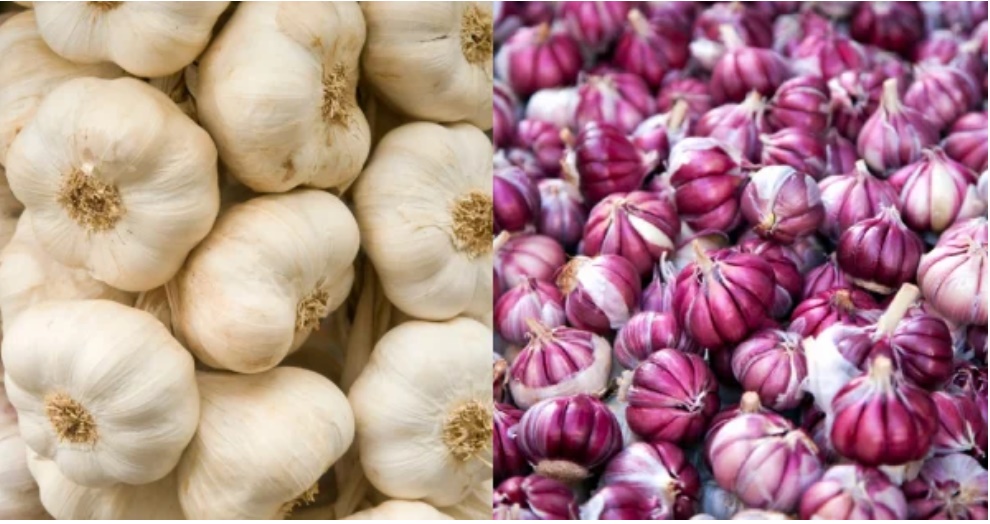
Understanding the Two Types
White Garlic
White garlic is the most widely available variety in supermarkets.
Key features:
- Smooth white outer skin
- Larger bulbs with more uniform cloves
- Mild to moderate flavor
- Longer shelf life
It is commonly used for everyday cooking due to its availability and versatility.
Purple Garlic
Purple garlic (sometimes called hardneck garlic) is often considered more premium.
Key features:
- Purple or streaked outer skin
- Fewer but larger cloves
- Stronger, richer flavor
- Shorter storage life
It is often preferred by chefs and food enthusiasts for its more intense taste.
Flavor Differences: Mild vs Bold
One of the biggest differences lies in flavor.
- White garlic → milder, slightly sweet when cooked
- Purple garlic → stronger, more complex, slightly spicy
Which should you choose?
- For subtle dishes → white garlic works well
- For bold flavors (stir-fries, sauces, marinades) → purple garlic is better
Nutritional Differences
Both types are rich in beneficial compounds, especially allicin, which gives garlic its health properties.
However:
- Purple garlic is often believed to contain slightly higher antioxidant levels
- It may offer stronger anti-inflammatory benefits
That said, the difference is not extreme—both are healthy choices.
Shelf Life and Storage
White Garlic
- Stores longer (several months)
- More suitable for bulk buying
- Ideal for everyday household use
Purple Garlic
- Shorter shelf life
- Best used fresh
- More sensitive to storage conditions
If you don’t cook garlic often, white garlic may be more practical.
Texture and Cooking Performance
White Garlic
- Holds up well during long cooking
- Becomes soft and slightly sweet
- Good for soups, stews, and slow-cooked dishes
Purple Garlic
- More aromatic when crushed or chopped
- Releases stronger flavor quickly
- Ideal for quick cooking or raw use (like sauces or dressings)

Price and Availability
- White garlic → more affordable and widely available
- Purple garlic → often more expensive and seasonal
If budget is a concern, white garlic is usually the go-to option.
How to Choose Fresh Garlic (Regardless of Type)
No matter which variety you pick, freshness matters most.
Look for:
- Firm, tight bulbs
- Dry outer skin
- No soft spots or mold
Avoid:
- Sprouting cloves
- Mushy texture
- Strong unpleasant smell
Fresh garlic will always give better flavor and nutritional value.
Which One Should You Choose?
Choose White Garlic If:
- You want something affordable and long-lasting
- You cook regularly and need a reliable staple
- You prefer a milder flavor
Choose Purple Garlic If:
- You want stronger, richer taste
- You’re preparing dishes that highlight garlic flavor
- You prefer fresh, high-quality ingredients
Final Thoughts
There’s no single “better” choice between white and purple garlic - it all depends on your cooking style, taste preference, and how often you use it.
White garlic is practical and versatile, while purple garlic offers a more intense and refined flavor experience. Knowing the difference allows you to choose more intentionally and get the best out of your meals.
Sometimes, a small decision - like picking the right garlic can elevate your cooking more than you expect.