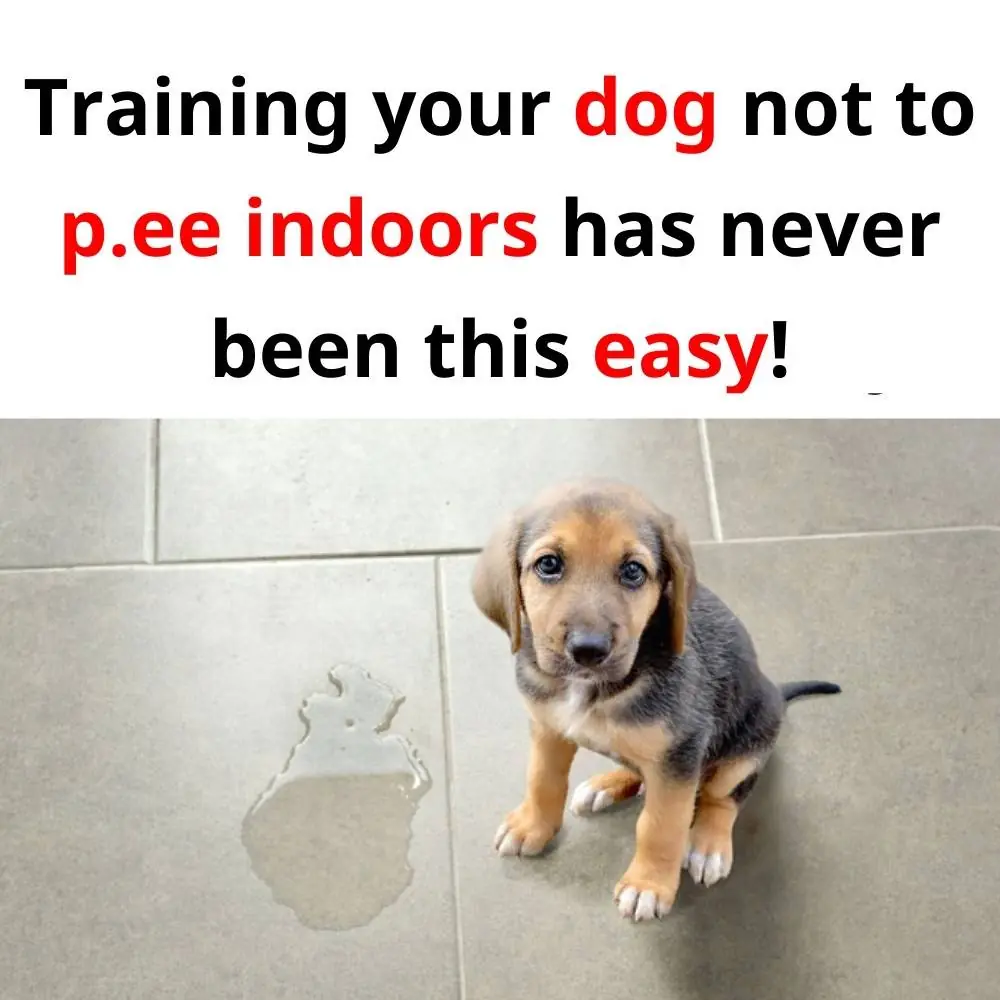
Indoor urination can stem from various causes, including insufficient training, anxiety, territorial marking, or health problems. Puppies might not yet understand where and when to relieve themselves, while older dogs may face incontinence or medical issues. Identifying the root cause is key to addressing the behavior with compassion and effectiveness.
This guide offers practical and effective tips to help prevent your dog from p.eeing indoors, fostering a harmonious home for both you and your pet.
1. Establish a Routine
Dogs thrive on consistency. Creating a regular schedule for feeding, walks, and bathroom breaks helps establish clear expectations. Take your dog outside at predictable times—after meals, in the morning, and before bed—to build a reliable pattern.
2. Designate a Bathroom Spot
Choose a specific outdoor area for your dog to use as their bathroom. Repeated visits to this spot will build familiarity, and the scent left behind will encourage them to return, reinforcing proper habits.
3. Reward Positive Behavior
Immediately reward your dog with praise, treats, or playtime after they successfully go outside. Positive reinforcement builds a connection between the desired behavior and rewards, making them eager to repeat it.
4. Monitor Water Intake
Pay attention to your dog’s water consumption, especially after meals or playtime. While water access shouldn’t be restricted, tracking drinking times can help you anticipate when they’ll need a bathroom break, reducing indoor accidents.
5. Address Anxiety and Behavioral Issues
Anxiety or stress can lead to inappropriate urination. Separation anxiety or household changes often trigger these behaviors. Work with a professional trainer or behaviorist to address these underlying issues and help your dog feel secure.
6. Clean Thoroughly to Remove Odors
Dogs are likely to revisit spots that smell like urine. Use enzymatic cleaners to remove odors completely, preventing your dog from associating those areas with bathroom use.
7. Utilize Crate Training
Crate training can be an effective tool for managing your dog when unsupervised. Dogs naturally avoid soiling their sleeping space, which encourages them to hold their bladder until taken outside.
8. Introduce Bathroom Commands
Teaching verbal cues like “go potty” can help your dog understand what’s expected during outdoor bathroom breaks. Consistent use of these commands fosters a predictable routine.
9. Consult a Veterinarian
If medical issues are suspected, such as urinary tract infections or diabetes, consult your veterinarian. Proper diagnosis and treatment can resolve health-related behaviors, ensuring your dog’s comfort and well-being.
By implementing these strategies, you can create a structured environment that supports your dog’s learning and reduces accidents, making life easier and more enjoyable for everyone in your home.