Growing up, I could always tell when someone in my family wasn't feeling their best. Before anyone reached for a bottle of medicine, my grandma would quietly head to the kitchen, pick up a fresh ginger root, and begin preparing one of her favorite homemade remedies. To her, ginger wasn't just another spice—it was a trusted companion that had been passed down through generations.
Whether it was sore muscles after a long day of gardening, an upset stomach, or the occasional headache, ginger always seemed to have a place in her wellness routine. While modern science has confirmed that ginger contains several beneficial plant compounds, especially gingerols and shogaols, it's important to remember that traditional remedies are not a replacement for professional medical care. Instead, they can be part of a healthy lifestyle that supports overall well-being.
Here are some of the traditional ways my grandma uses ginger for everyday comfort—and what modern research says about this remarkable root.

Why Ginger Has Been Valued for Centuries
Ginger (Zingiber officinale) has been cultivated for more than 5,000 years. It has long been used in traditional Chinese medicine, Ayurveda, and many cultures around the world.
Today, researchers continue to study ginger because it naturally contains compounds that may help support a healthy inflammatory response and provide antioxidant benefits. Although studies have shown promising results for certain conditions, ginger should not be viewed as a cure for pain or disease.
Instead, think of it as one nutritious ingredient that may complement an overall healthy lifestyle.
1. A Warm Cup of Ginger Tea for Morning Stiffness
One of my grandma's favorite rituals begins before breakfast.
She slices several thin pieces of fresh ginger, places them in a pot of water, and lets them simmer for about 10 to 15 minutes. The result is a fragrant tea with a naturally spicy flavor.
She believes that starting the day with warm ginger tea helps her feel more comfortable, especially during cold weather when her joints feel stiff.
Modern research suggests ginger's naturally occurring compounds may support normal inflammatory processes, which is one reason it has attracted scientific attention.
How to make it
Ingredients:
-
1–2 inches fresh ginger root
-
2 cups water
-
Optional: lemon juice
-
Optional: honey
Simply simmer the ginger, strain, and enjoy warm.
2. Ginger and Honey for a Scratchy Throat
Whenever someone in the family developed a mild sore throat, grandma would prepare another simple remedy.
She grated fresh ginger and mixed a small amount with honey.
The soothing texture of honey combined with ginger's warming sensation often provided temporary comfort.
Honey has natural antimicrobial properties, while ginger has traditionally been used to support respiratory comfort.
This mixture is intended for occasional throat soothing—not for treating infections.
3. Ginger Compress for Sore Muscles
After spending hours working in the garden, grandma sometimes experienced tired muscles.
Her solution?
A warm ginger compress.
She would soak a clean cloth in warm ginger-infused water, wring it out, and place it over sore shoulders or aching knees.
The warmth itself can be relaxing, and ginger has long been used traditionally in this way.
Although scientific evidence for ginger compresses is limited, many people find warm compresses generally soothing.
4. Fresh Ginger in Everyday Cooking
Grandma believed that food could support health every day—not only when someone felt uncomfortable.
That's why she added fresh ginger to many meals, including:
-
Soups
-
Stir-fries
-
Vegetable dishes
-
Rice
-
Marinades
Eating ginger regularly as part of a balanced diet provides antioxidants and adds flavor without excess salt.
5. Ginger for Post-Exercise Recovery
Although grandma never called it "exercise recovery," she certainly stayed active.
Gardening, carrying groceries, cleaning the house, and walking every day kept her moving.
After particularly busy days, she often enjoyed warm ginger tea.
Some research suggests ginger may help reduce delayed-onset muscle soreness following strenuous physical activity, although results vary among individuals.
:quality(75)/meo_bao_quan_gung_tuoi_9213d5fadb.jpg)
6. Ginger and Lemon Wellness Drink
Another family favorite combines fresh ginger with lemon.
Grandma prepares it by adding sliced ginger to hot water, then squeezing in fresh lemon juice once the water has cooled slightly.
Sometimes she adds a teaspoon of honey.
This refreshing drink contains:
-
Vitamin C from lemon
-
Antioxidants from ginger
-
Plenty of hydration
Together, these ingredients make a comforting beverage during colder months.
7. Ginger in Homemade Soup
Whenever someone wasn't feeling their best, chicken soup was never complete without ginger.
Grandma believed ginger made the broth more warming and flavorful.
Whether added to chicken soup, vegetable soup, or lentil soup, fresh ginger contributes both taste and nutrition.
Warm soups also help keep the body hydrated.
8. Ginger Smoothies
On warmer days, grandma enjoys ginger in a different way.
She blends a small piece of fresh ginger with:
-
Banana
-
Pineapple
-
Mango
-
Spinach
-
Yogurt
-
Almond milk
The result is a refreshing smoothie with a pleasant spicy kick.
Pineapple contains bromelain, another natural compound studied for its potential role in supporting healthy inflammatory responses.
9. Ginger Foot Soak
One of grandma's oldest traditions involves soaking tired feet after a long day.
She adds freshly sliced ginger to hot water, lets it steep, then pours the infusion into a basin once it has cooled to a comfortable temperature.
Although there is little scientific evidence that ginger itself provides benefits through a foot soak, soaking feet in warm water may promote relaxation and temporary comfort.
For grandma, the ritual is just as important as the ingredients.
10. Ginger During Cold Weather
Every winter, ginger seems to appear in nearly every meal.
Grandma adds it to:
-
Herbal teas
-
Warm cereals
-
Rice porridge
-
Vegetable stews
-
Baked dishes
Its spicy flavor creates a pleasant warming sensation, making it a favorite seasonal ingredient.
What Makes Ginger Special?
Scientists have identified several naturally occurring compounds in ginger that contribute to its unique properties.
These include:
-
Gingerols
-
Shogaols
-
Zingerone
-
Paradols
Together, these compounds have demonstrated antioxidant and anti-inflammatory activity in laboratory studies.
Researchers continue studying how these compounds may support human health.
Other Potential Benefits of Ginger
In addition to its traditional use for everyday aches, ginger has also been researched for its potential role in supporting:
-
Digestive comfort
-
Occasional nausea
-
Healthy circulation
-
Muscle recovery
-
Immune system function
-
Blood sugar regulation
-
Heart health
While many findings are encouraging, more high-quality clinical research is needed before firm conclusions can be drawn for several of these areas.
Tips for Choosing Fresh Ginger
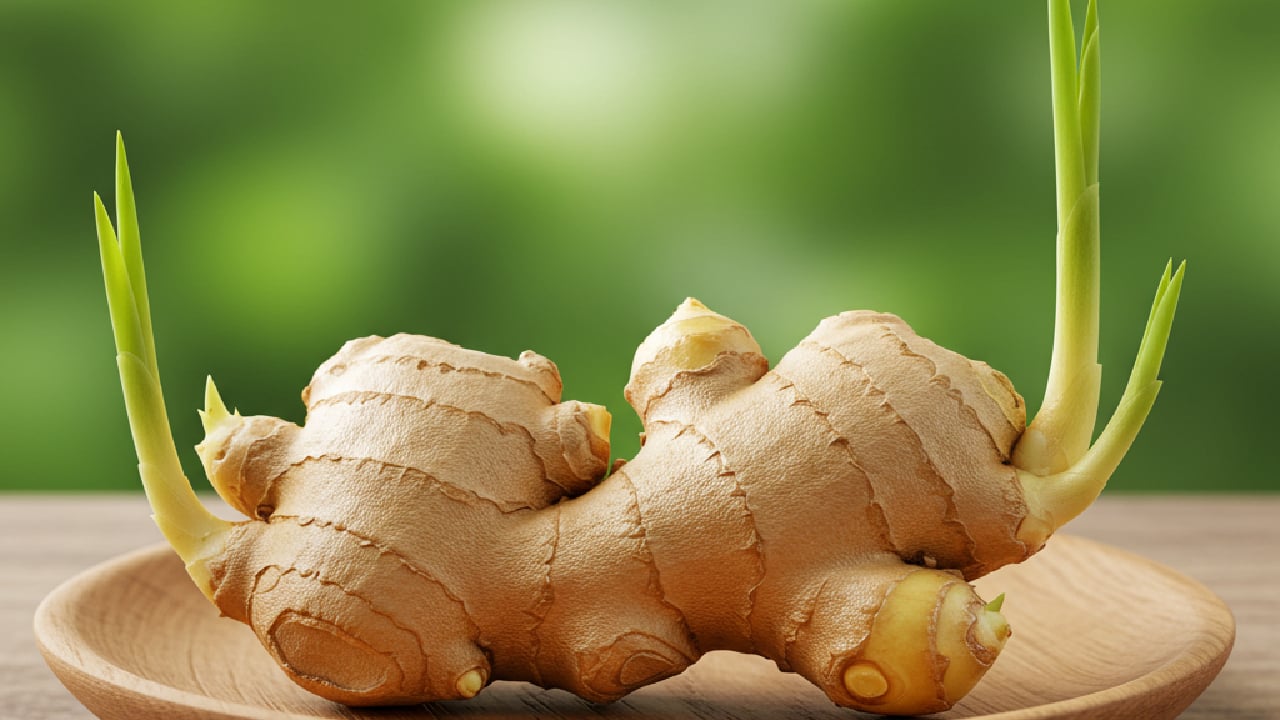
When shopping for ginger, look for roots that are:
-
Firm and heavy
-
Smooth rather than wrinkled
-
Free of mold
-
Light tan in color
Fresh ginger can be stored in the refrigerator for several weeks or frozen for even longer.
Can Everyone Use Ginger?
Although ginger is generally considered safe as a culinary ingredient, it may not be suitable for everyone in large amounts.
Speak with your healthcare provider before consuming ginger supplements or large quantities if you:
-
Take blood-thinning medications.
-
Have gallbladder disease.
-
Are pregnant or breastfeeding.
-
Have a chronic medical condition.
-
Take medications for diabetes or high blood pressure.
Using ginger in normal cooking is generally well tolerated for most healthy adults.
Bringing Grandma's Wisdom Into Modern Life
One of the most valuable lessons my grandma taught wasn't that ginger could solve every problem—it was that small, consistent habits often matter most. She believed in nourishing the body with wholesome foods, staying active, getting enough rest, and using simple kitchen ingredients to support everyday wellness.
Today, science continues to explore many of the same traditions she practiced. While ginger is not a miracle cure and should never replace appropriate medical treatment for persistent or severe pain, it remains a nutritious, flavorful ingredient with a long history of traditional use.
Whether enjoyed as a comforting cup of tea, stirred into soup, blended into a smoothie, or added to your favorite recipes, ginger is an easy way to bring both flavor and a touch of time-honored wellness into your daily routine. Combined with a balanced diet, regular physical activity, quality sleep, and guidance from your healthcare provider, this humble root can be a meaningful part of an overall healthy lifestyle.