
Don't Dismiss Hip Pain—It Could Be Linked to an Underlying Condition
These Common Conditions May Be Causing Your Hip Pain—Learn the Signs
Health 22/07/2026 00:00
There isn't a one-size-fits-all answer when it comes to showering. Your age, lifestyle, climate, skin type, and activity level all play important roles in determining how often you should bathe. Surprisingly, showering too frequently can sometimes do more harm than good.
Many people grow up believing that taking a shower every single day is essential for good hygiene. While daily bathing is perfectly appropriate for some individuals, dermatologists and healthcare experts have found that the ideal shower routine varies from person to person.
The skin is covered by a natural protective barrier composed of oils, beneficial bacteria, and moisture that help keep it healthy. Excessive washing—especially with hot water and harsh soaps—may strip away these natural defenses, potentially leading to dryness, irritation, and increased sensitivity.
Understanding what your body actually needs can help you maintain healthier skin while practicing proper hygiene.
For many healthy adults, showering once a day is common and often beneficial, particularly if they:
However, experts suggest that some people may not need to shower every day. Showering every other day or several times a week can be perfectly acceptable when combined with good personal hygiene practices.
Your shower frequency should ultimately depend upon:
The goal isn't necessarily to shower more often—it's to shower appropriately.
Although cleanliness is important, excessive bathing can sometimes negatively affect your skin.
Over-showering may contribute to:
Hot showers can intensify these effects because warm water removes protective oils more quickly than lukewarm water.
Individuals with naturally dry skin, eczema, or sensitive skin may especially benefit from shorter showers using gentle cleansers.
Small changes can make a significant difference in maintaining healthy skin.
There is no universal schedule that works for everyone.
Most adults can comfortably shower:
If you exercise regularly or sweat heavily, daily showers may be appropriate.
As we age, our skin naturally becomes thinner and drier. Older adults may benefit from:
This approach may help preserve the skin's natural moisture barrier.
Young children usually do not require daily baths unless they become dirty or sweaty. Pediatric recommendations often vary according to:
Individuals who participate in sports or strenuous exercise should generally shower after workouts to remove sweat and reduce the risk of skin irritation.
Where you live significantly affects your bathing needs.
People living in warm environments often experience:
More frequent showers may improve comfort and hygiene.
In colder seasons, excessive showering can contribute to:
Reducing shower frequency slightly and using moisturizers may help maintain healthy skin during winter months.
Listening to your body's signals is often more useful than following rigid rules.
Your skin frequently provides helpful clues about whether your bathing habits are working well.
You may be showering too often if you experience:
On the other hand, you may benefit from showering more frequently if you notice:
Adjusting your routine according to these signs may help improve overall skin comfort.
Regardless of how often you shower, certain habits can promote healthier skin.
Long showers may remove beneficial oils unnecessarily.
Experts commonly recommend:
Harsh soaps can contribute to dryness and irritation.
Look for products that are:
Applying moisturizer shortly after drying off helps lock moisture into the skin.
The best time is usually:
It's not always necessary to vigorously scrub every inch of skin during every shower.
Pay particular attention to:
Gentler cleansing elsewhere may help preserve the skin barrier.
Interestingly, showering isn't only about cleanliness.
Research suggests that taking a warm shower approximately one to two hours before bedtime may help promote better sleep for some individuals. The body's cooling process afterward can contribute to feelings of relaxation and support normal sleep patterns.
Many people also find that showering helps:
The benefits of showering extend well beyond hygiene alone.
There is no perfect number of showers that applies to everyone.
Instead, consider:
Some individuals thrive with daily showers, while others maintain healthy skin by showering less frequently.
The healthiest routine is usually one that keeps both your skin and your hygiene in balance.
Showering is an important part of personal hygiene, but more isn't always better. Experts generally agree that individual needs vary widely, and paying attention to your body's signals can help you determine what works best.
If your skin feels healthy, comfortable, and well-moisturized, your routine is probably serving you well. If dryness or irritation becomes a recurring issue, small adjustments—such as shortening shower time or reducing frequency—may make a meaningful difference.
Maintaining good hygiene doesn't necessarily mean following the same schedule as everyone else. Finding the right balance between cleanliness and skin health is what truly matters.
Disclaimer: This article is intended for educational purposes only and should not replace professional medical advice. Individuals with chronic skin conditions or specific health concerns should consult a qualified healthcare professional for personalized recommendations.
These Common Conditions May Be Causing Your Hip Pain—Learn the Signs

⚠️ Don't Ignore Hip Pain—It May Be Linked to More Than You Think

😨 Small Changes Could Point to Kidney Problems—Here's What Experts Say to Watch For
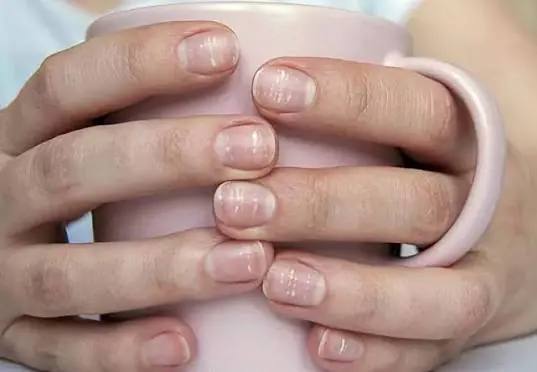
These Unexpected Nail Changes May Signal an Underlying Health Issue 👇

5 Common Mini Stroke Warning Signs Every Family Should Recognize

Can Diet and Lifestyle Help Reduce Bloating? Here's What We Know

8 Common Claims About Castor Oil and Baking Soda

Many People Soak Their Feet in Apple Cider Vinegar - Here's Why

He Believed Lemon Water Would Help His Bl00d Pressure - What Happened After Two Years May Surprise You

Healthy Aging: What Science Says About 12 Everyday Habits

Doctors Find a Possible Link to Eating One Type of Pickled Vegetable for Nearly 10

Doctors Warn It Can Be More Toxic Than Arsenic if Prepared Incorrectly

Your Liver May Be Sending Quiet Warning Signals

54-Year-Old Woman Thought Ginger Was Healthy Ate It Daily for 3 Months and Paid a Painful Price
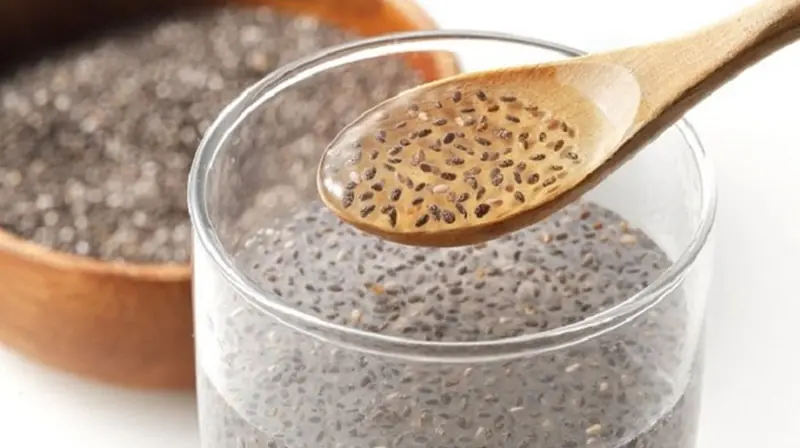
Drinking Chia Seed Water Every Day: Potential Benefits and What You Should Know

Doctors reveal that eating avocados causes… see more

Scientists Were Surprised by the One Root Vegetable Everyone in This Village Eats Daily

Not all chicken is created equal: 3 parts you may want to avoid.

He Ate Raw Garlic Every Morning for 6 Years—Then Doctors Made a Shocking Discovery

A Natural Source of Collagen You May Be Overlooking
These Common Conditions May Be Causing Your Hip Pain—Learn the Signs
⚠️ Don't Ignore Hip Pain—It May Be Linked to More Than You Think
😨 Small Changes Could Point to Kidney Problems—Here's What Experts Say to Watch For
These Unexpected Nail Changes May Signal an Underlying Health Issue 👇
5 Common Mini Stroke Warning Signs Every Family Should Recognize
Can Diet and Lifestyle Help Reduce Bloating? Here's What We Know
8 Common Claims About Castor Oil and Baking Soda
Many People Soak Their Feet in Apple Cider Vinegar - Here's Why

25-Year-Old Man Suffers Kidney Failure After Just One Bite
He Believed Lemon Water Would Help His Bl00d Pressure - What Happened After Two Years May Surprise You
Healthy Aging: What Science Says About 12 Everyday Habits

What Should You Do If a Bird Flies Into Your House?
Doctors Find a Possible Link to Eating One Type of Pickled Vegetable for Nearly 10
Doctors Warn It Can Be More Toxic Than Arsenic if Prepared Incorrectly
Your Liver May Be Sending Quiet Warning Signals

Baking Soda: 12 Everyday Uses Worth Knowing
54-Year-Old Woman Thought Ginger Was Healthy Ate It Daily for 3 Months and Paid a Painful Price
Drinking Chia Seed Water Every Day: Potential Benefits and What You Should Know
Doctors reveal that eating avocados causes… see more
Scientists Were Surprised by the One Root Vegetable Everyone in This Village Eats Daily