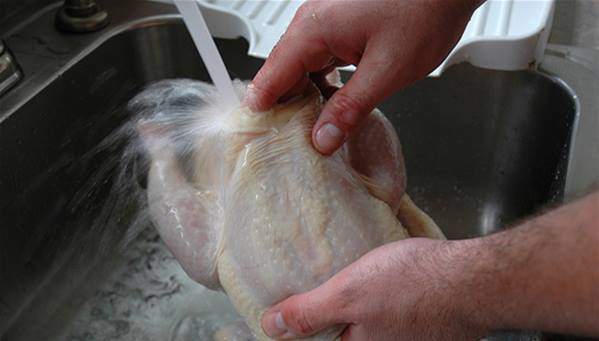
When you buy chicken from the supermarket, you expect it to be safe and ready to cook. However, many people are concerned about potential chemical residues such as preservatives, processing agents, or bacteria that may remain on the surface of the meat. While it’s important to clarify that most commercially sold chicken is regulated and safe to consume, proper cleaning and handling can still help improve hygiene and give you peace of mind.
This guide will walk you through safe, effective, and realistic methods to clean store-bought chicken - without falling for myths or unsafe practices.
Understanding the “Chemicals” in Chicken
Before jumping into cleaning methods, it’s essential to understand what people mean by “chemicals.” In most cases, these include:
- Residual blood and fluids from processing
- Surface bacteria such as Salmonella or Campylobacter
- Processing aids like chlorine washes (used in some countries)
- Odor-causing compounds from packaging
It’s important to note that you cannot completely remove all chemicals from chicken through washing. However, you can reduce surface impurities and improve cleanliness.
Step 1: Start with Proper Handling
Before cleaning the chicken, make sure your kitchen setup is safe:
- Wash your hands thoroughly with soap
- Clean all surfaces, knives, and cutting boards
- Keep raw chicken separate from other foods
Cross-contamination is actually a bigger risk than the chicken itself.
Step 2: Rinse (Optional and Controversial)
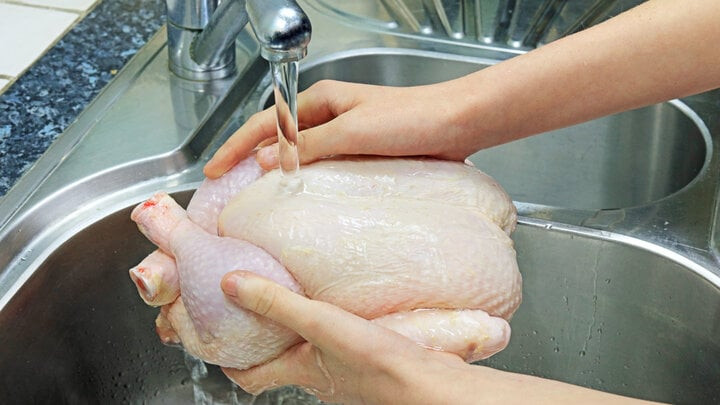
Some people choose to rinse chicken under cold running water. While this may help remove loose debris or blood, food safety experts often advise against it because:
- It can spread bacteria through water splashes
- It does not effectively remove microorganisms
If you still prefer rinsing:
- Use gentle, low-pressure water
- Avoid splashing
- Immediately sanitize surrounding areas
Step 3: Use Salt or Vinegar Solution
A common household method to “clean” chicken involves soaking it briefly in a mild solution:
Option A: Salt Water
- Mix 1–2 tablespoons of salt in a bowl of water
- Soak the chicken for 5–10 minutes
- Rinse lightly and pat dry
Salt can help draw out impurities and reduce odors.
Option B: Vinegar Solution
- Mix 1 part vinegar with 3 parts water
- Soak chicken for 5 minutes
- Rinse thoroughly afterward
Vinegar has mild antibacterial properties and can help neutralize smells.
Important: Do not soak for too long, as this can affect texture and taste.
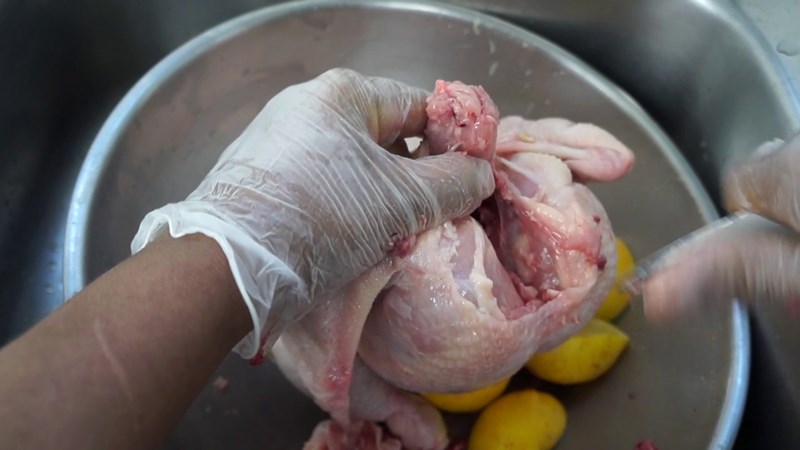
Step 4: Lemon and Salt Scrub (Optional)
For additional odor removal:
- Rub the chicken with lemon juice and salt
- Let it sit for a few minutes
- Rinse lightly and pat dry
This method is popular in many cultures and helps freshen the meat.
Step 5: Pat Dry and Store Properly
After cleaning:
- Use paper towels to pat the chicken dry
- Store it in a clean container
- Keep refrigerated and cook within 1–2 days
Drying the chicken also helps achieve better texture when cooking.
Step 6: Cook Thoroughly – The Most Important Step
No cleaning method is as effective as proper cooking.
- Cook chicken to an internal temperature of 75°C (165°F)
- This kills harmful bacteria completely
- Avoid undercooking, especially near the bone
Cooking is the only reliable way to ensure safety.
Common Myths to Avoid
❌ Myth: Washing chicken removes all bacteria
→ False. It only spreads them around.
❌ Myth: Chemicals can be completely eliminated
→ Not realistic. Regulations already limit harmful substances.
❌ Myth: Soaking overnight is better
→ This can damage the meat and increase contamination risk.
Final Thoughts
Cleaning store-bought chicken is more about reducing surface impurities and improving hygiene than eliminating every trace of chemicals. The key is to use safe, simple methods and focus on proper cooking.
If you follow good kitchen practices - clean handling, minimal soaking, and thorough cooking you can enjoy chicken that is both safe and delicious.