A slow or blocked drain is one of those annoying household problems that seems small at first but can quickly become a major inconvenience. Water may take longer than usual to disappear, the sink may begin filling while you wash dishes, or you may notice an unpleasant smell coming from the drain.
The good news is that many minor drain blockages can be addressed at home using simple tools and household methods.
The key is to identify what is likely causing the blockage and choose an appropriate method. A buildup of hair, soap, food particles, grease, or mineral deposits may respond to different approaches.
Before reaching for harsh chemicals, try some of the simpler methods below.

Why Do Drains Become Blocked?
Understanding the cause of a blockage can make it easier to clear.
Common causes include:
-
Hair
-
Soap residue
-
Food particles
-
Cooking grease
-
Coffee grounds
-
Dirt
-
Mineral deposits
-
Small objects
-
Accumulated debris
Bathroom drains are especially vulnerable to hair and soap buildup, while kitchen drains commonly become clogged by grease, food scraps, and other debris.
Sometimes several materials combine to create a dense blockage.
For example, hair can trap soap residue and create a sticky mass that gradually restricts water flow.
1. Start With Hot Water
One of the simplest methods for a slow drain is hot water.
For kitchen drains, hot water can help soften and move some greasy residue.
How to try it
-
Remove standing water if possible.
-
Heat a generous amount of water.
-
Pour it slowly into the drain.
-
Wait several minutes.
-
Run the faucet and see whether drainage improves.
For some drains, very hot water can help loosen buildup.
However, don't assume boiling water is safe for every plumbing system. Extremely hot water can potentially damage certain plastic pipes, seals, or fixtures.
If you're unsure what type of plumbing you have, use very hot tap water rather than pouring large amounts of boiling water directly into the drain.
2. Try a Plunger
A plunger is one of the most useful tools for household drain problems.
It works by creating pressure that can help dislodge a blockage.
For a sink
If there is enough water to cover the plunger cup, place it firmly over the drain.
Pump the plunger up and down several times while maintaining a good seal.
Then lift it and see whether the water begins draining.
You may need to repeat the process.
Important tip
If you're working on a sink with two basins, block the other drain opening with a stopper or wet cloth.
This helps create better pressure.
3. Use a Drain Snake or Hair Removal Tool
For bathroom sinks and showers, hair is one of the most common causes of slow drainage.
A simple plastic drain-cleaning tool or small hand auger can sometimes remove the blockage directly.
Insert the tool carefully into the drain.
Depending on the design, you may be able to hook or grab hair and debris.
Pull it out slowly and dispose of the material.
You may be surprised by how much hair can accumulate inside a drain.
4. Clean the Drain Stopper
Sometimes the blockage isn't deep inside the plumbing at all.
It may be sitting directly beneath the drain stopper.
Remove the stopper if it is designed to come out.
Clean away:
-
Hair
-
Soap residue
-
Slime
-
Dirt
-
Other debris
Then rinse the stopper thoroughly and reinstall it.
This simple step can restore normal drainage in some bathroom sinks.
5. Clean the P-Trap
The P-trap is the curved section of pipe underneath many sinks.
Its purpose is to hold a small amount of water that helps prevent sewer gases from entering the home.
But debris can also collect there.
If a sink remains blocked after trying a plunger, the P-trap may be worth checking.
Before removing it
Place a bucket underneath the trap.
Loosen the fittings carefully and allow the water inside to drain into the bucket.
Clean out accumulated debris.
Then reinstall the trap securely and check for leaks.
If the fittings are difficult to remove or the plumbing is old and corroded, don't force them.
You could turn a simple clog into a leaking pipe.
6. Try Baking Soda and Vinegar Carefully
You've probably seen the famous combination:
Baking soda + vinegar
The reaction produces fizzing that can help loosen some light residue.
However, this method is often exaggerated online.
It is not a guaranteed solution for a serious blockage, and the chemical reaction is relatively limited compared with mechanical methods such as plunging or snaking.
If you want to try it:
-
Remove as much standing water as possible.
-
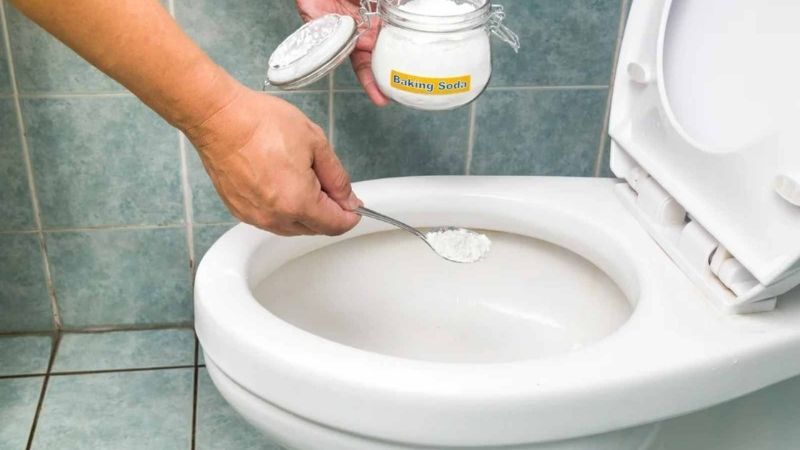
Pour some baking soda into the drain.
-
Add vinegar.
-
Allow the mixture to fizz for several minutes.
-
Rinse with warm water.
Avoid using this method if you've recently poured a commercial drain cleaner into the drain.
7. Don't Mix Different Drain Cleaners
This is extremely important.
Never mix commercial drain cleaners with:
-
Vinegar
-
Bleach
-
Ammonia
-
Other drain cleaners
-
Household cleaning chemicals
Some combinations can produce dangerous gases or violent chemical reactions.
If you've already used a chemical drain cleaner, follow the product's instructions carefully and avoid adding another chemical product.
8. Use Dish Soap for Greasy Kitchen Drains
If the problem appears to be related to grease, a small amount of dishwashing liquid followed by hot water may help loosen some residue.
Dish soap is designed to help break down grease.
Try this approach
-
Add a small amount of dish soap to the drain.
-
Follow with hot water.
-
Wait several minutes.
-
Run warm water again.
This may help with a mild grease-related slowdown, but it won't necessarily remove a solid blockage.
9. Never Pour Cooking Grease Down the Drain
Prevention is much easier than unclogging.
Cooking fats and oils may be liquid when hot, but they can cool and solidify inside plumbing.
Over time, grease can combine with food debris and create stubborn deposits.
Instead:
-
Let grease cool.
-
Pour it into an appropriate container.
-
Dispose of it according to local waste guidelines.
Even small amounts of oil repeated over time can contribute to plumbing problems.
10. Avoid Putting Coffee Grounds Down the Sink
Coffee grounds are often mistakenly treated as harmless because they're small.
But they don't dissolve easily.
Instead, they can accumulate and combine with grease or other debris.
Dispose of used coffee grounds in:
-
Compost
-
Household waste
-
Another appropriate collection method
rather than washing them down the drain.
11. Use a Sink Strainer
A simple sink strainer can prevent many clogs before they happen.
In the kitchen, a strainer can catch:
-
Food scraps
-
Vegetable pieces
-
Pasta
-
Rice
-
Other debris
In the bathroom, a hair catcher can significantly reduce the amount of hair entering the drain.
This is one of the easiest long-term solutions.
12. Clean Shower Drains Regularly
You don't have to wait until water stops draining.
Every few weeks, remove visible debris from the shower drain.
Pay particular attention to hair.
A small amount of routine cleaning can prevent a much larger blockage later.
13. Flush the Drain With Warm Water Regularly
If your sink is functioning normally, occasionally running warm water through it can help reduce minor residue.
This is particularly useful in the kitchen.
However, regular flushing isn't a substitute for proper grease disposal.
Don't use large quantities of boiling water simply as a routine maintenance strategy if you're unsure whether your plumbing can tolerate it.
14. Try a Wet/Dry Vacuum If You Have One
A wet/dry vacuum can sometimes help remove stubborn blockages.
If the drain configuration allows it, create as tight a seal as possible around the drain opening.
Use the vacuum according to the manufacturer's instructions.
Be cautious around plumbing fixtures and standing water.
This method isn't necessary for most minor clogs, but it can be useful when mechanical plunging doesn't work.
15. Use a Manual Drain Auger for Stubborn Clogs
A hand auger, sometimes called a plumbing snake, can reach deeper into the drain.
The basic process is:
-
Insert the cable into the drain.
-
Turn the handle slowly.
-
Allow the cable to move through the blockage.
-
Work the obstruction loose.
-
Pull the cable back carefully.
-
Flush the drain with water.
Don't force the tool aggressively.
If it won't move, there may be a structural problem or an obstruction that requires professional equipment.
16. What About Salt and Baking Soda?
Some homemade drain-cleaning recipes recommend mixing salt and baking soda.
These ingredients may help with light residue, but they're unlikely to dissolve a serious blockage.
Think of homemade mixtures as minor maintenance methods, not substitutes for mechanical removal of a solid obstruction.
If water is barely moving, a plunger or drain snake is generally a more practical approach.
17. Be Careful With Chemical Drain Cleaners
Commercial chemical drain cleaners can sometimes dissolve certain organic materials.
However, they also have disadvantages.
They can:
-
Cause chemical burns
-
Damage certain plumbing
-
Produce dangerous fumes
-
Harm the environment
-
Make later plumbing work more hazardous
They also don't always solve the underlying problem.
If a blockage is caused by an object or a physical obstruction, pouring more chemicals down the pipe may accomplish very little.
Use chemical products only according to their labels and never mix them.
18. Don't Keep Pouring Products Into a Drain That Won't Clear
If you've tried one method and the drain remains completely blocked, repeatedly adding different products is not a good strategy.
You could create a dangerous mixture or make the eventual repair more difficult.
At that point, consider mechanical removal or professional assistance.
19. Know the Difference Between a Slow Drain and a Complete Blockage
This distinction matters.
Slow Drain
Water still drains, but much more slowly than normal.
This may indicate a partial buildup.
You can often start with:
-
Cleaning the stopper
-
Removing hair
-
Hot water
-
A plunger
-
A manual drain snake
Complete Blockage
Water doesn't drain at all or rapidly backs up.
This may indicate a more substantial obstruction.
Mechanical removal may be necessary.
If multiple fixtures are affected, the problem may be farther down the plumbing system.
20. What If Several Drains Are Blocked?
If your:
-
Kitchen sink
-
Bathroom sink
-
Shower
-
Bathtub
all start draining slowly around the same time, the issue may not be an individual drain.
There could be a problem with a larger section of the home's drainage system.
Likewise, if toilets begin backing up while sinks and showers drain poorly, the problem may be deeper in the main sewer line.
That's a situation where professional plumbing assistance is usually appropriate.
21. Pay Attention to Gurgling Sounds
A drain that makes unusual gurgling or bubbling sounds may indicate trapped air or an obstruction in the plumbing system.
A gurgling drain isn't always an emergency.
But if it occurs along with:
-
Slow drainage
-
Bad odors
-
Water backing up
-
Multiple blocked fixtures
it deserves attention.
22. What Does a Bad Smell From the Drain Mean?
An unpleasant odor may come from accumulated organic material.
Common sources include:
-
Food residue
-
Grease
-
Hair
-
Soap buildup
-
Bacteria
-
A dry trap
If a rarely used drain smells bad, the P-trap may have dried out.
Running some water through the fixture can restore the water seal.
If the odor persists, especially with drainage problems, investigate further.
23. Don't Ignore Water Backing Up
Water backing up into a sink, bathtub, or shower is a sign that something is restricting drainage.
If wastewater backs up from one fixture into another, the obstruction may be farther down the system.
Don't continue running large amounts of water into the plumbing.
This can increase the amount of contaminated water that needs to be cleaned up.
24. When Should You Call a Plumber?
DIY methods are useful for minor blockages.
But some situations call for professional help.
Contact a plumber if:
-
The blockage keeps returning
-
Multiple drains are affected
-
The drain is completely blocked
-
Water backs up repeatedly
-
You suspect a sewer-line problem
-
A pipe is leaking
-
You hear persistent gurgling
-
The plumbing is old or damaged
-
A foreign object is stuck deep inside
-
A drain snake cannot clear the obstruction
Repeated clogs can sometimes indicate a bigger issue such as tree-root intrusion, damaged pipes, poor pipe slope, or buildup inside the main line.
25. What Not to Put Down Your Drain
One of the best ways to prevent blockages is to control what enters the plumbing.
Avoid putting these down kitchen drains:
-
Cooking oil
-
Grease
-
Coffee grounds
-
Eggshells
-
Large food scraps
-
Flour
-
Rice in large quantities
-
Pasta
-
Fibrous vegetable scraps
In bathrooms, avoid flushing or washing down:
-
Hair
-
Wipes not specifically designed and approved for flushing
-
Cotton products
-
Dental floss
-
Paper towels
-
Sanitary products
Even products labeled "flushable" can contribute to plumbing problems, particularly in older or vulnerable systems. The safest option is generally to dispose of wipes in the trash.
26. A Simple Monthly Drain-Maintenance Routine
You don't need complicated products to maintain your drains.
Kitchen
Check the sink strainer.
Remove food debris.
Avoid pouring grease down the drain.
Bathroom
Clean hair from the drain.
Wash the stopper.
Check for slow drainage.
Shower
Remove visible hair regularly.
Clean the drain cover.
Unused Fixtures
Run water occasionally to keep traps from drying out.
These small habits can prevent many minor problems.
27. A Simple Step-by-Step Plan for a Slow Drain
If your drain is only moving slowly, try this sequence:
Step 1: Remove Visible Debris
Clean the stopper and drain opening.
Step 2: Try Warm Water
Use hot tap water, especially for mild kitchen buildup.
Step 3: Use a Plunger
Create a good seal and plunge several times.
Step 4: Remove Hair
Use a drain-cleaning tool if appropriate.
Step 5: Check the P-Trap
If you're comfortable doing so, inspect and clean it.
Step 6: Use a Drain Snake
Try mechanical removal if the blockage appears deeper.
Step 7: Stop If the Problem Persists
If the drain remains blocked or other fixtures are affected, call a professional.
28. Why Prevention Is Better Than Unclogging
A drain rarely becomes blocked instantly.
Usually, material accumulates gradually.
A little hair becomes a larger mass.
A thin layer of grease collects more food particles.
Soap residue sticks to existing debris.
Eventually, the opening becomes narrow enough that water begins draining slowly.
That slow drainage is your warning.
Don't wait until the sink stops draining completely.
Addressing a partial blockage early is usually easier.
29. Can Regular Cleaning Damage Your Plumbing?
It can if you use overly aggressive methods.
For example, repeatedly using strong chemical drain cleaners can potentially damage some plumbing materials.
Likewise, forcing a drain snake too aggressively can damage certain pipes or fittings.
When in doubt, use the gentlest effective method first.
Mechanical methods such as plunging and carefully removing visible debris are often preferable for simple household blockages.
30. Safety Comes First
Before attempting any DIY drain repair:
-
Wear gloves
-
Protect your eyes when appropriate
-
Keep children away from the work area
-
Don't mix cleaning chemicals
-
Read product labels
-
Don't use excessive force
-
Avoid contact with contaminated wastewater
If a chemical cleaner has already been used, tell any plumber who comes to work on the drain.
This information can help them protect themselves from chemical exposure.
Common Drain-Cleaning Myths
Myth 1: Boiling Water Fixes Every Clog
It may help with some grease or residue, but it won't remove every blockage.
Myth 2: Baking Soda and Vinegar Can Dissolve Any Clog
The reaction may help loosen light buildup, but serious blockages often require mechanical removal.
Myth 3: Chemical Cleaner Is Always the Strongest Solution
Not necessarily. A physical obstruction won't disappear simply because you pour more chemicals into the pipe.
Myth 4: If Water Drains Slowly, You Can Ignore It
A slow drain can be an early warning of a developing blockage.
Myth 5: More Cleaner Means Better Results
Using excessive chemicals can increase risk without improving the outcome.
The Bottom Line
A slow or blocked drain doesn't always require an immediate call to a plumber.
For minor blockages, simple household techniques can often help:
Remove visible debris.
Clean the stopper.
Try hot tap water.
Use a plunger.
Remove hair with a drain-cleaning tool.
Inspect the P-trap if appropriate.
Use a manual drain snake for deeper blockages.
At the same time, avoid common mistakes such as pouring grease or coffee grounds down the sink and mixing chemical cleaners.
If several drains are affected, wastewater is backing up, the blockage keeps returning, or DIY methods don't work, the problem may be deeper in the plumbing system.
That's when professional help becomes the safer option.
Final Thoughts
A clogged drain is frustrating, but the solution doesn't always have to involve expensive equipment or harsh chemicals.
Often, the most effective approach is surprisingly simple: identify the likely cause, remove the obstruction mechanically when possible, and prevent the same material from building up again.
A hair catcher in the shower, a sink strainer in the kitchen, proper disposal of cooking grease, and regular cleaning can save you from dealing with a much bigger blockage later.
And if the problem goes beyond a single slow drain, don't keep experimenting with household chemicals.
Know when the DIY approach has reached its limit and call a qualified plumber before a small drainage problem becomes a much more expensive plumbing repair.