Healthy skin doesn't always require an elaborate routine or expensive products. For generations, people have relied on simple household ingredients to care for dry, rough, or irritated skin. Among these staples, petroleum jelly, commonly known by the brand name Vaseline, has remained one of the most widely used skincare products because of its ability to help lock in moisture and protect the skin's natural barrier.
Many people also enjoy combining petroleum jelly with natural ingredients such as honey, aloe vera, oatmeal, or plant oils as part of their personal skincare routines. While some of these combinations may help improve the appearance and feel of the skin, it's important to remember that natural ingredients are not automatically safe or effective for everyone. Scientific evidence varies depending on the ingredient, and homemade mixtures should not replace medical treatment for skin conditions.
If used thoughtfully, these simple combinations may complement a well-rounded skincare routine focused on cleansing, moisturizing, sun protection, and healthy lifestyle habits.
What Is Petroleum Jelly?
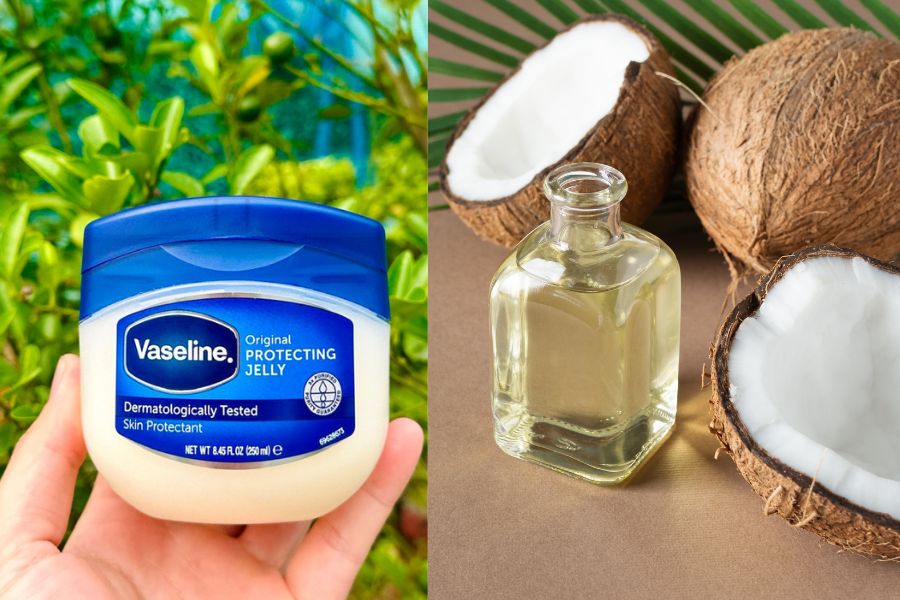
Petroleum jelly is a highly refined mixture of mineral oils and waxes that forms a protective barrier on the surface of the skin.
Unlike moisturizers that add water to the skin, petroleum jelly works primarily as an occlusive, meaning it helps reduce water loss from the skin by sealing in existing moisture.
Dermatologists often recommend it to help:
-
Protect dry skin
-
Support the skin barrier
-
Reduce moisture loss
-
Protect minor chafing
-
Soothe cracked lips
-
Help soften rough areas such as elbows and heels
Because it does not add moisture on its own, it is often most effective when applied to slightly damp skin or over a moisturizer.
Why Combine It with Natural Ingredients?
Some natural ingredients contain compounds that may help hydrate, soothe, or nourish the skin.
Combining them with petroleum jelly may help:
-
Improve moisture retention
-
Soften rough skin
-
Enhance the feel of dry areas
-
Support a simple nighttime skincare routine
Keep in mind that homemade mixtures have not been tested in the same way as commercially formulated skincare products.
1. Petroleum Jelly and Honey
Honey has been used in traditional skincare for centuries.
It naturally contains:
-
Sugars that help attract moisture
-
Antioxidants
-
Small amounts of enzymes and plant compounds
How to use
-
Apply a thin layer of honey to clean skin.
-
Leave it on for 10–15 minutes.
-
Rinse with lukewarm water.
-
Apply a small amount of petroleum jelly afterward to help lock in moisture.
Rather than mixing the two together, applying honey first and petroleum jelly afterward may be less messy and easier to remove.
2. Petroleum Jelly and Aloe Vera Gel
Aloe vera is widely used for its cooling, soothing feel.
Many people enjoy applying aloe vera after:
-
Sun exposure
-
Dry weather
-
Minor skin irritation
After allowing the aloe vera gel to absorb, a thin layer of petroleum jelly can help reduce moisture loss.
Choose a commercially prepared aloe vera gel or fresh aloe only if you know it is appropriate for topical use and you are not sensitive to it.
3. Petroleum Jelly and Oatmeal
Colloidal oatmeal is commonly included in skincare products designed for dry or itchy skin.
It has been studied for its ability to support the skin barrier and relieve itching associated with certain skin conditions.
One option is to:
-
Prepare a colloidal oatmeal paste according to package directions.
-
Apply it to the skin.
-
Rinse if appropriate.
-
Follow with a light layer of petroleum jelly.
This approach may be particularly comforting for very dry skin, but persistent itching or eczema should be evaluated by a healthcare professional.
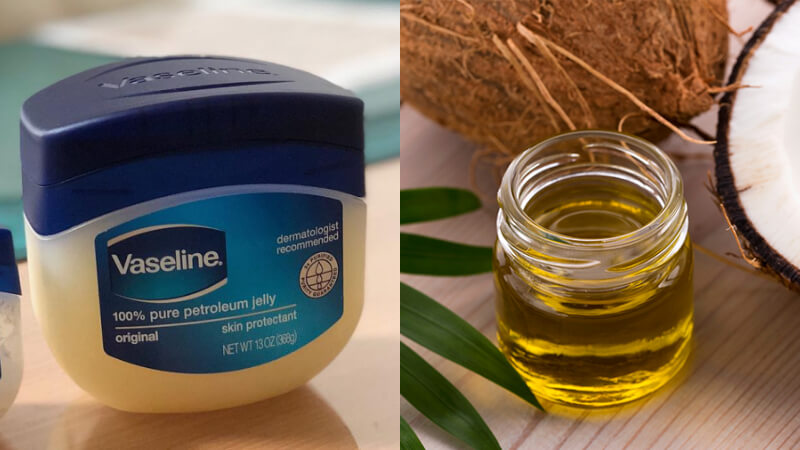
4. Petroleum Jelly and Coconut Oil
Coconut oil is popular in many DIY skincare recipes.
It contains fatty acids that can help soften the skin.
However, coconut oil may clog pores in some individuals, especially those with acne-prone skin.
If you choose to use coconut oil:
-
Apply a small amount to dry areas.
-
Follow with a thin layer of petroleum jelly if desired.
Avoid this combination on acne-prone facial skin unless advised otherwise by a dermatologist.
5. Petroleum Jelly and Sweet Almond Oil
Sweet almond oil is rich in vitamin E and healthy fats.
Many people use it to help soften:
-
Hands
-
Cuticles
-
Elbows
-
Knees
-
Feet
Massage a few drops into the skin before applying petroleum jelly to help seal in moisture.
6. Petroleum Jelly for Dry Lips
One of the simplest and most effective uses of petroleum jelly is lip care.
For extra softness:
-
Gently wipe the lips with a soft, damp cloth.
-
Apply a moisturizing lip product if desired.
-
Finish with a thin layer of petroleum jelly.
This helps reduce moisture loss, especially during cold or dry weather.
7. Overnight Hand Treatment
Hands are exposed to frequent washing, detergents, and environmental conditions.
An overnight treatment can help restore softness.
Try this routine:
-
Apply your favorite hand cream or moisturizer.
-
Seal it in with a thin layer of petroleum jelly.
-
Wear cotton gloves overnight if comfortable.
Many people wake up with noticeably softer hands.
8. Softening Rough Heels
Dry, cracked heels are common, particularly during winter.
A simple bedtime routine includes:
-
Washing and drying your feet.
-
Applying a rich foot cream or moisturizer.
-
Covering the heels with a thin layer of petroleum jelly.
-
Wearing clean cotton socks overnight.
Repeat several nights each week as needed.
If heel cracks become deep, painful, or show signs of infection, consult a healthcare professional.
9. Protecting Dry Elbows and Knees
Elbows and knees naturally have thicker skin and often become dry.
After bathing:
-
Apply moisturizer.
-
Follow with a thin layer of petroleum jelly.
Consistent care often works better than occasional heavy applications.
10. Supporting the Skin Barrier During Cold Weather
Cold temperatures, wind, and indoor heating can dry the skin.
Applying petroleum jelly over moisturizer to exposed areas—such as the hands or around the nose—may help protect against moisture loss during harsh weather.
Important Safety Tips
Even natural ingredients can cause irritation or allergic reactions.
Before trying a new DIY skincare combination:
-
Perform a patch test on a small area of skin.
-
Wait 24–48 hours to check for redness, itching, or irritation.
-
Stop using the product if irritation develops.
Avoid applying homemade mixtures to:
-
Open wounds
-
Infected skin
-
Burns requiring medical care
-
Severe rashes
Common Skincare Myths
Myth: Petroleum jelly moisturizes the skin.
Petroleum jelly primarily locks in moisture rather than adding moisture. For best results, apply it after bathing or over a moisturizer while the skin is still slightly damp.
Myth: Natural ingredients are always safe.
Natural products such as essential oils, honey, or plant extracts can still cause allergic reactions or irritation.
Myth: More product gives better results.
Applying a very thick layer is usually unnecessary. A thin, even layer is often enough to reduce moisture loss.
Myth: DIY recipes work for every skin type.
People with oily, acne-prone, or sensitive skin may respond differently to homemade skincare combinations. Individual results vary.
Daily Habits for Healthy Skin
While topical products play a role, healthy skin also depends on everyday habits.
Support your skin by:
-
Drinking enough water throughout the day.
-
Eating a balanced diet rich in fruits and vegetables.
-
Including healthy fats from foods such as nuts, seeds, and oily fish.
-
Getting 7–9 hours of sleep each night.
-
Managing stress.
-
Avoiding smoking.
-
Wearing sunscreen with broad-spectrum protection during sun exposure.
-
Cleansing your skin gently without over-washing.
These habits contribute to skin health from the inside out.
When Should You See a Dermatologist?
Consult a healthcare professional if you experience:
-
Persistent dryness despite regular moisturizing
-
Painful cracks that bleed or become infected
-
Severe itching
-
Worsening eczema
-
Persistent acne
-
New or changing skin lesions
-
Unexplained rashes
Professional evaluation can help identify underlying causes and guide appropriate treatment.
Final Thoughts
Petroleum jelly remains one of the simplest and most reliable products for protecting the skin's moisture barrier. When paired thoughtfully with ingredients such as honey, aloe vera, oatmeal, or nourishing plant oils, it can be part of an affordable and practical skincare routine for dry areas like the lips, hands, feet, elbows, and knees.
However, homemade skincare mixtures are not miracle treatments, and their effectiveness varies depending on the ingredients used and individual skin type. They should complement—not replace—evidence-based skincare practices such as gentle cleansing, regular moisturizing, sun protection, and professional care for ongoing skin conditions.
By focusing on consistency, choosing ingredients that suit your skin, and maintaining healthy daily habits, you can support soft, comfortable, and healthy-looking skin throughout the year.