⚠️ Understanding Sciatica Before Treating It
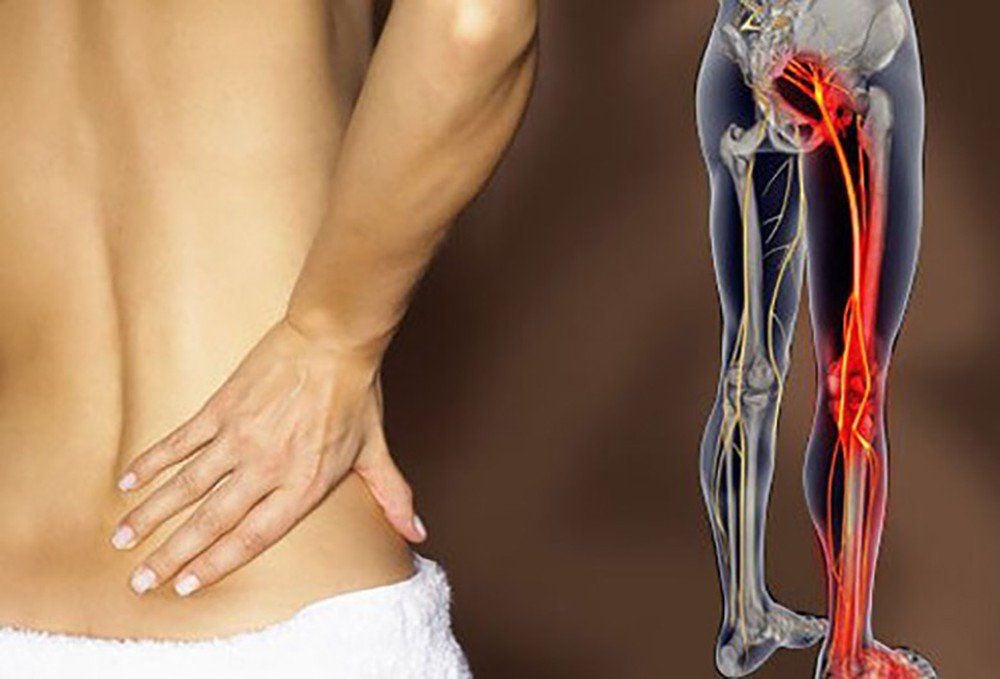
Sciatica is not a condition on its own — it’s a symptom caused by irritation or compression of the sciatic nerve, the longest nerve in the body.
It typically results in:
- Pain in the lower back
- Radiating pain down one leg
- Tingling or numbness
- Muscle weakness
While medical treatment may be necessary in severe cases, many people can manage and relieve symptoms using natural, non-invasive methods.
🧘 1. Gentle Stretching and Movement
One of the most effective ways to relieve sciatica pain is through controlled movement.
Why it helps:
- Reduces nerve compression
- Improves flexibility
- Promotes blood circulation
Helpful stretches include:
- Hamstring stretches
- Knee-to-chest stretch
- Piriformis stretch
👉 Consistency matters more than intensity.
🔥 2. Hot and Cold Therapy
Alternating between heat and cold can provide quick relief.
Cold therapy:
- Reduces inflammation
- Numbs sharp pain
Heat therapy:
- Relaxes muscles
- Improves blood flow
How to use:
- Apply cold packs for 15–20 minutes
- Switch to heat after a few hours
👉 A simple but powerful combination.
🪑 3. Improve Your Posture
Poor posture can worsen sciatica by increasing pressure on the lower back.
Common issues:
- Slouching while sitting
- Sitting for long periods
- Improper workstation setup
Fixes:
- Keep your back straight
- Use supportive chairs
- Take breaks every 30–60 minutes
👉 Small posture changes can reduce long-term pain.
🌿 4. Natural Anti-Inflammatory Support
Certain natural ingredients may help reduce inflammation.
Examples include:
- Turmeric
- Ginger
- Omega-3-rich foods
These can support the body’s natural healing process.
👉 Not a cure, but a helpful addition.
💆 5. Massage Therapy
Massage can help:
- Relax tight muscles
- Reduce pressure on the sciatic nerve
- Improve circulation
Focus areas:
- Lower back
- Glutes
- Hamstrings
👉 Even gentle massage can bring noticeable relief.
🚶 6. Stay Active (But Avoid Overdoing It)
Rest is important — but too much inactivity can make sciatica worse.
Better approach:
- Light walking
- Low-impact activities
- Avoid prolonged bed rest
👉 Movement helps healing.
🛏️ 7. Improve Sleep Position
Sleeping incorrectly can aggravate pain.
Recommended positions:
- On your back with a pillow under your knees
- On your side with a pillow between your legs
👉 Proper alignment reduces pressure on the spine.
⚠️ When to Seek Medical Help
Natural remedies can help in many cases, but you should consult a professional if:
- Pain is severe or worsening
- You experience loss of bladder or bowel control
- Weakness becomes significant
👉 Don’t ignore serious symptoms.
🌱 Final Thoughts
Sciatica pain can be frustrating, but it doesn’t always require aggressive treatment.
With the right combination of:
- Movement
- Lifestyle adjustments
- Natural support
you can often manage symptoms effectively and improve your quality of life.
The key is patience and consistency.
Because when it comes to healing, small daily actions create the biggest results.