Air conditioners have become an essential part of daily life, especially during hot seasons. They help us maintain a cool, comfortable indoor environment, improve sleep quality, and protect vulnerable groups like children and the elderly from heat-related stress. However, many people hesitate to use their air conditioner freely because of one major concern: high electricity bills.
The good news is that you can stay cool, enjoy stable indoor temperatures, and still keep energy costs under control. With the right habits and settings, air conditioners can operate efficiently without wasting power. Here are smart, effective tips to help you use your AC comfortably without worrying about your monthly bill.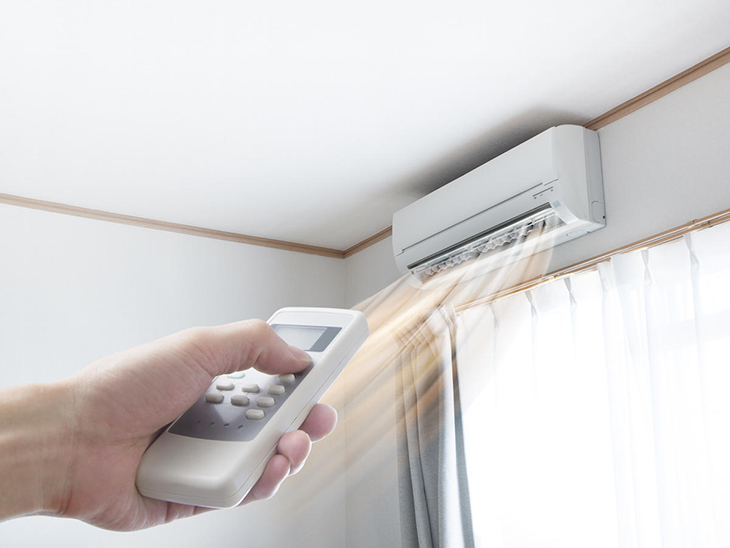
1. Set the Temperature Between 24–27°C
Most experts agree that the optimal temperature range for both comfort and energy efficiency is 24–27°C (75–80°F).
Temperatures below 23°C require significantly more electricity because the AC has to work harder to maintain cool air.
Why this works:
-
Saves up to 10% of energy for every 1°C increase
-
Maintains a stable indoor climate
-
Reduces AC workload and increases lifespan
If you still feel warm at 26–27°C, use a fan to circulate the cool air - it enhances comfort with minimal extra electricity.
2. Use “Dry Mode” or “Fan Mode” When Possible
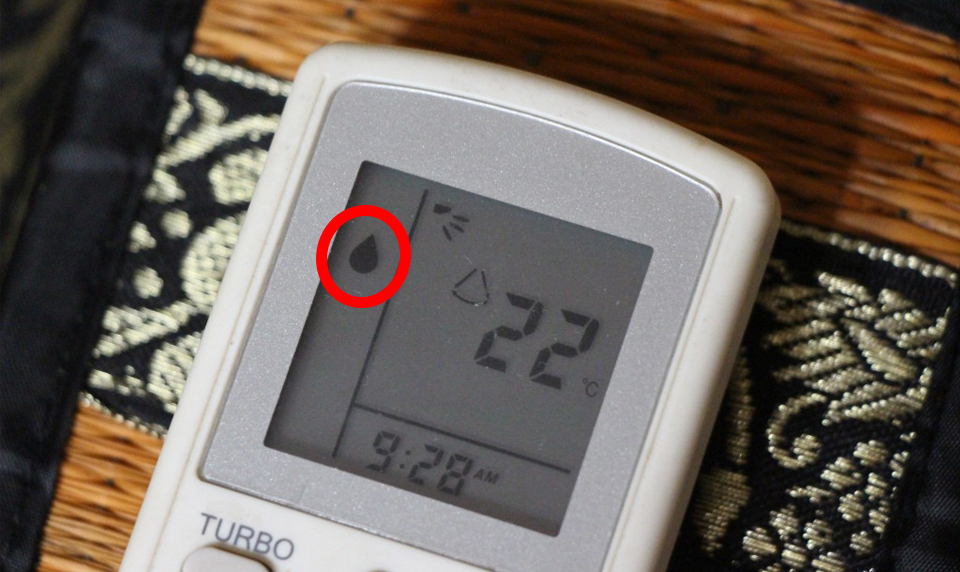
Not every hot day requires full cooling power. Sometimes, humidity is the real problem rather than heat.
Dry Mode:
-
Removes excess moisture
-
Makes air feel cooler
-
Uses far less energy than “Cool Mode”
Fan Mode:
-
Circulates air
-
Suitable for mild weather
-
Extremely energy-efficient
Switching between these modes based on temperature and humidity can dramatically reduce electricity consumption.
3. Clean the Air Filter Every 2–4 Weeks
A dirty filter is one of the biggest reasons for rising electricity bills.
Benefits of regular cleaning:
-
Improves airflow
-
Prevents overheating
-
Reduces energy use by 5–15%
-
Keeps air fresh and allergen-free
Cleaning the filter only takes a few minutes but greatly improves efficiency.
4. Keep Doors and Windows Tightly Closed
Even a small gap allows cool air to escape and hot air to enter.
To improve efficiency:
-
Close doors tightly
-
Seal window gaps
-
Use curtains or blinds to block sunlight
-
Avoid opening the door frequently
Keeping the cool air contained prevents the AC from overworking.
5. Use a Fan to Support Air Circulation
Fans help distribute cool air evenly across the room, allowing you to set the temperature higher without feeling hot.
Advantages:
-
Enhances comfort
-
Reduces hot spots
-
Helps AC run at a lower setting
Ceiling fans or standing fans use only a tiny amount of electricity compared to an air conditioner.
6. Avoid Direct Sunlight Into the Room
Sunlight heats up a room quickly, forcing the AC to consume more energy.
Simple ways to block heat:
-
Close curtains during the hottest hours
-
Use blackout blinds
-
Install heat-reflective film on windows
Reducing sunlight can lower indoor temperature by 2–3°C.
7. Do Not Set the Temperature Too Low When Turning On the AC
Many people immediately set the AC to 16–18°C to cool the room faster - but this does not speed up cooling.
Instead, it:
-
Increases electricity usage
-
Causes uneven temperature
-
Makes the AC run longer
Set it to 25–26°C and let the AC cool the room efficiently.
8. Use the Timer Function to Control Usage
The timer helps you avoid leaving the AC running unnecessarily.
Good nighttime settings:
-
Turn AC on for the first 2–3 hours
-
Let the room cool
-
Switch to fan mode afterward
This keeps you comfortable throughout the night while saving electricity.
9. Choose Energy-Efficient, Inverter AC Models
Modern inverter air conditioners adjust their cooling speed automatically, consuming less energy than traditional models.
Benefits of inverter ACs:
-
Lower electricity bills
-
Quieter operation
-
Longer lifespan
-
More stable temperature
Although they cost more upfront, they save more money in the long run.
10. Keep the Room Size in Mind
Using a small AC for a large room forces the system to run at maximum power continuously, increasing costs and reducing lifespan.
Choose an AC capacity appropriate for your room’s size:
-
1 HP for 9–12 m²
-
1.5 HP for 15–20 m²
-
2 HP for 20–30 m²
Correct sizing ensures maximum efficiency.
11. Schedule Annual Maintenance
Even if the AC seems to run normally, yearly servicing helps detect:
-
Gas leaks
-
Blocked pipes
-
Slow cooling
-
Wiring issues
This prevents high electricity consumption and costly repairs.
Conclusion
Using an air conditioner doesn’t have to mean skyrocketing electricity bills. With the right habits - such as setting the temperature properly, cleaning filters, blocking sunlight, using fans, and relying on efficient modes - you can stay cool, comfortable, and energy-conscious.
Smart AC usage not only saves money but also extends your air conditioner’s lifespan and keeps your living environment healthier and more enjoyable.