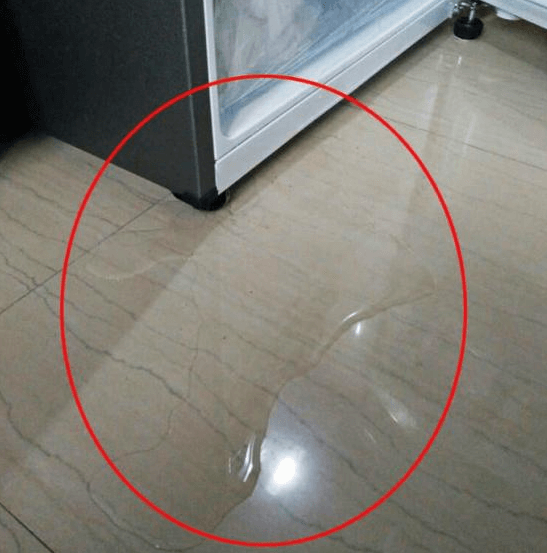
A refrigerator is one of the most important appliances in any household, operating continuously to keep food fresh and safe. Because it runs 24 hours a day, even a small issue - such as water leaking from the fridge or freezer - can quickly become frustrating. Fortunately, in many cases, a leaking refrigerator can be fixed easily at home without calling a technician, saving both time and money.
Below is a comprehensive guide to understanding why your refrigerator leaks water, how to fix it depending on where the leak occurs, and how to protect your fridge so it lasts longer and works more efficiently.
Common Reasons Why Refrigerators Leak Water
Water leakage can come from several sources, including:
-
The freezer compartment
-
The fresh food (refrigerator) compartment
-
The drip tray underneath the fridge
Identifying where the water comes from is the first step toward solving the problem.
When Water Leaks from the Freezer Section
Possible Causes
1. Uneven Food Placement
If food is stacked unevenly or piled too high on one side of the freezer, cold air cannot circulate properly. As a result, some items partially thaw, causing ice to melt and turn into water.
2. Improperly Closed Door
A freezer door that is not fully closed allows warm air to enter. This causes frost to melt and later refreeze, eventually creating excess water that leaks out.
3. Damaged or Dirty Door Seal
The rubber gasket around the freezer door ensures an airtight seal. If it is worn, cracked, or dirty, cold air escapes and moisture forms inside the freezer.
4. Excessive Frost Buildup
Too much frost can block air vents and disrupt airflow. When the fridge enters its defrost cycle, the frost melts into water faster than it can drain away.
How to Fix It
-
Rearrange food so cold air can circulate evenly
-
Avoid overfilling the freezer
-
Ensure the freezer door closes tightly every time
-
Clean the rubber seal regularly and replace it if damaged
-
Defrost the freezer periodically if frost buildup is excessive
When Water Leaks from the Refrigerator Section
Possible Causes
1. Moisture from Fresh Food
Fresh fruits and vegetables release moisture, especially if placed in the fridge immediately after purchase without proper packaging.
2. Blocked Air Vents
Overloading the fridge can block cold air vents between the fridge and freezer compartments, leading to uneven cooling and condensation.
3. Clogged Drain Hole
Inside the fridge, there is a small drain hole that allows defrost water to flow into the drip tray. If this hole becomes blocked by food debris or ice, water will leak into the fridge.
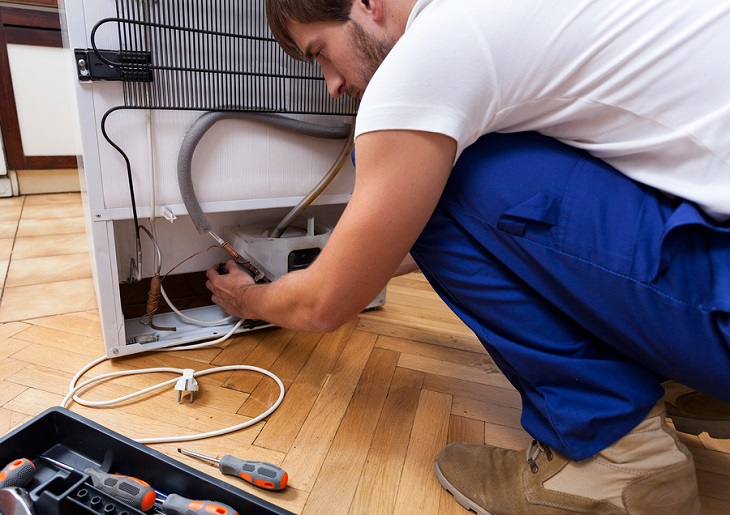
How to Fix It
-
Store fruits and vegetables in sealed containers or wrap them properly
-
Check and clear ventilation holes to ensure proper airflow
-
Reduce overcrowding and reorganize food storage
-
Clean the drain hole using warm water or a thin cleaning brush
Water Leaking from the Drip Tray
The drip tray collects water from the defrost cycle and allows it to evaporate naturally. However, leaks can occur if:
-
The tray is cracked or damaged
-
The tray is not positioned correctly
-
The fridge is tilted forward
Solution
-
Check the tray for cracks and replace if needed
-
Ensure the tray is positioned correctly
-
Make sure the fridge is level, with a slight backward tilt
Simple Tips to Prevent Water Leaks
1. Regular Cleaning
Clean your refrigerator at least once a month. Wipe shelves, walls, door seals, and vents to prevent mold, odors, and blockages.
2. Proper Food Storage
Use airtight containers and keep food organized. Avoid placing items directly in front of air vents.
3. Avoid Storing Hot Food
Let food cool to room temperature before placing it in the fridge. Hot food increases internal temperature, causing condensation and forcing the compressor to work harder.
4. Check Door Seals Frequently
Wipe rubber seals with warm soapy water to remove dirt. Replace seals that no longer close tightly.
How to Make Your Refrigerator Last Longer
Beyond fixing leaks, good maintenance can significantly extend the lifespan of your refrigerator.
1. Keep the Fridge at the Right Temperature
-
Fridge compartment: 3–5°C (37–41°F)
-
Freezer compartment: -18°C (0°F)
This prevents frost buildup and reduces energy consumption.
2. Avoid Overloading
An overcrowded fridge restricts airflow and strains the cooling system. Leave space for air circulation.
3. Clean the Condenser Coils
Dusty condenser coils reduce efficiency and cause overheating. Clean them every 6 months using a vacuum or soft brush.
4. Ensure Proper Ventilation
Leave space between the fridge and the wall so heat can dissipate properly.
5. Use a Stable Power Source
Voltage fluctuations can damage internal components. Consider using a voltage stabilizer if power supply is unstable.
Conclusion
Water leaking from a refrigerator is a common problem, but in most cases, it can be fixed easily with simple adjustments and regular maintenance. By organizing food properly, cleaning your fridge regularly, checking seals and vents, and avoiding bad habits like storing hot food, you can prevent leaks and improve your fridge’s efficiency.
Most importantly, proper care not only stops water leaks but also helps your refrigerator last longer, consume less electricity, and keep your food safer. A few small habits can save you costly repairs and ensure your fridge continues to serve your family reliably for years to come.