Dental plaque is one of those things you may not notice until it starts causing problems. It can feel like a slightly fuzzy coating on your teeth, especially after eating, and over time it can contribute to bad breath, cavities, gum inflammation, and other oral health issues.
The good news is that you do not need an elaborate routine to control plaque. Many of the most effective approaches are simple, inexpensive, and supported by dental research.
But there is an important distinction: some natural habits can help reduce and control plaque, while hardened plaque - known as tartar or calculus cannot safely be removed at home with household ingredients.
Understanding that difference is the first step toward protecting your teeth.
What Is Dental Plaque?
Dental plaque is a sticky biofilm that continuously forms on the surfaces of your teeth.
Your mouth naturally contains hundreds of types of microorganisms. After you eat, bacteria can interact with sugars and other components in food. Over time, these microorganisms become incorporated into a sticky film that adheres to teeth.
If plaque is not regularly disrupted and removed, it can contribute to tooth decay and gum disease.
Plaque is constantly forming, which means that keeping your mouth healthy is not about removing it once and being finished. It is about regularly disturbing and removing the biofilm before it causes damage.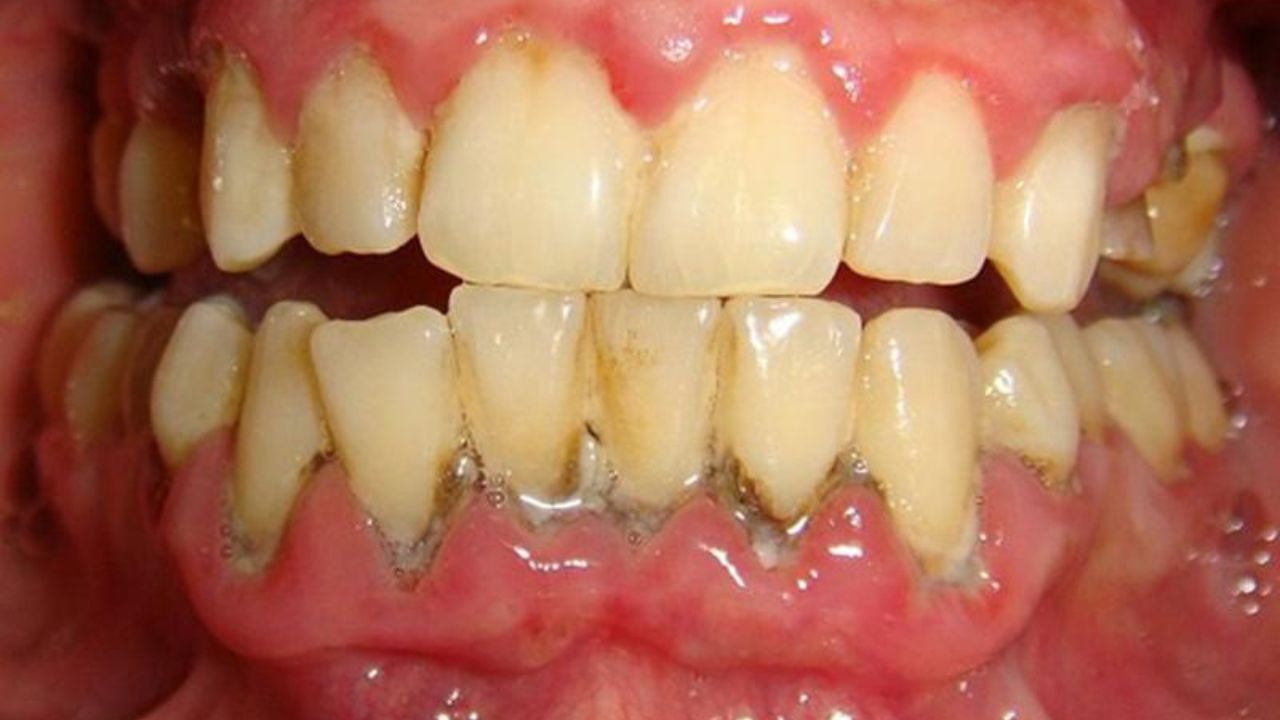
Plaque vs. Tartar: They Are Not the Same
This is one of the most important things to understand.
Plaque is soft and can generally be removed with proper brushing and cleaning between the teeth.
Tartar, or calculus, is hardened plaque.
When plaque remains on the teeth, minerals in saliva can cause it to calcify and become firmly attached to the tooth surface.
Once calculus has formed, brushing alone usually cannot remove it.
Trying to scrape it away with sharp objects at home can damage the gums or tooth surfaces. Professional dental instruments are designed to remove calculus safely.
So when people search for a “natural way to remove tartar,” the realistic goal should usually be preventing plaque from hardening into tartar in the first place.
1. Brush Your Teeth Twice a Day
The most evidence-based way to control plaque is also one of the simplest: brush your teeth regularly.
Dental professionals generally recommend brushing twice a day for about two minutes each time.
Use a soft-bristled toothbrush and fluoride toothpaste.
Fluoride is particularly important because it strengthens tooth enamel and helps prevent cavities. Choosing a “natural” toothpaste does not necessarily make it better if it lacks fluoride.
When brushing, pay attention to the gumline and all tooth surfaces rather than focusing only on the front teeth.
Use gentle pressure.
Brushing harder does not necessarily remove more plaque. Excessive pressure can irritate the gums and contribute to tooth wear or gum recession.
2. Don't Forget the Gumline
Plaque often accumulates where the tooth meets the gum.
This area can be easy to miss, especially if you brush quickly.
Hold your toothbrush at roughly a 45-degree angle toward the gumline and use small, controlled movements.
Spend enough time covering:
-
The outer surfaces of your teeth
-
The inner surfaces
-
The chewing surfaces
-
Along the gumline
-
The backs of the front teeth
A consistent technique is generally more valuable than aggressive brushing.
3. Clean Between Your Teeth Every Day
A toothbrush cannot effectively reach every surface between your teeth.
That is why interdental cleaning is so important.
Depending on your teeth and preferences, you might use:
-
Dental floss
-
Interdental brushes
-
Water flossers
The goal is to remove plaque and food debris from areas that brushing cannot adequately reach.
If your teeth have larger spaces between them, interdental brushes may be particularly useful. If the spaces are tight, floss may work better.
There is no single tool that is perfect for everyone.
If you are unsure which option is appropriate, a dental professional can help you choose.
4. Drink More Plain Water
Water does not magically dissolve plaque, but staying hydrated can support a healthier oral environment.
Water helps wash away some food particles and supports normal saliva production.
Saliva is important because it helps neutralize acids and protect tooth surfaces.
Choosing water instead of sugary drinks is particularly helpful.
Soft drinks, sweetened coffee, energy drinks, and other sugary beverages can increase the conditions that allow harmful bacteria to produce acids that attack tooth enamel.
So one of the simplest changes you can make is also one of the most practical:
Make plain water your default drink throughout the day.
5. Limit Frequent Sugary Snacks
You do not necessarily have to eliminate every dessert to protect your teeth.
What matters is also how frequently your teeth are exposed to fermentable carbohydrates and sugars.
Repeated snacking throughout the day gives oral bacteria more opportunities to produce acids.
Instead of constantly sipping or snacking on sugary foods and drinks, try keeping them to defined occasions, preferably with meals.
This gives saliva more time to help restore the mouth's normal balance.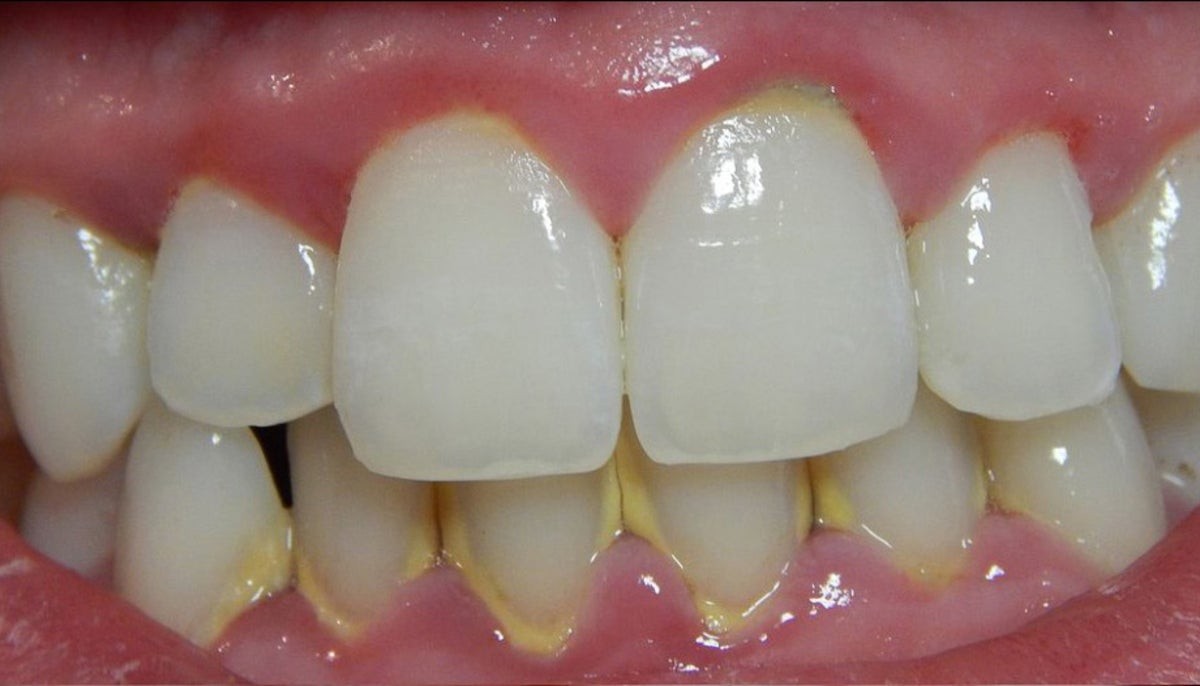
6. Consider Sugar-Free Gum
Sugar-free chewing gum can be a useful addition to an oral-care routine, particularly after meals when brushing is not immediately possible.
Chewing stimulates saliva production.
Some sugar-free gums contain xylitol, a sugar alcohol that has been studied for its potential role in reducing cavity-causing bacterial activity and preventing tooth decay.
However, chewing gum is not a replacement for brushing and interdental cleaning.
Think of it as an additional tool rather than a substitute for your regular routine.
Also remember that large amounts of xylitol can cause digestive discomfort in some people.
And there is an important pet-safety warning: xylitol is highly toxic to dogs. Keep products containing xylitol away from pets.
7. Eat a Tooth-Friendly Diet
Your diet influences your oral environment.
Crunchy fruits and vegetables such as apples, carrots, and celery can increase chewing and saliva flow, although they should not be considered a substitute for brushing.
More importantly, focus on a balanced diet containing adequate:
-
Protein
-
Calcium
-
Phosphorus
-
Vitamins
-
Minerals
-
Fiber-rich foods
Dairy products such as plain yogurt and cheese can be useful additions to a balanced diet because they provide nutrients important for teeth and bones.
The broader principle is simple:
A healthy mouth benefits from an overall healthy diet—not from one “miracle” food.
8. Green Tea May Offer Some Oral Benefits
Green tea contains polyphenols and other compounds that have been investigated for their effects on oral bacteria and inflammation.
Some research suggests that green tea consumption may be associated with aspects of better oral health.
However, this does not mean green tea can “remove plaque” by itself.
It is better viewed as a potentially helpful beverage within a broader oral-health routine.
If you drink it, avoid loading it with sugar.
9. Be Careful With Oil Pulling
Oil pulling involves swishing edible oil—often coconut or sesame oil—in the mouth for several minutes before spitting it out.
It has become popular as a natural approach to oral hygiene.
Some studies suggest that oil pulling may reduce certain measures of plaque or oral bacteria, but the evidence is much less established than for brushing with fluoride toothpaste and cleaning between the teeth.
It should therefore not replace conventional oral hygiene.
If someone enjoys oil pulling and can perform it safely, it may be considered an optional addition, but it should not be presented as a proven method for removing tartar or reversing gum disease.
And do not swallow large amounts of oil.
10. Don't Rely on Lemon Juice or Vinegar
This is where “natural” dental advice can become misleading.
Lemon juice, vinegar, and other acidic substances are sometimes promoted online as ways to dissolve plaque or whiten teeth.
The problem is that acids can erode tooth enamel.
Once enamel is significantly worn away, the body cannot simply grow it back.
Using acidic household ingredients repeatedly on your teeth can therefore create a problem far worse than the plaque you were trying to remove.
Natural does not automatically mean safe.
11. Baking Soda: Helpful, but Understand Its Limits
Baking soda, or sodium bicarbonate, is found in some commercial toothpastes and has properties that can help with cleaning and neutralizing acids.
Toothpastes formulated with baking soda have been studied for plaque control.
But rubbing loose baking soda aggressively onto your teeth is not the same thing as using a properly formulated toothpaste.
If you prefer baking-soda-based oral care, a toothpaste that has been professionally formulated and contains fluoride is generally a more sensible option than experimenting with abrasive homemade mixtures.
12. Avoid Scraping Your Teeth at Home
When people notice yellow or brown buildup around their teeth, they may assume it is simply plaque and attempt to scrape it away with:
-
Metal tools
-
Pins
-
Fingernails
-
Toothpicks
-
Household objects
This is a bad idea.
Hard deposits may actually be calculus, which requires professional removal.
Improper scraping can injure the gums, scratch tooth surfaces, or push bacteria and debris deeper into irritated areas.
If you can see or feel a hard deposit that does not come off with normal brushing, a dental cleaning is the safer solution.
Can Natural Methods Actually Remove Plaque?
Yes—but the most effective “natural” approach is not a special ingredient.
It is mechanical disruption.
Brushing physically disrupts the biofilm.
Flossing and interdental cleaning disrupt plaque between teeth.
Water and saliva help clear food debris.
A diet lower in frequent sugar exposure reduces the fuel available to acid-producing bacteria.
Together, these habits can significantly improve plaque control.
The key is consistency.
A person who brushes properly twice a day and cleans between their teeth regularly will generally gain far more benefit than someone who occasionally uses an exotic homemade remedy.
What About Mouthwash?
Mouthwash can be useful in certain circumstances, but it is not essential for everyone.
Some therapeutic mouthwashes are designed to help with plaque, gingivitis, bad breath, or other specific problems.
However, mouthwash should generally be viewed as an addition to not a replacement for - brushing and interdental cleaning.
If you have persistent gum inflammation or significant plaque buildup, ask your dentist whether a particular mouthwash is appropriate.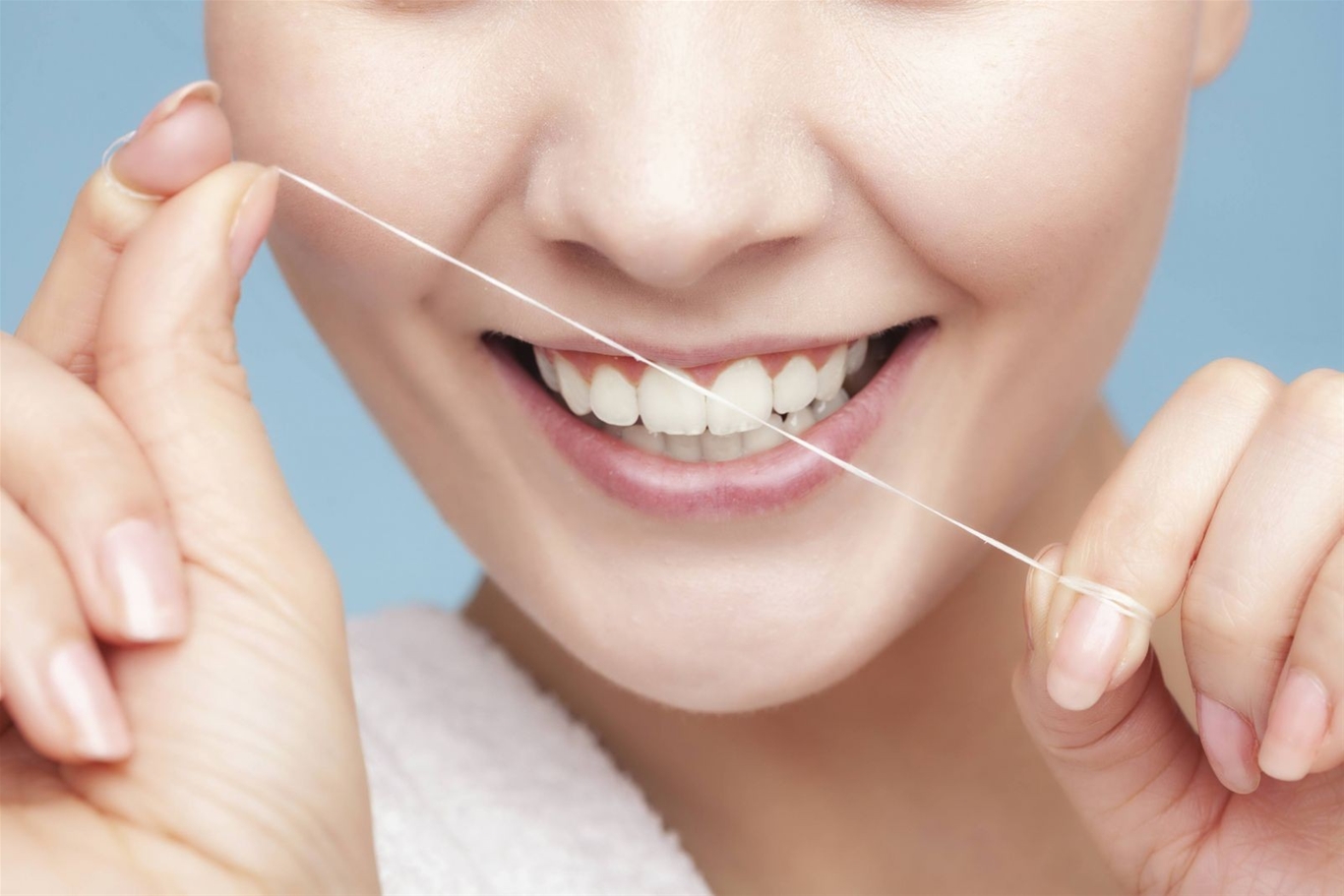
Signs Your Plaque May Be Affecting Your Gums
Plaque does not always cause obvious symptoms at first.
But as the gums become irritated, you may notice:
-
Red or swollen gums
-
Bleeding during brushing or flossing
-
Persistent bad breath
-
Tender gums
-
Receding gums
-
Increased sensitivity
-
Visible buildup around the teeth
Bleeding gums are sometimes dismissed as “normal,” but healthy gums generally should not bleed regularly during routine cleaning.
Persistent bleeding is a reason to have your oral health assessed.
When Plaque Turns Into Gum Disease
If plaque remains around the gumline, the body's inflammatory response can cause gingivitis.
Gingivitis is an early form of gum disease and is often reversible with improved oral hygiene and professional care.
If inflammation persists and the disease progresses, it can develop into periodontitis, which affects the tissues and bone supporting the teeth.
Periodontitis can lead to gum recession, loose teeth, tooth loss, and other complications.
This is why plaque control is about much more than having a clean-looking smile.
It is part of protecting the structures that keep your teeth in place.
The Best “Natural” Routine for Cleaner Teeth
If you want a simple routine without relying on questionable hacks, start here:
Morning:
Brush for two minutes with fluoride toothpaste.
During the day:
Drink water regularly and limit frequent sugary snacks and drinks.
After meals when appropriate:
Consider sugar-free gum if you cannot brush immediately.
Evening:
Clean between your teeth, then brush for another two minutes.
Regularly:
Visit a dentist for examinations and professional cleaning when recommended.
This routine may sound ordinary, but ordinary is often exactly what works.
The Bottom Line
There is no magic natural ingredient that can safely melt away years of hardened tartar.
But there are highly effective, evidence-based habits that can reduce plaque buildup naturally by working with the body's normal oral defenses and physically disrupting bacterial biofilm.
Brush twice daily with fluoride toothpaste. Clean between your teeth every day. Drink water. Limit frequent sugar exposure. Consider sugar-free gum as an optional addition. And avoid aggressive home remedies involving acids or sharp scraping tools.
Most importantly, remember that prevention is easier than removal.
Plaque begins forming again soon after you clean your teeth, so the goal is not to achieve a permanently plaque-free mouth. The goal is to consistently keep plaque under control before it has the opportunity to harden into calculus or contribute to tooth decay and gum disease.
And if you already have hard yellow or brown deposits, persistent bleeding gums, swelling, pain, loose teeth, or ongoing bad breath, a professional dental examination is the safest next step.
The most powerful “natural remedy” for dental plaque isn't hidden in a kitchen cabinet. It's a simple routine practiced consistently, day after day.