Phlegm and mucus are normal parts of the body's defense system. Your airways naturally produce mucus to trap dust, allergens, and microorganisms, while tiny hair-like structures help move it toward the throat so it can be cleared.
The problem starts when too much mucus builds up, becomes thick and difficult to cough out, or creates a persistent sensation of congestion in the chest or throat.
This can happen with a common cold, allergies, sinus drainage, asthma, smoking, air pollution, or respiratory infections. In many cases, the mucus gradually improves as the underlying problem resolves.
Fortunately, several simple measures may help loosen mucus, make coughing more productive, and reduce the uncomfortable feeling of congestion.
Here are six approaches worth knowing.

1. Drink Enough Fluids
One of the simplest things you can do when dealing with thick mucus is to maintain adequate hydration.
When you're dehydrated, mucus can become thicker and more difficult to move.
Drinking water regularly can help you maintain normal hydration and may make secretions easier to clear.
You don't need to force huge amounts of water. Instead, drink regularly throughout the day according to your thirst and individual needs.
Warm liquids can also feel soothing.
Try:
-
Warm water
-
Decaffeinated tea
-
Broth
-
Warm water with lemon
-
Other non-alcoholic fluids you enjoy
A warm drink may temporarily soothe an irritated throat and make thick secretions feel easier to clear.
If you have been told to restrict fluids because of heart, kidney, or another medical condition, follow your healthcare professional's instructions rather than deliberately increasing your fluid intake.
2. Use Humidified Air or Take a Warm Shower
Dry air can make the nose and throat feel irritated and may make mucus seem thicker.
Adding moisture to the air may help some people feel more comfortable.
A warm shower can provide temporary relief because the humid environment may help loosen nasal and throat secretions.
You can also consider using a clean cool-mist humidifier if the air in your home is particularly dry.
However, humidifiers need regular cleaning.
A poorly maintained humidifier can allow microorganisms or mold to grow and potentially worsen respiratory irritation.
Follow the manufacturer's cleaning instructions and avoid making the room excessively humid.
What about breathing over a bowl of boiling water?
This popular home remedy is best avoided.
Steam can cause serious burns, especially when people lean over hot water or accidentally knock the container over.
A warm shower or properly used humidifier provides a safer way to add moisture.
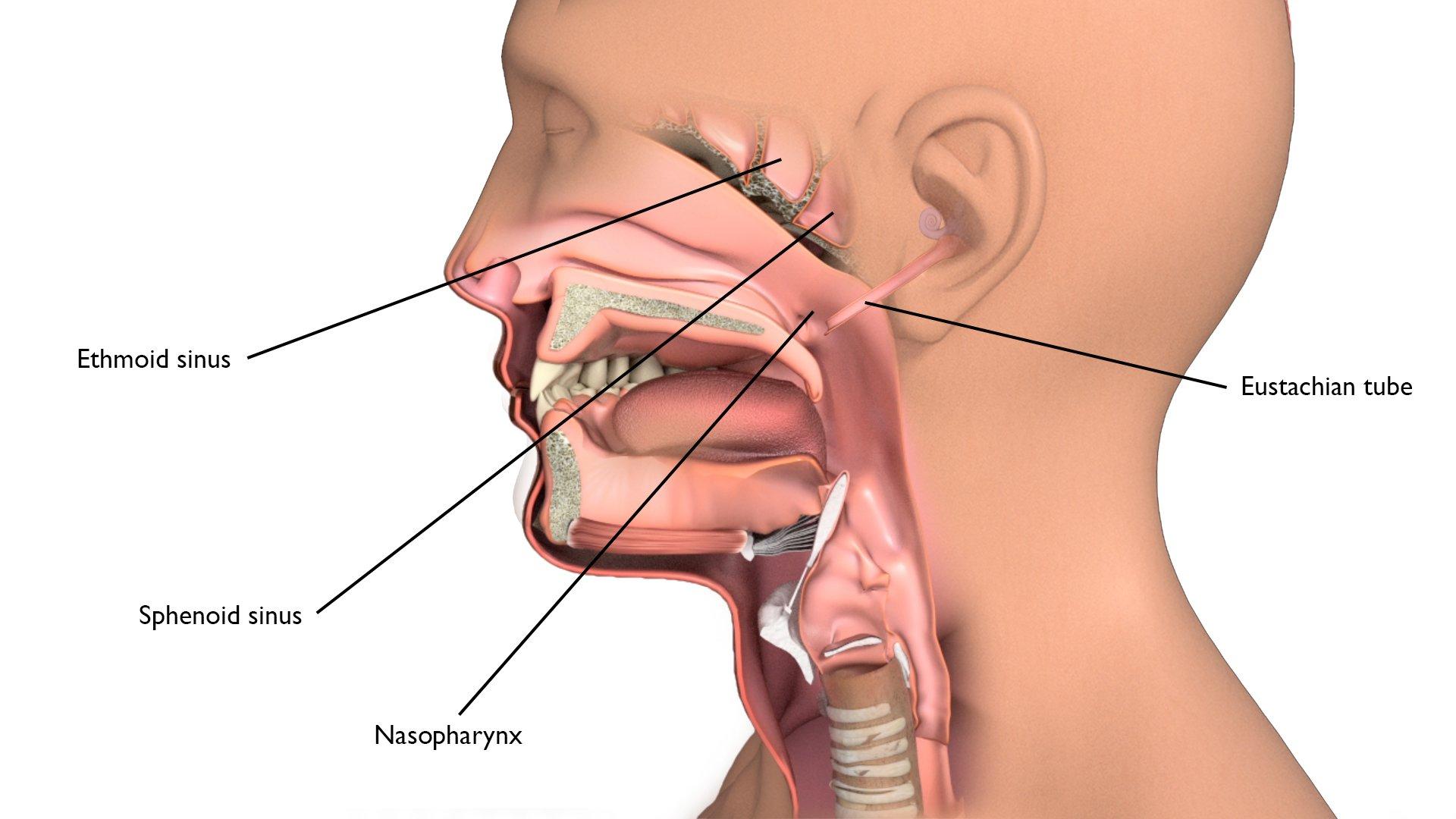
3. Try Saline for Nasal Mucus and Postnasal Drip
Sometimes the mucus you feel in your throat isn't actually coming from your lungs.
It may be coming from your nose or sinuses.
This is known as postnasal drainage.
Allergies, colds, sinus irritation, and other conditions can increase mucus production in the upper airways. The mucus then travels down the back of the throat, creating the sensation that something is stuck there.
Saline nasal spray or saline irrigation can help rinse away mucus and irritants from the nasal passages.
If you use a nasal rinse device, such as a neti pot, use distilled, sterile, or appropriately treated water according to public-health guidance. Don't use untreated tap water for nasal irrigation.
Clean and dry the device properly after use.
Saline treatment can be particularly useful when congestion, allergies, or postnasal drip are contributing to the problem.
4. Keep Moving and Sit Upright
When you're congested, spending the entire day lying down can sometimes make mucus feel more difficult to clear.
Gentle movement can help you stay active and may make coughing more effective.
If you're feeling well enough, consider:
-
Taking a gentle walk
-
Moving around the house
-
Doing light stretching
-
Sitting upright rather than lying flat for long periods
You don't need an intense workout.
If you're recovering from a respiratory infection, listen to your body and rest when necessary.
Keeping your upper body elevated can also make breathing more comfortable for some people, especially when mucus and postnasal drainage are worse at night.
If lying down causes significant breathing difficulty, however, don't simply prop yourself up and ignore the symptom. Persistent or severe shortness of breath should be medically assessed.
5. Avoid Smoke and Other Airway Irritants
If you're trying to clear mucus, continuing to expose your airways to irritants can make the situation harder.
Cigarette smoke is one of the most important irritants to avoid.
Smoking can damage the airways and interfere with the normal mechanisms that clear mucus.
Secondhand smoke can also irritate the respiratory tract.
Other potential irritants include:
-
Heavy air pollution
-
Strong chemical fumes
-
Dust
-
Certain cleaning products
-
Aerosol sprays
-
Strong fragrances
If outdoor air quality is poor, reducing exposure can help.
For people with asthma or another respiratory condition, avoiding known triggers is particularly important.
Quitting smoking can provide substantial long-term respiratory benefits, although mucus and coughing can temporarily change after quitting as the airways recover.
6. Use Medicines Carefully When Appropriate
Depending on the cause of the mucus, certain over-the-counter medications may provide relief.
For example, expectorants containing guaifenesin are marketed to help loosen mucus and make coughing more productive.
Evidence for symptom relief varies, and these medications aren't appropriate for everyone.
Other products may target the underlying cause instead.
For example:
-
Antihistamines may help certain allergy symptoms.
-
Nasal corticosteroid sprays can help some forms of allergic rhinitis.
-
Decongestants may temporarily relieve nasal congestion in appropriate people.
However, these medicines have different risks and shouldn't be treated as interchangeable.
Some people should avoid or use certain decongestants cautiously, particularly those with certain cardiovascular conditions, high blood pressure, glaucoma, prostate problems, or medication interactions.
Always read the label and ask a pharmacist or healthcare professional if you're unsure.
What Color Is Your Phlegm?
Many people immediately worry when their mucus changes color.
Green or yellow mucus can occur during respiratory infections because immune cells and other substances change the appearance of mucus.
But green or yellow mucus does not automatically mean you need antibiotics.
Many viral respiratory infections can produce colored mucus.
Likewise, clear mucus doesn't guarantee that an illness is harmless.
Color alone isn't enough to determine the cause.
Instead, pay attention to the entire picture:
-
How long have you been sick?
-
Is the condition improving or getting worse?
-
Do you have a fever?
-
Are you short of breath?
-
Do you have chest pain?
-
Are you coughing up blood?
-
Do you have an underlying lung condition?
These factors are much more informative than mucus color by itself.