
Homemade Strawberry Juice: The Refreshing, Naturally Sweet Drink That Tastes Like Summer in a Glass (And Takes Just 10 Minutes!)
Everyone Will Ask for a Second Glass!
Tips 08/07/2026 13:34
Clean, shiny tile floors can instantly make a home feel brighter, fresher, and more inviting. Over time, however, everyday foot traffic, dust, spills, soap residue, and hard water deposits can leave tiles looking dull and worn. The good news is that restoring their natural shine often doesn't require expensive products. With the right cleaning techniques and regular maintenance, you can keep your tiles looking their best for years.
It's important to remember that different types of tiles require different cleaning methods. Ceramic and porcelain tiles are generally durable and easy to clean, while natural stone tiles such as marble, travertine, or limestone require special care to avoid damage.
Here are some simple, effective ways to clean your tiles safely and restore their shine.
Several factors can make tile floors appear dull.
Common causes include:
Dust buildup
Soap residue
Hard water stains
Grease
Dirty grout
Cleaning product residue
Scratches from dirt or sand
Sometimes the tiles themselves are still in excellent condition—the problem is simply a layer of residue covering the surface.
Before using any cleaning solution, identify your flooring.
Common types include:
Ceramic tile
Porcelain tile
Marble
Granite
Slate
Travertine
Vinyl tile
This matters because some cleaning products are safe for ceramic tiles but may damage natural stone.
Always remove loose dirt before mopping.
Sweeping helps eliminate:
Dust
Sand
Hair
Small debris
Skipping this step may cause dirt to spread across the floor while mopping, reducing shine.
Use a soft broom or a vacuum designed for hard floors.
Sometimes warm water alone is enough for routine cleaning.
For light dirt:
Fill a bucket with warm water.
Use a microfiber mop.
Wring out excess water.
Mop evenly across the floor.
Microfiber mops effectively lift dirt without leaving excessive streaks.
For deeper cleaning, choose a cleaner designed for your specific tile type.
Follow the manufacturer's instructions carefully.
Avoid using more cleaner than recommended, as excess product may leave a dull residue.
After cleaning, rinse with clean water whenever the product instructions recommend doing so.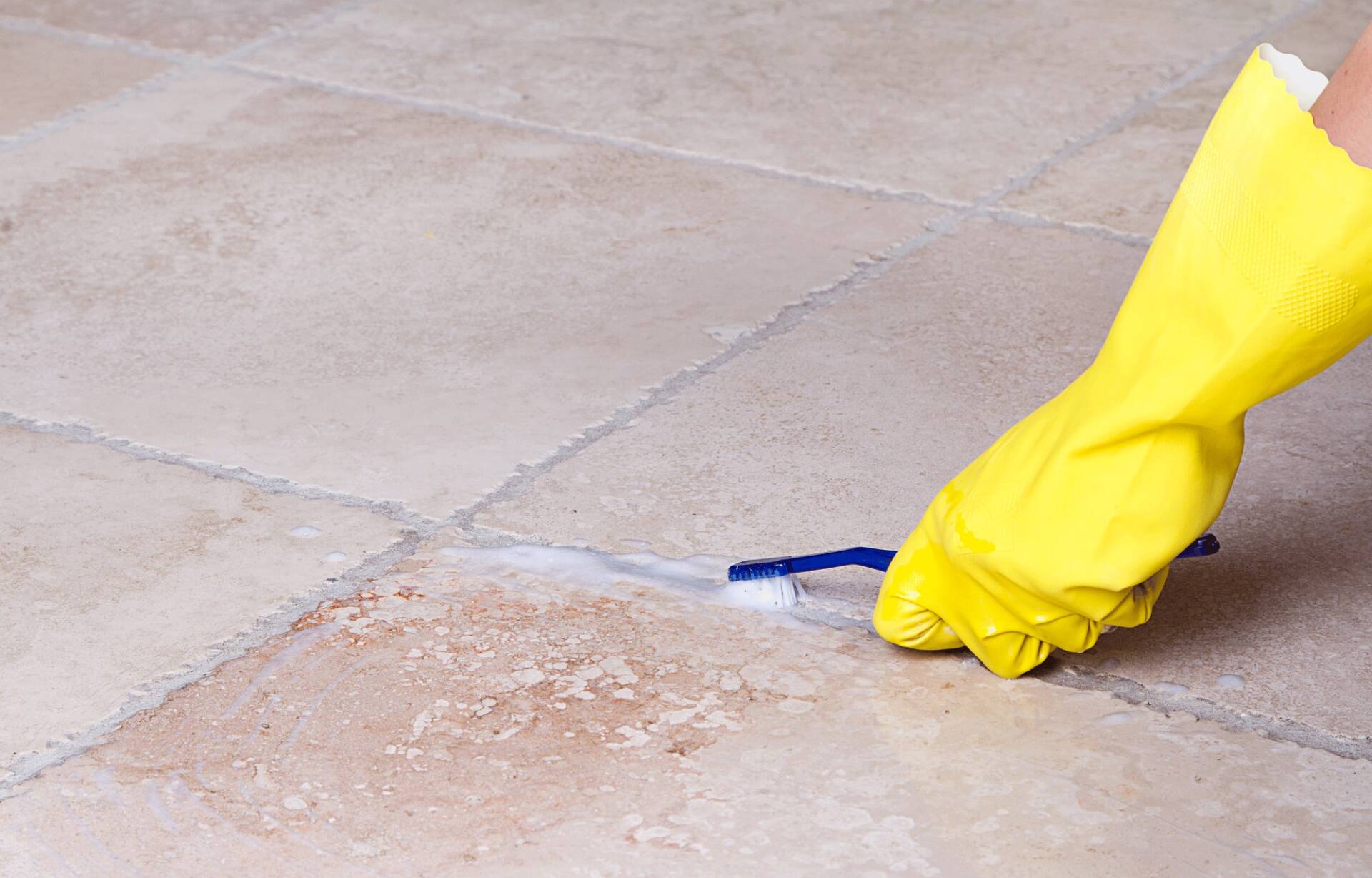
Even if your tiles are clean, dirty grout can make the entire floor look old.
For ceramic or porcelain tile, you may gently scrub grout using:
Warm water
A soft brush
A grout-safe cleaner
Avoid using metal brushes that may damage grout.
If the grout becomes heavily stained or deteriorated, professional cleaning or regrouting may be needed.
Allowing water to dry naturally may leave:
Water spots
Mineral deposits
Streaks
Instead, dry the floor with:
A clean microfiber cloth
A dry microfiber mop
This simple step often produces a noticeably shinier finish.
Food spills, oils, coffee, juice, and other liquids may leave stains if left on the floor.
Clean spills as soon as possible to prevent:
Staining
Sticky residue
Slippery surfaces
Quick cleanup also helps protect grout.
Prevention is often easier than cleaning.
Place doormats at entrances to reduce:
Dirt
Sand
Mud
Moisture
Encourage family members and guests to wipe their shoes before entering.
Some households also prefer removing shoes indoors.
Small scratches reduce the reflective appearance of tiles.
Protect your floors by:
Adding felt pads under furniture legs.
Lifting heavy furniture instead of dragging it.
Sweeping regularly to remove abrasive grit.
This helps preserve the tile's finish over time.
Some people prefer homemade cleaning solutions.
For many ceramic and porcelain tiles, mild solutions may help with everyday cleaning.
Examples include:
Warm water
A small amount of mild dish soap
Some people also use diluted white vinegar for ceramic or porcelain tile. However, vinegar should never be used on natural stone surfaces such as marble, limestone, travertine, or granite, because its acidity can damage the finish.
Always test any homemade cleaner on a small, inconspicuous area first.
Natural stone requires special care.
Use only cleaners specifically designed for:
Marble
Granite
Travertine
Slate
Avoid acidic substances such as:
Vinegar
Lemon juice
Strong bathroom cleaners
These products may permanently dull or etch the stone.
Many common cleaning habits actually reduce shine.
Avoid:
Using excessive detergent
Leaving cleaning residue behind
Using dirty mop water
Skipping regular sweeping
Allowing soap residue to build up
Using abrasive scrubbers unnecessarily
Sometimes simply switching to cleaner mop water restores much of the floor's shine.
Cleaning frequency depends on household activity.
General recommendations include:
Sweep high-traffic areas if needed.
Mop most living areas.
Deep clean grout if necessary.
Inspect for stains or damaged grout.
Homes with pets or young children may require more frequent cleaning.
Some tile types can be polished with products specifically designed for them.
However:
Not all tiles require polish.
Some products leave slippery residue.
Certain coatings may actually attract more dirt.
Always follow the manufacturer's recommendations for your flooring.
False.
Using too much cleaner often leaves residue that attracts dirt and reduces shine.
False.
Acidic cleaners can permanently damage many natural stone surfaces.
Bleach may disinfect certain surfaces but does not restore shine and may discolor grout or damage some finishes if used improperly.
When cleaning your floors:
Follow product directions carefully.
Keep cleaning products away from children and pets.
Ensure good ventilation when using stronger cleaners.
Never mix bleach with ammonia or acidic cleaners, as this can produce dangerous gases.
Protecting your health is just as important as protecting your floors.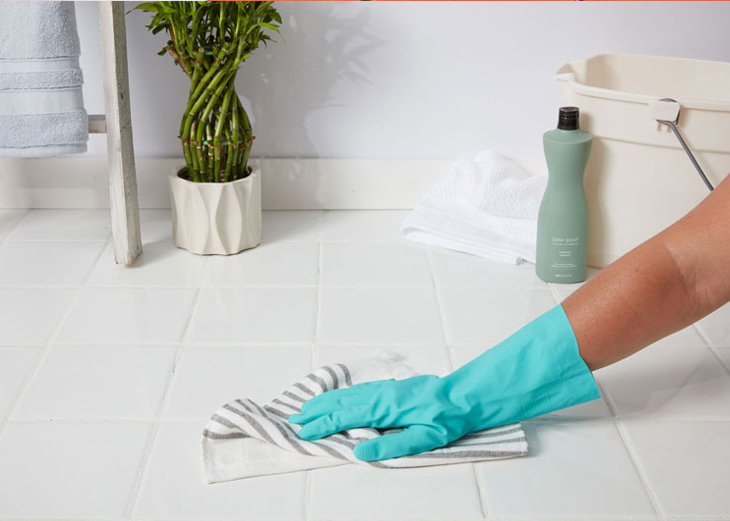
Keeping your tile floors shiny doesn't have to be difficult. Regular sweeping, gentle mopping, prompt spill cleanup, proper grout care, and using the right cleaning products for your specific tile type are the keys to maintaining beautiful floors.
While many homemade cleaning methods can be effective for ceramic and porcelain tiles, it's important to choose products carefully and avoid acidic cleaners on natural stone. Using the wrong product can cause permanent damage that no amount of scrubbing can fix.
With consistent care and a few simple habits, your tile floors can remain clean, bright, and attractive for many years—making your entire home feel fresher and more welcoming.
Everyone Will Ask for a Second Glass!

Most People Pick Fry C… Which One Are You?

If You See This Tiny Silver Bug in Your Home, Don't Ignore It!

This Household Trick Could Take Your Laundry to the Next Level ✨

Your first impression may reveal surprising clues about your future outlook.

A staircase bathroom may save space—but careful planning is essential.

Your favorite ring may reflect your hopes, values, and love style.
Your toilet could look brand new by tomorrow morning—here's how.

A simple coin—or a warning?

Those tiny fuzzy flies in your bathroom could be a sign of hidden drain buildup that needs attention.

The ring you choose may reveal fascinating clues about your personality.

That decorative cloth at the foot of your hotel bed has practical uses.

The first three colors you spot may reflect your inner state—try it now!

Don't ignore these early warning signs of facial paralysis.

These five commonly grown plants may help make your balcony less inviting to snakes.

What to Know About Snake Identification and Safe Response
Easy Cleaning Hacks for Removing Yellow Stains from Your Toilet

The secret to crispier fried food could be hiding in your fruit bowl.

Protect Your Wooden Furniture: Simple Home Remedies and Prevention Tips

Not Every Change in Vaginal Odor Is Cause for Concern—Here Are 4 Common Reasons.

Right-Side Sleeper? Here Are Some Potential Benefits and Drawbacks You Should Know.
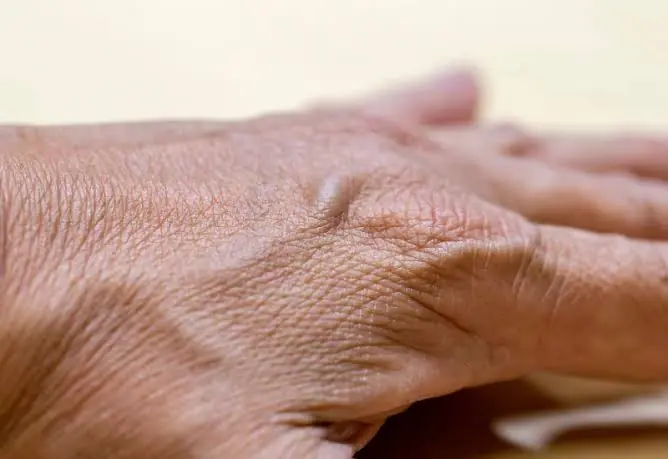
Are Your Hand Veins Becoming More Prominent? Here's What Might Be Behind It.

Some Stroke Symptoms May Seem Minor, But They Should Never Be Ignored.

Your Favorite Snack Could Cause These Unexpected Effects If You Eat Too Much.

A Puffy Face After Waking Up Could Have Several Causes—Kidney Problems Are One Possibility.
Everyone Will Ask for a Second Glass!

Could Your Leftovers Be Making You Sick? Watch Out for These 5 Foods.

If You Sleep With Your Phone Like This, Firefighters Want You to Stop Today.

Your morning routine may influence how energized you feel all day.

However, nutrition experts warn that not all fish are equally safe. Some types, depending on how they are preserved, prepared, or where they come from, may pose potential health risks if consumed frequently or improperly.
Most People Pick Fry C… Which One Are You?
If You See This Tiny Silver Bug in Your Home, Don't Ignore It!

STOP! Before You Buy Toilet Paper Again, Read This…

How Your Daily Drink Choices Could Affect Your Brain and Heart.

Should You Drink Water as Soon as You Wake Up? Here's What to Know

When Fingers Turn White in the Cold, It Could Indicate an Underlying Circulation Issue

A simple mistake when eating eggs may pose serious health risks. Eggs are among the most nutritious and widely consumed foods in the world. Rich in protein, vitamins, and essential minerals, they are often recommended as part of a balanced diet.

Experts Warn That This Popular Food Must Be Prepared Correctly to Avoid Serious Health Risks

Doctors Warn That These 7 Morning Symptoms Are Often Overlooked 😲