However, anyone who has ever prepared raw shrimp has likely encountered the dark line running along its curved back. While often casually referred to as a "vein," understanding what this line actually is—and why experts frequently recommend removing it—can completely elevate the quality and taste of your seafood dishes.
What Is the "Black Vein" Exactly?
Despite its common moniker, the dark streak running down the back of a shrimp is not a blood vessel. Instead, it is the shrimp's digestive tract (or intestine). Because shrimp are bottom-feeders that consume algae, tiny marine organisms, and organic sediment from their environment, this tube often contains sand, grit, and digestive waste.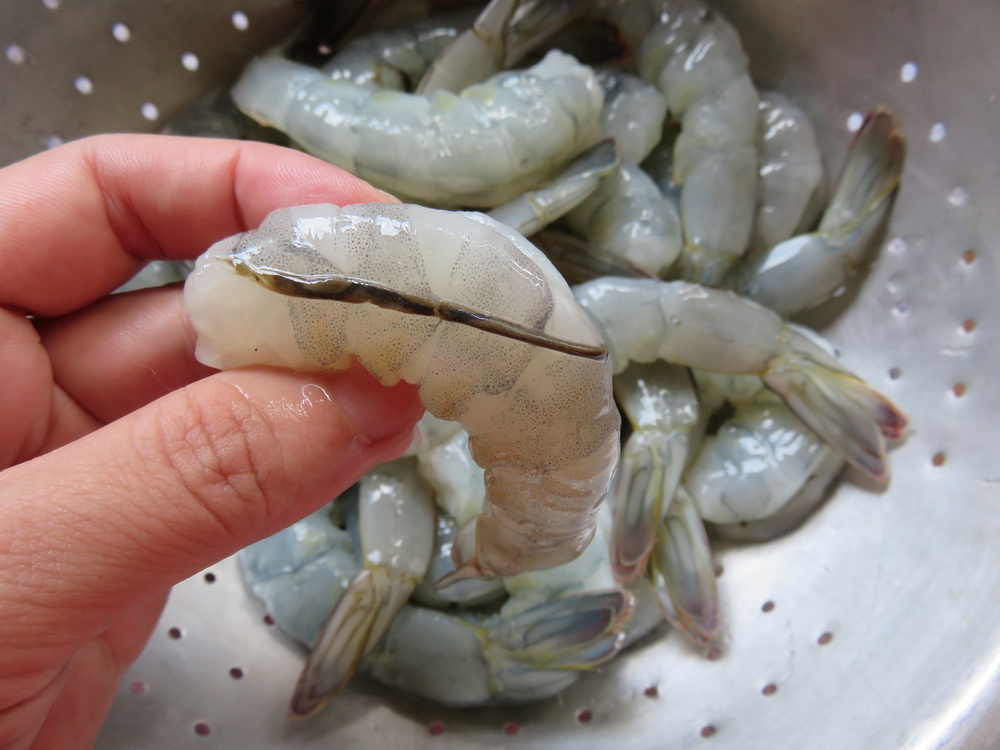
From a strict food safety standpoint, eating a cooked shrimp with the digestive tract intact will rarely make you sick, provided the seafood has been thoroughly cooked to kill any lingering bacteria. However, culinary and health experts point out several valid reasons why taking the extra minute to remove it is worthwhile.
Why You May Want to Skip Eating It
While not inherently toxic, leaving the black vein in place can negatively impact your dining experience in a few distinct ways:
-
Gritty Texture: Because the digestive tract can trap microscopic grains of sand or silt from the seafloor, biting into an uncleaned shrimp can sometimes produce an unpleasant, gritty crunch.
-
Bitter or Muddy Flavor: The contents of the tract can impart a bitter, metallic, or muddy taste, overshadowing the clean, sweet flavor of the fresh seafood.
-
Visual Presentation: Especially in larger shrimp or prawns, the dark line stands out starkly against the translucent or pink meat, making dishes look less appetizing and professionally prepared.
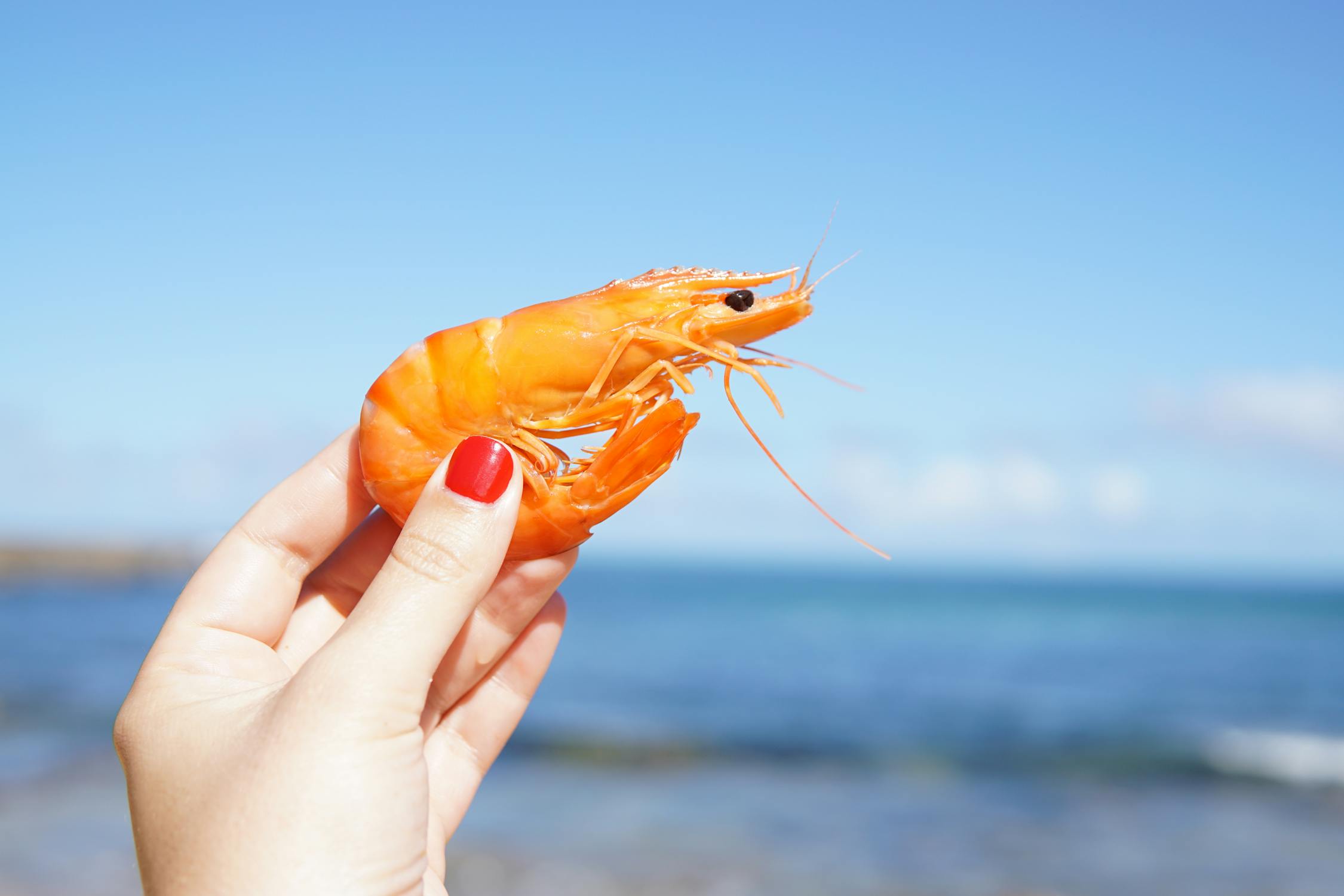
A Simple Guide to Cleaning and Deveining Shrimp
Preparing shrimp properly is a straightforward process that takes very little time once you get the hang of it:
-
Thaw and Rinse: If using frozen shrimp, thaw them completely in the refrigerator or under cold running water, then rinse gently to remove surface debris.
-
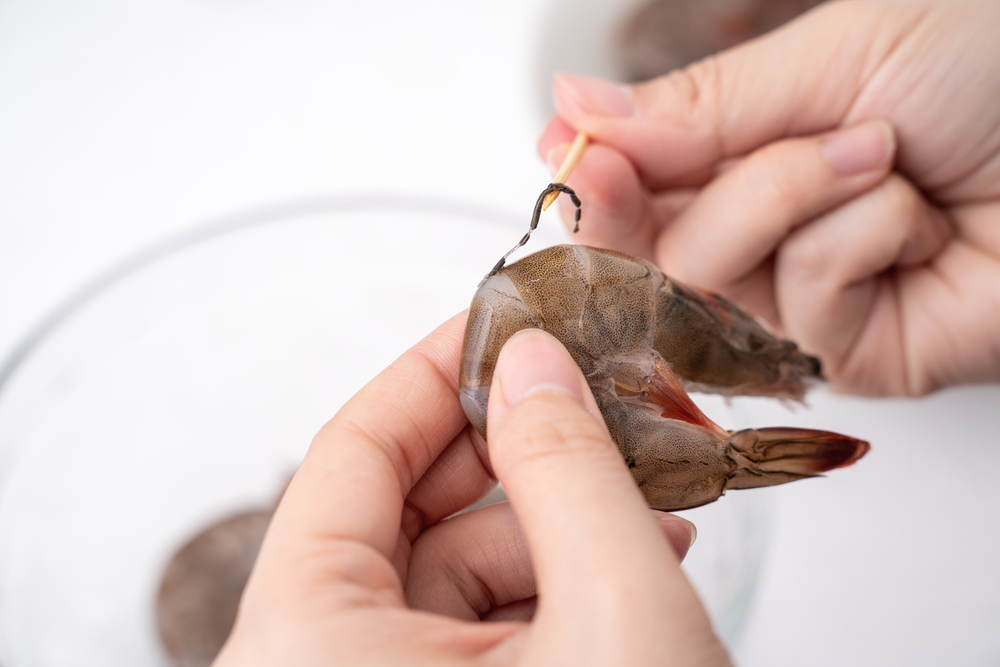
Make a Shallow Cut: Using a sharp paring knife or a specialized shrimp deveiner tool, make a shallow incision along the outer curve of the shrimp’s back, right above the dark line.
-
Lift Out the Vein: Use the tip of the knife or your fingers to gently grab the exposed dark tract and pull it out. For smaller shrimp, the vein is often so thin and fine that many home cooks choose to leave it, as it rarely affects taste or texture.
-
Final Rinse: Give the cleaned shrimp one final rinse under cold water to wash away any remaining particles before cooking.
Cooking Tips for Perfect Shrimp
To get the most out of your preparation, avoid overcooking—shrimp cooks very quickly (usually within 2 to 3 minutes) and turns rubbery and tough if left on the heat too long. Whether you are sautéing them with butter and garlic or tossing them onto a grill, starting with properly cleaned shrimp guarantees an optimal texture and flavor.
The Bottom Line
While the black vein in shrimp is not a dangerous poison, removing it is a small culinary step that makes a major difference. Taking the time to properly clean your seafood ensures a grit-free bite, a cleaner flavor profile, and a restaurant-quality presentation every time you cook.