However, iron deficiency has many other causes, including heavy menstrual bleeding, inadequate dietary intake, pregnancy, intestinal bleeding, and absorption disorders.
If blood tests reveal unexplained iron deficiency, doctors may consider investigating the gastrointestinal tract, including testing for H. pylori when appropriate.
12. Persistent Bad Breath May Have Many Possible Causes
Some people associate H. pylori infection with chronic bad breath, also known as halitosis.
Research has investigated a possible relationship between H. pylori and unpleasant breath odor. However, the evidence is mixed, and a direct causal connection has not been firmly established.
Most persistent bad breath originates in the mouth rather than the stomach.
Common causes include:
-
Poor oral hygiene.
-
Gum disease.
-
Tooth decay.
-
Dry mouth.
-
Tongue coating.
-
Certain foods.
-
Smoking.
-
Tonsil stones.
-
Sinus and throat conditions.
Acid reflux can also contribute to unpleasant tastes or odors in some people.
If bad breath persists despite good oral hygiene, a dental examination is a sensible first step. Further medical evaluation may be appropriate if digestive symptoms are also present.
Bad breath alone is not a reliable reason to diagnose or treat H. pylori.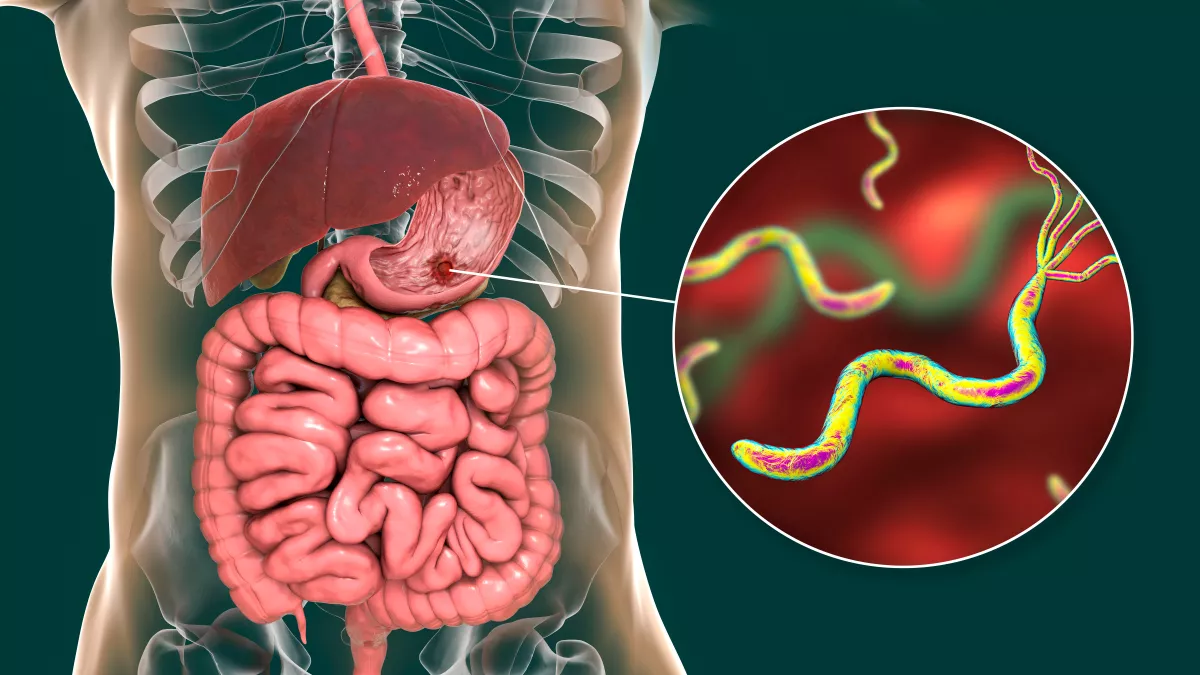
13. H. pylori Can Cause Gastritis
Gastritis refers to inflammation of the stomach lining.
H. pylori is one of the most important causes of chronic gastritis worldwide.
After entering the stomach, the bacterium uses an enzyme called urease to help it survive in the acidic environment. This enzyme breaks down urea and produces substances that help neutralize acid around the bacterium.
H. pylori also has structures that allow it to move through the mucus covering the stomach lining and establish an infection.
The immune system responds to the bacterium, producing inflammation.
Over time, this inflammation may damage the protective lining of the stomach.
Some people with chronic gastritis experience no symptoms. Others develop upper abdominal pain, nausea, bloating, or indigestion.
Long-standing infection can also lead to changes in the stomach lining, including atrophic gastritis and intestinal metaplasia in some individuals.
These changes are important because they can increase the risk of stomach cancer, although most people infected with H. pylori will never develop this disease.
14. H. pylori Can Lead to Peptic Ulcers
One of the most significant complications of H. pylori infection is peptic ulcer disease.
An ulcer is an open sore that develops in the lining of the stomach or duodenum.
Normally, the stomach has several protective mechanisms that prevent digestive acid from damaging its own tissues.
H. pylori can weaken these defenses and trigger inflammation, making the lining more vulnerable to injury.
The symptoms of an ulcer may include:
-
Burning or gnawing pain in the upper abdomen.
-
Pain that occurs between meals.
-
Pain that wakes you at night.
-
Nausea.
-
Bloating.
-
Feeling full quickly.
Some ulcers cause few or no symptoms until a complication develops.
Two particularly serious complications are bleeding and perforation.
Ulcer bleeding
An ulcer can damage a blood vessel and cause bleeding.
Warning signs include vomiting blood, vomiting material that resembles coffee grounds, and passing black, tarry stools.
Significant blood loss can cause weakness, dizziness, fainting, or rapid heartbeat.
These symptoms require urgent medical attention.
Ulcer perforation
A perforation occurs when an ulcer creates a hole through the wall of the stomach or duodenum.
This can allow digestive contents to enter the abdominal cavity, causing a serious infection.
Sudden, severe abdominal pain, a rigid or extremely tender abdomen, and fever may be warning signs.
A suspected perforated ulcer is a medical emergency.
15. Why Some People Have H. pylori Without Any Symptoms
One of the most confusing aspects of H. pylori is that many infected people feel completely healthy.
The bacterium can live in the stomach for years without producing noticeable symptoms.
Some people develop chronic gastritis but do not experience pain or indigestion.
Others may have mild symptoms that come and go, making it difficult to recognize an underlying infection.
Whether a person develops symptoms depends on several factors, including bacterial characteristics, the individual's immune response, genetics, environmental influences, and other medical conditions.
The presence of H. pylori does not automatically mean someone has an ulcer or serious stomach disease.
However, even people without symptoms may develop complications over time. Certain individuals may therefore benefit from testing and treatment depending on their medical history and risk factors.
16. How H. pylori Spreads
Understanding how H. pylori spreads can help people reduce their risk of infection.
The bacterium is believed to spread primarily through oral-oral and fecal-oral routes.
Possible transmission pathways include exposure to contaminated saliva, vomit, or fecal material.
Infection is often acquired during childhood, particularly in environments where people live in close contact or where access to clean water and adequate sanitation is limited.
Potential risk factors include:
-
Living in a household with someone infected.
-
Growing up in an area where H. pylori is common.
-
Limited access to safe drinking water.
-
Poor sanitation and hygiene conditions.
-
Crowded living environments.
The exact route of transmission is not always identifiable.
H. pylori is not simply a result of eating spicy food, drinking coffee, or experiencing stress. These factors may influence digestive symptoms, but they do not directly create the bacterial infection.