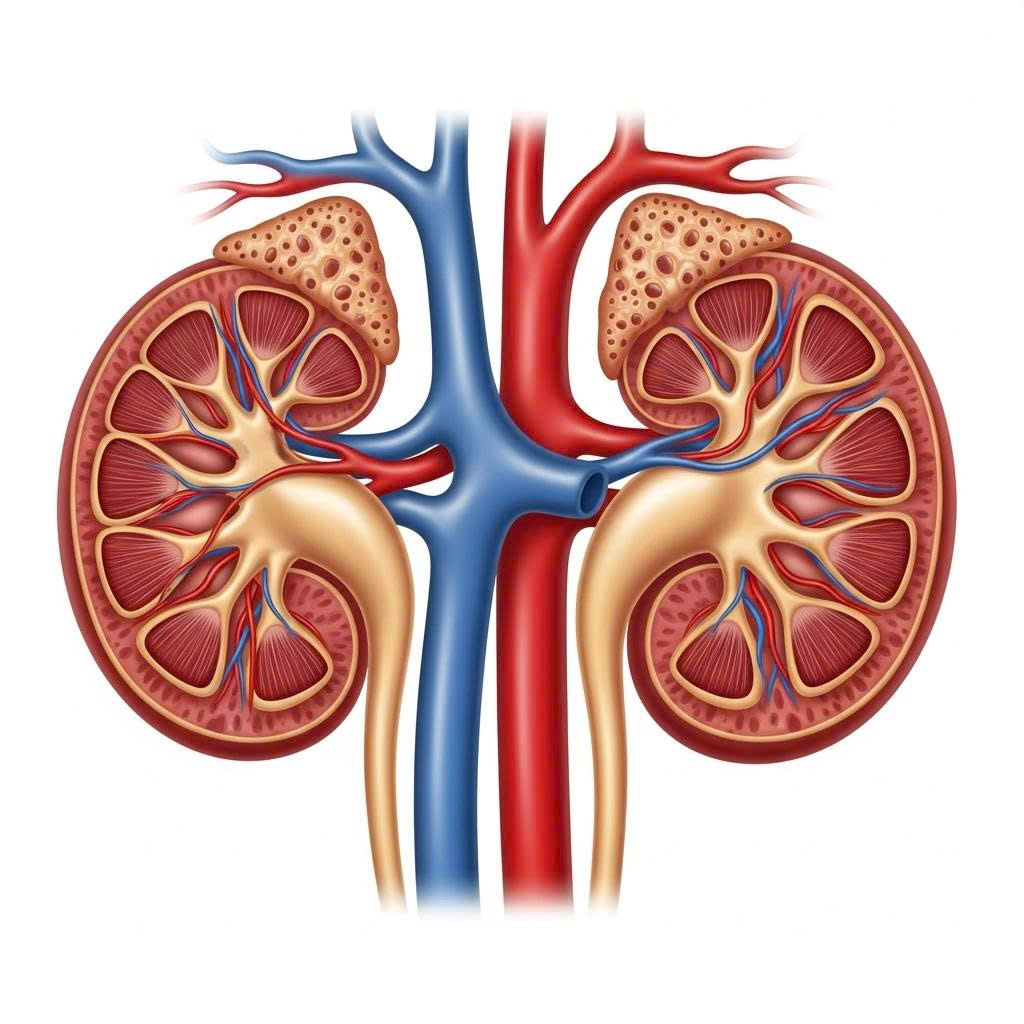
Your kidneys are two remarkable organs that work around the clock to keep your body healthy. Although each kidney is only about the size of a fist, together they perform hundreds of essential tasks every day. They filter waste products from your blood, regulate fluid balance, help control blood pressure, produce hormones that support red blood cell production, maintain healthy bones, and keep important minerals in balance.
Despite their importance, kidney disease often develops quietly. In its early stages, many people experience few or even no—noticeable symptoms. As a result, kidney problems can go undetected for months or even years until significant damage has already occurred.
The good news is that understanding the early warning signs and adopting healthy lifestyle habits can help protect your kidneys and support their normal function. While no article can replace professional medical advice, learning about kidney health can help you recognize when it's time to speak with your healthcare provider.
Let's explore how your kidneys work, the early signs of kidney problems, common risk factors, and practical ways to keep your kidneys healthy.

Why Your Kidneys Are So Important
Your kidneys perform several critical functions that keep your body in balance.
Every day, they:
-
Filter waste products from the blood
-
Remove excess water through urine
-
Balance electrolytes such as sodium and potassium
-
Help regulate blood pressure
-
Support healthy red blood cell production through the hormone erythropoietin
-
Activate vitamin D for healthy bones
-
Maintain acid-base balance
Healthy kidneys filter approximately 150 to 180 liters of blood-derived fluid each day, returning most of it to the bloodstream while removing waste through urine.
What Is Kidney Disease?
Kidney disease occurs when the kidneys become damaged and lose some of their ability to filter blood effectively.
There are two broad categories:
Acute Kidney Injury (AKI)
AKI develops suddenly, often over hours or days.
Possible causes include:
-
Severe dehydration
-
Certain medications
-
Serious infections
-
Reduced blood flow to the kidneys
Prompt medical treatment can often improve kidney function.
Chronic Kidney Disease (CKD)
CKD develops gradually over months or years.
Common causes include:
-
Diabetes
-
High blood pressure
-
Certain inherited conditions
-
Autoimmune diseases
-
Long-term kidney inflammation
Early detection is especially important because treatment can help slow disease progression.
Early Warning Signs of Kidney Problems
Many early symptoms are subtle and can easily be mistaken for other conditions.
Here are some common signs that deserve attention.
1. Changes in Urination
One of the earliest signs may involve changes in your normal urination pattern.
You might notice:
-
Urinating more often
-
Urinating less frequently
-
Waking several times at night to urinate
-
Difficulty urinating
-
Changes in urine color
-
Foamy or bubbly urine
-
Blood in the urine
While these symptoms can have many causes—including urinary tract infections or enlarged prostate—they should always be evaluated by a healthcare professional.
2. Persistent Fatigue
Healthy kidneys produce a hormone called erythropoietin, which helps stimulate red blood cell production.
When kidney function declines, some people develop anemia, leading to:
-
Fatigue
-
Weakness
-
Reduced concentration
-
Shortness of breath during activity
Persistent fatigue has many possible causes, but kidney disease is one of them.
3. Swelling (Edema)
The kidneys help regulate fluid balance.
If they cannot remove excess fluid efficiently, swelling may develop.
Common areas include:
-
Ankles
-
Feet
-
Lower legs
-
Hands
-
Face
-
Around the eyes
Persistent swelling should never be ignored.
4. Puffiness Around the Eyes
Some people notice swelling around the eyes, especially in the morning.
This may occur because damaged kidneys allow protein to leak into the urine.
Protein loss can contribute to fluid shifts that cause puffiness.
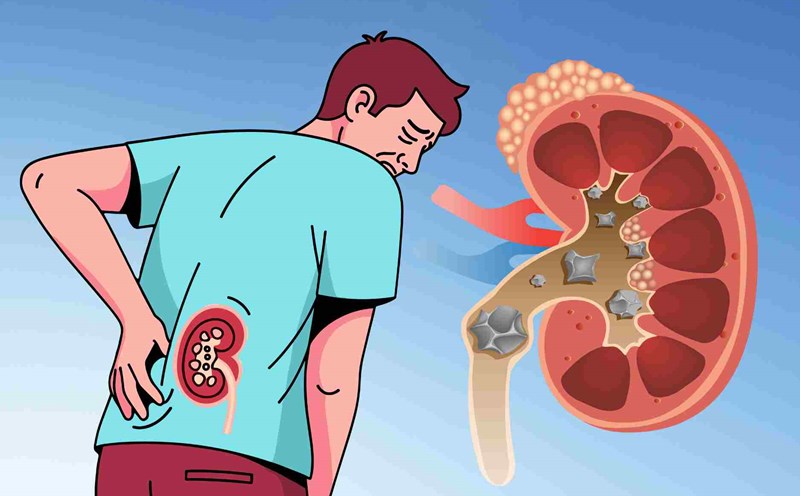
5. Foamy Urine
Urine that consistently appears unusually foamy may indicate excess protein in the urine, known as proteinuria.
Although occasional bubbles are normal, persistent foam deserves medical evaluation.
6. Loss of Appetite
Waste products that normally leave the body through urine may accumulate when kidney function declines.
This can contribute to:
-
Reduced appetite
-
Nausea
-
Unintended weight loss
-
A metallic taste in the mouth
Many other conditions can also cause these symptoms.
7. Muscle Cramps
Healthy kidneys help maintain proper electrolyte balance.
Abnormal levels of minerals such as calcium, potassium, or magnesium may contribute to muscle cramps.
Frequent cramping should be discussed with a healthcare provider.
8. Dry, Itchy Skin
Kidneys help maintain the balance of minerals that support healthy skin.
Advanced kidney disease may contribute to:
-
Dry skin
-
Persistent itching
However, many common skin conditions produce similar symptoms.
9. High Blood Pressure
High blood pressure and kidney disease have a close relationship.
High blood pressure can damage the kidneys over time.
At the same time, damaged kidneys may contribute to elevated blood pressure.
Regular blood pressure monitoring is one of the best ways to protect kidney health.
10. Difficulty Concentrating
As kidney function declines, anemia and the buildup of waste products may contribute to:
-
Poor concentration
-
Mental fatigue
-
Difficulty focusing
These symptoms are nonspecific but should be evaluated if persistent.
Who Is at Higher Risk?
Certain people have a greater chance of developing kidney disease.
Risk factors include:
-
Diabetes
-
High blood pressure
-
Heart disease
-
Obesity
-
Smoking
-
Age over 60
-
Family history of kidney disease
-
Long-term use of certain pain medications
-
Autoimmune disorders
If you have one or more of these risk factors, regular medical checkups are especially important.
Foods That Support Healthy Kidneys
No single food can "cleanse" or "detox" the kidneys. However, a balanced diet rich in whole foods can support normal kidney function.
Berries
Blueberries, strawberries, and raspberries provide antioxidants and vitamin C.
Leafy Greens
Kale, bok choy, spinach, and cabbage provide vitamins and fiber.
People with advanced kidney disease may need to monitor potassium intake, so dietary recommendations should be individualized.
Garlic
Garlic adds flavor without extra sodium.
It also contains antioxidant compounds.
Olive Oil
Extra virgin olive oil provides heart-healthy monounsaturated fats.
Healthy blood vessels support healthy kidneys.
Fatty Fish
Salmon, sardines, and trout contain omega-3 fatty acids that support cardiovascular health.
Apples
Apples provide fiber and antioxidants while remaining naturally low in sodium.
Healthy Habits That Protect Your Kidneys
Lifestyle choices have a powerful impact on kidney health.
Stay Hydrated
Adequate hydration supports normal kidney function.
Most healthy adults should drink enough fluids to satisfy thirst and maintain pale yellow urine, though individual needs vary.
People with certain medical conditions may require personalized fluid recommendations.
Control Blood Pressure
Keeping blood pressure within a healthy range is one of the most effective ways to protect your kidneys.
Follow your healthcare provider's recommendations regarding diet, exercise, and medications.
Manage Blood Sugar
If you have diabetes, maintaining healthy blood sugar levels can reduce the risk of kidney complications.
Regular monitoring and adherence to your treatment plan are essential.
Exercise Regularly
Aim for at least 150 minutes of moderate physical activity each week, such as:
-
Walking
-
Swimming
-
Cycling
-
Dancing
Physical activity supports heart health, healthy blood pressure, and weight management.
Avoid Smoking
Smoking reduces blood flow to the kidneys and increases the risk of chronic kidney disease.
Quitting smoking benefits nearly every organ in the body.
Use Pain Relievers Carefully
Frequent or long-term use of nonsteroidal anti-inflammatory drugs (NSAIDs), such as ibuprofen or naproxen, can affect kidney function in some people, particularly those with existing kidney disease or dehydration.
Always follow label directions and consult your healthcare provider if you require these medications regularly.
When Should You See a Doctor?
Contact your healthcare provider if you experience:
-
Blood in your urine
-
Persistent swelling
-
Significant changes in urination
-
Ongoing fatigue without explanation
-
Foamy urine that doesn't go away
-
High blood pressure that is difficult to control
-
Persistent nausea or loss of appetite
Simple blood and urine tests can often provide valuable information about kidney function.
Frequently Asked Questions
Can kidney disease be reversed?
Some causes of acute kidney injury may improve with treatment. Chronic kidney disease is usually not reversible, but early diagnosis and appropriate management can often slow its progression and help preserve kidney function.
How often should kidney function be checked?
People with diabetes, high blood pressure, or other risk factors should follow their healthcare provider's recommendations for routine blood and urine testing.
Do kidney cleanses work?
There is no reliable scientific evidence that detox drinks, cleanses, or herbal products improve kidney function in healthy people or treat kidney disease.
Your kidneys naturally filter waste products every day.
Is drinking more water always better?
Not necessarily.
Staying adequately hydrated is important, but drinking excessive amounts of water does not "flush" the kidneys or prevent kidney disease.
Fluid needs vary based on age, climate, activity level, and medical conditions.
The Bottom Line
Your kidneys perform countless vital tasks every day, often without you ever noticing. Because early kidney disease frequently develops without obvious symptoms, paying attention to subtle changes—such as swelling, fatigue, foamy urine, changes in urination, or persistent high blood pressure—can help you recognize when it's time to seek medical advice.
Protecting your kidneys doesn't require expensive detox programs or miracle supplements. Instead, focus on evidence-based habits: eat a balanced diet rich in fruits, vegetables, whole grains, and healthy fats; stay physically active; manage blood pressure and blood sugar; avoid smoking; use medications responsibly; and keep up with regular health checkups, especially if you have risk factors.
Most importantly, remember that early detection can make a significant difference. If you notice persistent symptoms or have concerns about your kidney health, consult a healthcare professional. With informed choices and consistent healthy habits, you can support your kidneys and help them continue performing their essential work for years to come.