A stroke can change a life in an instant - but what many people don’t realize is that the body often sends warning signals beforehand. One of the most important of these signals is a mini-stroke, medically known as a Transient Ischemic Attack.
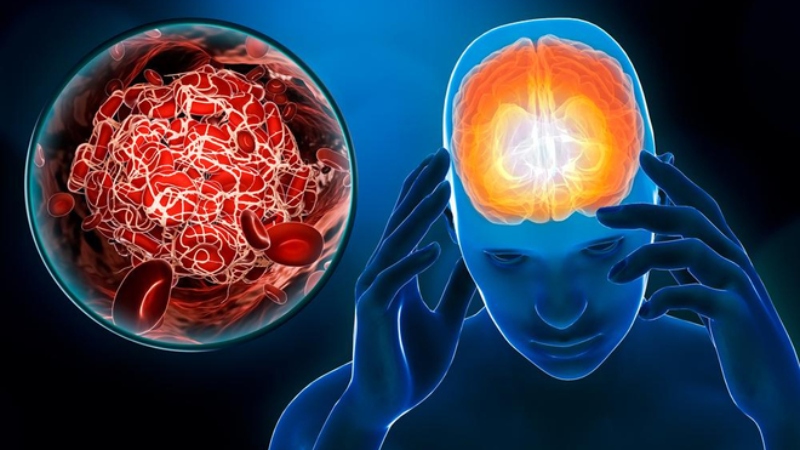
A mini-stroke is a temporary blockage of blood flow to the brain. While the symptoms may disappear within minutes or hours, it should never be ignored. In fact, it is often a critical warning sign that a major stroke could happen soon.
Understanding how to recognize these early symptoms can make the difference between prevention and a life-threatening emergency.
What Is a Mini-Stroke?

A Transient Ischemic Attack occurs when blood flow to part of the brain is briefly interrupted. Unlike a full stroke, the blockage is temporary and does not cause permanent damage - but the risk it signals is very real.
Key facts:
- Symptoms usually last a few minutes to a few hours
- No lasting brain damage (in most cases)
- High risk of a major stroke within days or weeks
The Most Important Warning Signs: Think FAST
Doctors often use the FAST method to identify stroke symptoms quickly:
F – Face Drooping
- One side of the face may droop or feel numb
- Ask the person to smile - does it look uneven?
A – Arm Weakness
- One arm may feel weak, numb, or difficult to lift
- Ask them to raise both arms - does one drift downward?
S – Speech Difficulty
- Slurred or strange speech
- Trouble understanding or forming sentences
T – Time to Act
- If you notice any of these signs, seek emergency help immediately
Even if symptoms go away, it is still an emergency.
Other Early Symptoms You Shouldn’t Ignore
Mini-strokes don’t always present in obvious ways. Other signs may include:
- Sudden confusion or difficulty understanding
- Vision problems in one or both eyes
- Dizziness or loss of balance
- Severe headache with no known cause
- Numbness on one side of the body
These symptoms may come and go quickly but they are serious.

Why Mini-Strokes Are So Dangerous
One of the biggest risks of a mini-stroke is that people often ignore it because symptoms disappear.
However:
- Up to 1 in 3 people who have a TIA will later have a full stroke
- The highest risk period is within the first 48 hours
- Early treatment can significantly reduce the risk
A mini-stroke is not “mild” - it is a warning shot from your body.
What Causes a Mini-Stroke?
Mini-strokes are usually caused by:
- Blood clots temporarily blocking brain arteries
- Narrowed blood vessels due to plaque buildup
- Heart-related conditions affecting blood flow
Risk factors include:
- High blood pressure
- Smoking
- Diabetes
- High cholesterol
- Lack of physical activity
What to Do If You Notice Symptoms
If you or someone else shows symptoms:
- Call emergency services immediately
- Do not wait for symptoms to pass
- Note the time symptoms started
- Stay calm and keep the person safe
Even if the symptoms disappear, medical evaluation is essential.
Prevention: Reducing Your Risk
The good news is that many strokes can be prevented.
Steps you can take:
- Monitor and control blood pressure
- Maintain a healthy diet
- Exercise regularly
- Avoid smoking and excessive alcohol
- Manage stress and sleep well
Small lifestyle changes can have a big impact.
Common Misconceptions
- “It went away, so it’s not serious”
→ False. This is exactly what makes it dangerous - “Only older people are at risk”
→ Strokes can happen at any age - “I’ll wait and see”
→ Delays can be life-threatening
Final Thoughts
Recognizing the signs of a mini-stroke could save your life - or someone else’s. While the symptoms may be brief, the risk they signal is not.
The key is simple: act fast, take it seriously, and never ignore the warning signs.