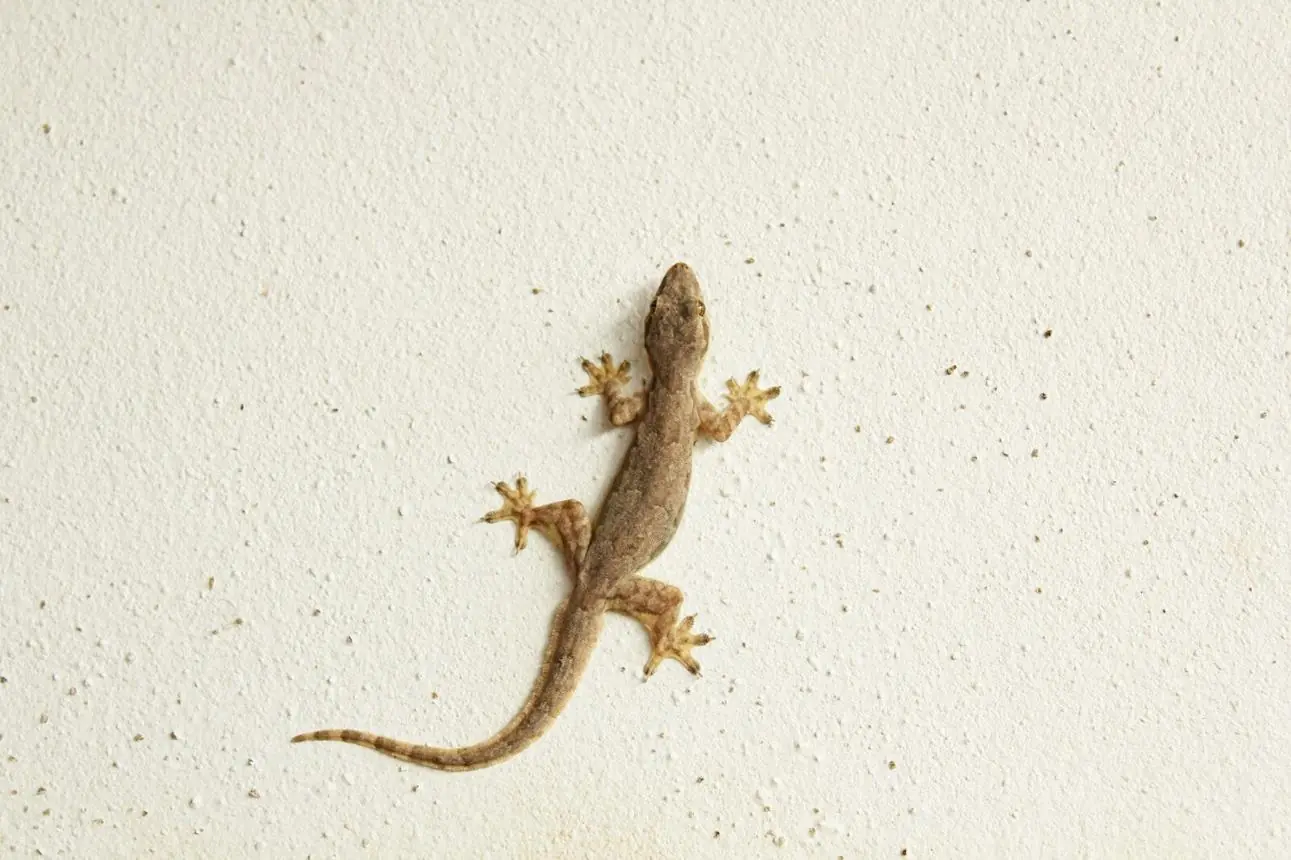
Finding a Lizard in Your House: What It May Really Be a Sign Of
A house gecko may reveal more about your home than you think.
⏱️ 1 min read 10/08/2026 22:26
Watermelon is one of the most refreshing fruits, especially during hot weather. Its high water content makes it a popular choice for snacks, desserts, smoothies, and summer meals.
But like any fresh produce, watermelon can spoil. Eating spoiled fruit may expose you to harmful microorganisms and can lead to foodborne illness.
The good news is that there are several clues you can check before eating a watermelon. Appearance, texture, smell, storage time, and how the fruit has been handled can all help you decide whether it is still suitable to eat.
Importantly, not every unusual-looking watermelon is spoiled. Some changes are simply signs of overripeness or natural variation.
Here is what to look for.
A fresh whole watermelon should generally feel firm.
If the exterior develops:
Soft spots
Sunken areas
Mushy sections
Significant indentations
it may be deteriorating.
One small soft area can sometimes result from pressure or bruising rather than spoilage, so inspect the surrounding skin carefully.
If the softness is extensive or accompanied by a bad smell, leaking liquid, or mold, it is safer to discard the fruit.
Fresh watermelon typically has a mild, sweet, refreshing aroma.
If a cut watermelon develops an odor that is:
Sour
Fermented
Alcohol-like
Rotten
Strongly unpleasant
this can indicate spoilage.
Smell is particularly useful when evaluating cut watermelon.
When in doubt, avoid tasting the fruit to determine whether it is safe. Some harmful microorganisms cannot be detected by taste or smell.
After cutting a watermelon, examine its flesh.
Fresh watermelon should generally be:
Firm
Juicy
Crisp
Moist without being slimy
A texture that becomes:
Slimy
Extremely mushy
Sticky
Watery in an unusual way
may indicate deterioration.
If the flesh looks significantly different from normal and has an unpleasant odor, discard it.
Mold is one of the clearest reasons to throw away a watermelon.
You may notice:
White fuzzy growth
Green spots
Black patches
Blue-gray mold
Fuzzy areas around damaged sections
If mold is visible on a soft, high-moisture fruit such as watermelon, do not simply cut away the moldy section and eat the rest.
Because mold can extend below the visible surface, the safer choice is to discard the entire fruit.
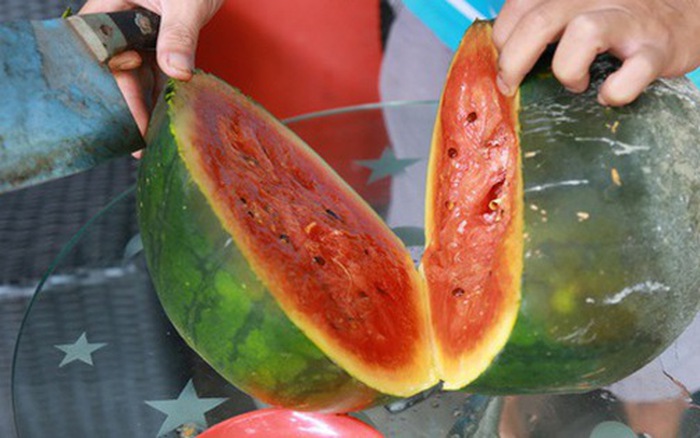
Fresh watermelon flesh is typically pink or red, depending on the variety.
Some varieties naturally have:
Yellow flesh
Orange flesh
Pale pink flesh
So color alone does not determine whether a watermelon is spoiled.
However, if a watermelon develops unusual discoloration after being cut—particularly together with a bad smell, sliminess, or mushiness—it may indicate deterioration.
As watermelon becomes overripe, its internal structure may gradually deteriorate.
You might notice:
Hollow-looking areas
Soft sections
Stringy texture
Excessive liquid
Flesh pulling away from the rind
These changes can occur as the fruit ages.
Overripe does not always mean dangerous, but when deterioration progresses to unpleasant odor, mold, slime, or significant decomposition, the fruit should be discarded.
The outer rind provides protection for the edible flesh.
A watermelon with:
Deep cracks
Punctures
Large bruises
Leaking juice
Extensive damaged areas
has a greater opportunity for microorganisms to enter.
Minor cosmetic marks are not necessarily a safety problem.
However, severe physical damage combined with improper storage or other spoilage signs is a good reason to avoid eating it.
Food safety depends not only on appearance but also on time and temperature.
Once watermelon has been cut, it should be refrigerated promptly.
Cut watermelon is much more perishable than an intact whole watermelon because cutting exposes the interior to:
Air
Hands
Knives
Cutting boards
Containers
Other surfaces
As a general food-safety practice, perishable cut fruit should not be left at room temperature for extended periods.
If cut watermelon has been sitting out for several hours in warm conditions, particularly above approximately 90°F (32°C), the safe window is shorter.
When you are uncertain about how long it has been unrefrigerated, throwing it away is the safer choice.
These should be treated differently.
An intact watermelon has its natural rind protecting the edible interior.
If stored appropriately, it can remain usable for considerably longer than cut watermelon.
Before eating, inspect it for:
Major soft spots
Mold
Leaking
Extensive damage
Unusual odor
Once sliced, watermelon becomes more vulnerable to contamination and spoilage.
Keep cut watermelon:
Covered
Refrigerated
Away from raw meat and other potential sources of contamination
Use clean utensils and containers when handling it.
The exact shelf life depends on factors such as:
Freshness when cut
Refrigerator temperature
How it was handled
Whether it was stored in a clean, covered container
As a practical food-safety guideline, properly refrigerated cut watermelon is generally best consumed within several days.
If it develops a sour smell, slime, mold, or other obvious spoilage signs before then, discard it rather than relying on the date alone.
Sometimes a watermelon has a hollow-looking area inside.
This condition is often referred to as hollow heart.
It can occur naturally during fruit development and does not automatically mean the watermelon is spoiled.
The fruit may still be safe to eat if:
It smells normal
The flesh is not slimy
There is no mold
The texture is otherwise acceptable
This is a good example of why appearance should be considered together with other signs.
Some watermelons can develop unusual internal textures due to growing conditions.
White streaks, firm areas, or variations in texture do not necessarily indicate spoilage.
However, if the fruit also has:
A sour odor
Mold
Slimy flesh
Significant decomposition
then it should be discarded.
Not necessarily.
A yellow patch on the outside of a whole watermelon is often called the field spot.
It is the area where the watermelon rested against the ground while growing.
A creamy yellow field spot can actually be a useful indication that the fruit had time to mature.
It should not be confused with mold or spoilage.
People sometimes tap a watermelon and listen for a hollow sound.
While sound may provide a rough clue about ripeness, it is not a reliable food-safety test.
A watermelon can sound good and still spoil after being cut.
Likewise, a watermelon that sounds different is not necessarily unsafe.
Use multiple indicators rather than relying on the tapping method alone.
When buying a whole watermelon, look for:
The fruit should feel solid without extensive soft spots.
Because watermelon contains a lot of water, a fruit that feels heavy for its size may be well hydrated.
This can indicate that the watermelon spent time ripening on the ground.
Avoid fruit with:
Deep cuts
Extensive bruising
Leaking
Mold
Major soft spots
Minor scratches or superficial marks are usually not a problem.
Proper storage can help maintain both quality and food safety.
Whole watermelon can generally be stored at room temperature if kept in a clean, suitable location and used within a reasonable period.
Refrigeration can help preserve quality, especially once the fruit is ripe or if the environment is hot.
Once cut:
Place watermelon in the refrigerator promptly.
Store it in a clean, covered container.
Keep the refrigerator at 40°F (4°C) or below.
Use clean utensils when serving.
Avoid leaving cut watermelon at room temperature for extended periods.
Food safety begins before the watermelon is cut.
Before slicing:
Wash your hands.
Clean the knife.
Clean the cutting board.
Rinse the whole watermelon under running water.
Dry the rind with a clean towel if appropriate.
Washing the rind is useful because bacteria on the exterior can potentially be transferred to the flesh when a knife cuts through it.
Never use soap or household disinfectants on the fruit.
If mold is visible on the flesh of a cut watermelon, washing it does not make the fruit reliably safe.
With high-moisture soft fruits, mold can extend beneath the visible surface.
The safest approach is to discard the affected fruit.
It depends on what "overripe" means.
A watermelon that is simply softer than ideal but still:
Smells normal
Has no mold
Has no slime
Has no obvious decomposition
may still be edible, although the texture and flavor may not be very appealing.
But once significant spoilage signs appear, don't take the risk.
When in doubt, throw it out.
Eating contaminated or spoiled food can cause foodborne illness.
Possible symptoms include:
Nausea
Vomiting
Diarrhea
Abdominal cramps
Fever
Symptoms may develop within hours or sometimes later, depending on the microorganism involved.
Seek medical care if symptoms are severe, persistent, or associated with significant dehydration, bloody diarrhea, high fever, or other concerning symptoms.
Young children, older adults, pregnant people, and people with weakened immune systems can be more vulnerable to complications from foodborne illness.
Fact: An unpleasant sour or fermented smell can be a sign of spoilage. It is safer to discard it.
Fact: For soft, high-moisture fruits, mold may extend below the visible surface.
Fact: A creamy yellow field spot is often a normal sign of where the fruit rested during growth.
Fact: Sound may provide limited information about ripeness but cannot reliably determine food safety.
Fact: Refrigeration slows microbial growth but does not reverse spoilage.
Before eating a watermelon, ask:
If it smells sour, fermented, or rotten, discard it.
If it is slimy, excessively mushy, or decomposing, discard it.
If yes, discard the watermelon.
Cut watermelon should be refrigerated promptly.
If you are unsure how long it has been at room temperature, especially in hot conditions, the safest option is to throw it away.
Deep cracks, punctures, leaking, or extensive bruising can increase contamination risk.
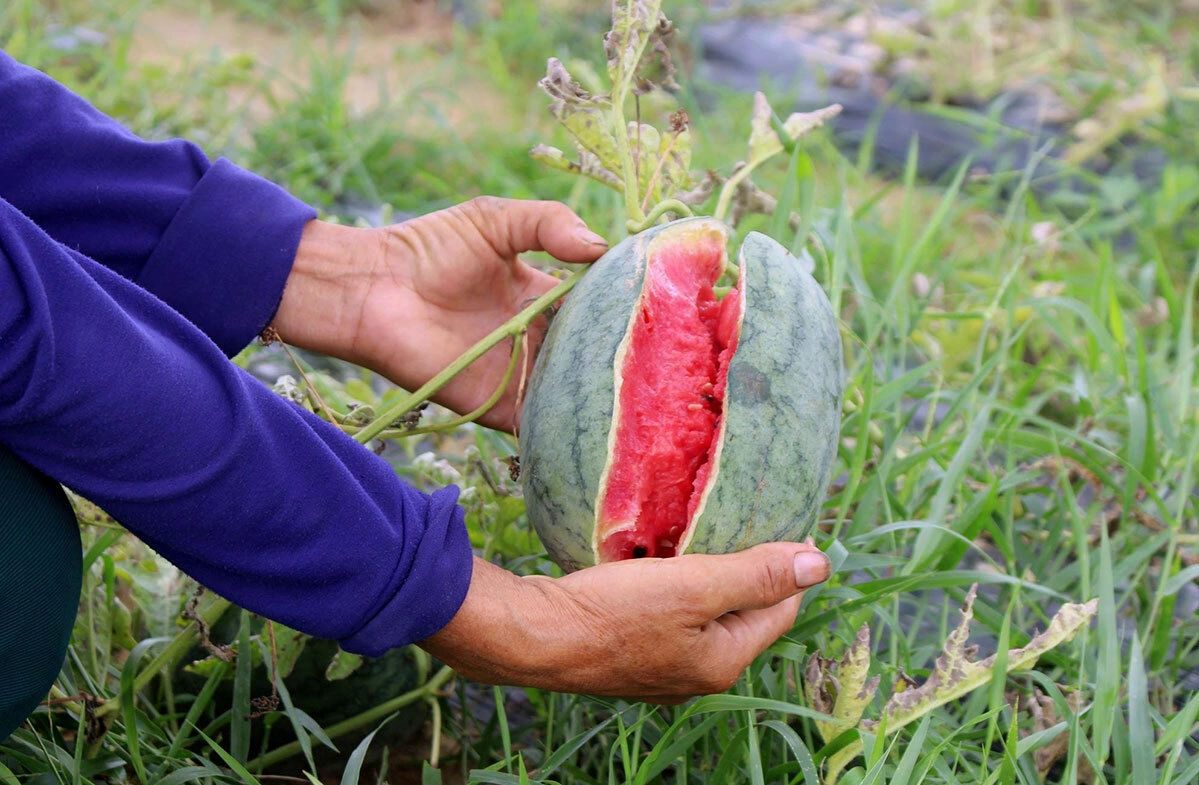
Watermelon is generally a nutritious and refreshing fruit, but like other fresh produce, it can spoil and potentially become unsafe to eat.
The most important warning signs include visible mold, a sour or fermented smell, slimy or unusually mushy flesh, leaking or extensive damage, and improper storage of cut watermelon.
Remember that not every unusual feature means spoilage. A yellow field spot, mild variation in flesh color, or a hollow center can occur naturally and does not necessarily make the fruit unsafe.
When handling watermelon, wash your hands and utensils, clean the rind before cutting, refrigerate cut pieces promptly, and keep them covered. If the fruit shows clear signs of spoilage or you are uncertain about its safety, it is better to discard it than risk foodborne illness.
A house gecko may reveal more about your home than you think.
Plant These 10 Small Plants to Help Keep Bugs Away
Just Been Bitten by a Snake? Know These Emergency Steps
Did You See the Snake or the Elephant First? Your Answer May Surprise You
One Half Lemon, Several Clever Household Uses You May Not Know
Protect your garden from snakes the natural way with these 8 plants
Purple Garlic vs. White Garlic: Key Differences Explained
These Everyday Cat Behaviors Reveal How They Really Feel
A simple classroom photo sparked a debate over children's online privacy.
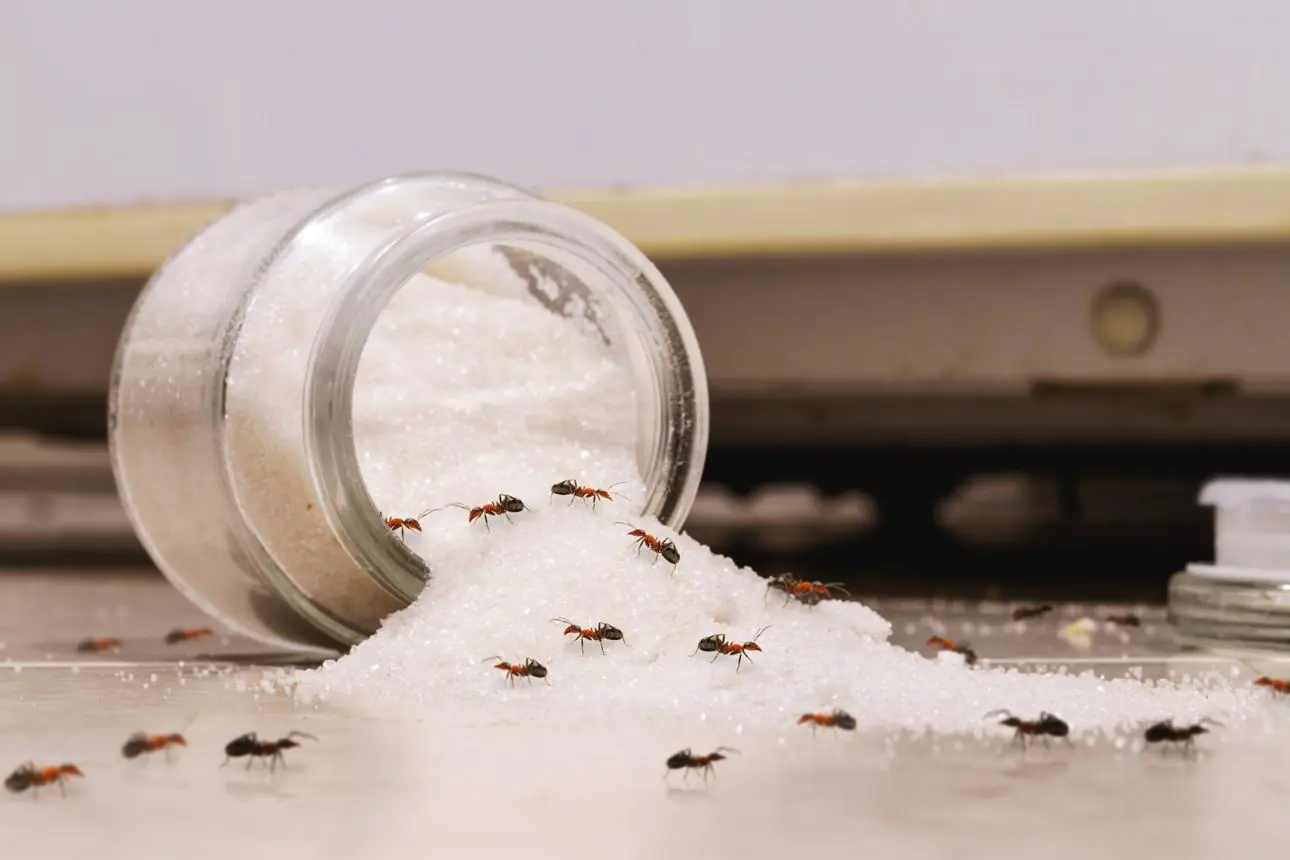
Ants in sugar don't always mean waste—use safe methods to recover it.
Home Stain Removal Tips: What Works for Different Types of Fabric Stains
What Crawled Out Shocked Me

Lemon and Salt in the Room: A Popular Home Tradition and What It May Actually Do
Want Your Lemons to Last Longer? Try This Traditional Preservation Method

A forgotten stove became a powerful reminder of everyday kitchen safety.
One Simple Onion Hack for Common Household Pests

Does Sleeping Apart Mean Your Relationship Is in Trouble?
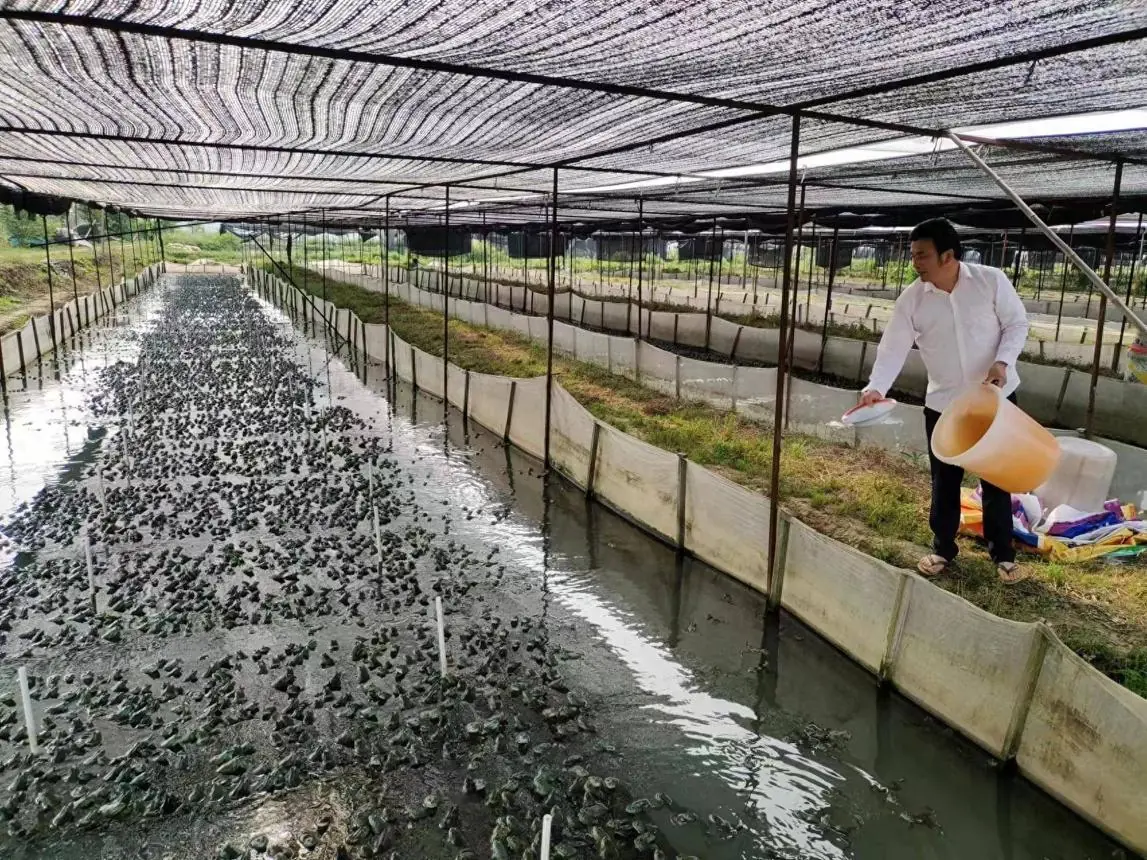
Frog meat can be safe—but only when sourced, handled, and cooked properly.
Doctors Say Avocados May Have These Surprising Effects on Your Health…
Brain Aneurysm Warning Signs Many People Overlook—Do You Know Them?
5 Skin Symptoms That Could Point to an Underlying Liver Issue
What Could Daily Eggs Be Doing to Your Body? The Truth May Surprise You…
Small changes in daily life may signal early cognitive decline.
Why Every Small Home Should Have a Spot for This Plant
A house gecko may reveal more about your home than you think.
Plant These 10 Small Plants to Help Keep Bugs Away
Why Eating Pineapple Every Day May Be Good for You?
Should You Eat an Apple Every Day? Here's What the Evidence Suggests