How to Tell If Your Potatoes Are Pois.onous: A Simple Guide to Avoiding a To.xic Tater
Potatoes are a staple in many households, but not all potatoes are safe to eat. Under certain conditions, they can develop natural toxins that may pose health risks.
Experts warn that knowing how to recognize the signs of a potentially toxic potato can help prevent food poisoning and protect your health.
Why Can Potatoes Become Toxic?
Potatoes naturally contain compounds called glycoalkaloids, including solanine. While usually present in small amounts, these toxins can increase when potatoes are exposed to light, damaged, or begin to sprout.
High levels of solanine can cause symptoms such as nausea, vomiting, headaches, and stomach pain—and in rare cases, more serious complications.
Key Warning Signs Your Potatoes May Be Unsafe
1. Green Skin or Flesh
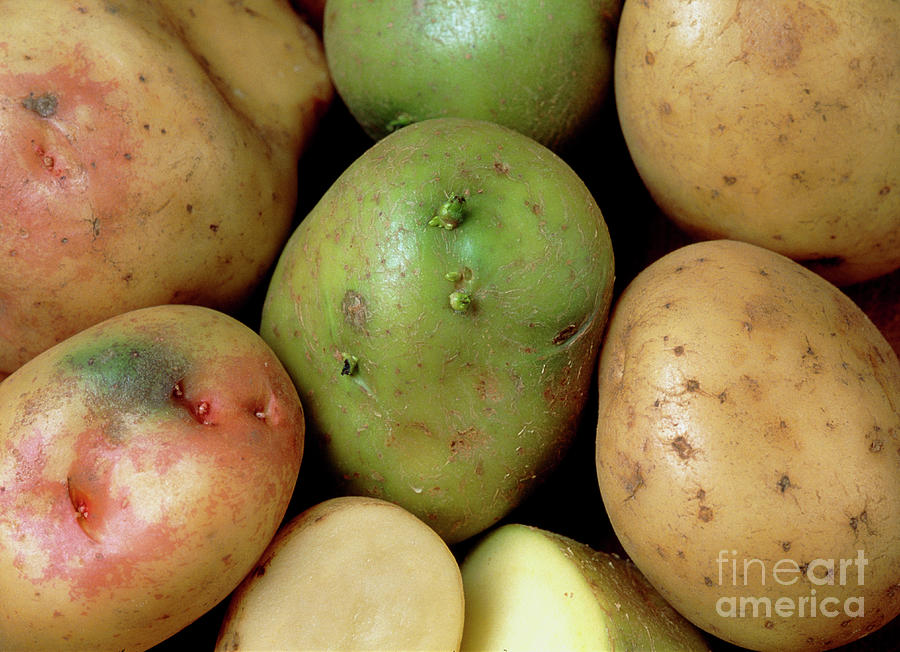
One of the most obvious signs is a green tint on the potato.
This happens when potatoes are exposed to light and produce chlorophyll. While chlorophyll itself is harmless, it often indicates the presence of higher levels of solanine.
2. Sprouting “Eyes”
If your potatoes have started to sprout, it’s a sign they are aging and may contain more toxins.
The sprouts themselves contain particularly high concentrations of solanine and should never be eaten.
3. Bitter Taste
A bitter or unpleasant taste is a strong warning sign.
Solanine has a naturally bitter flavor, so if a cooked potato tastes unusual or causes a burning sensation, it’s best to stop eating it immediately.
4. Soft, Wrinkled, or Rotten Texture
Potatoes that are mushy, shriveled, or show signs of decay may no longer be safe.
While not always toxic, these changes indicate spoilage and possible bacterial growth.
5. Dark Spots or Mold
Black spots, mold, or unusual discoloration are signs that the potato has deteriorated and should be discarded.
Can You Still Eat Slightly Green or Sprouted Potatoes?
In some cases, small green areas or sprouts can be removed.
Peeling the potato and cutting away green parts and “eyes” can significantly reduce toxin levels. However, if the potato is heavily green or tastes bitter, it’s safer to throw it away.
Importantly, cooking does not fully eliminate these toxins, so proper inspection is essential before preparing potatoes.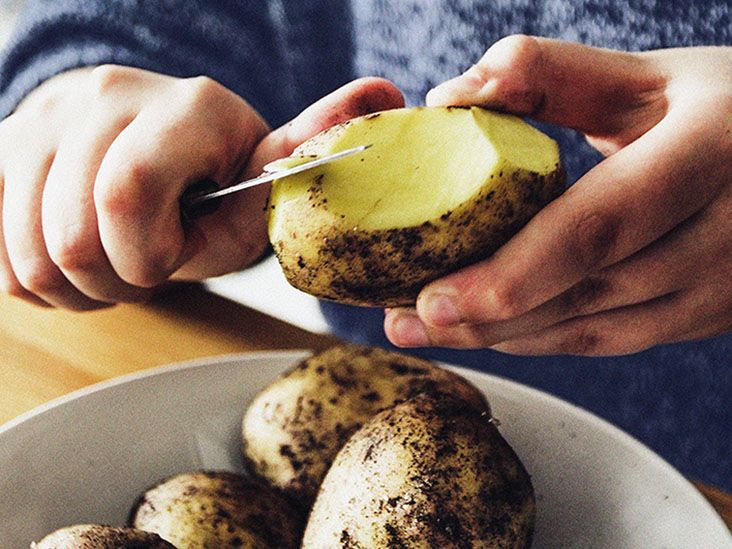
How to Store Potatoes Safely
To prevent potatoes from becoming toxic:
- Store them in a cool, dark, and dry place
- Avoid exposure to sunlight
- Do not keep them in overly warm environments
- Check regularly for sprouts or discoloration
Proper storage can significantly reduce the risk of toxin formation.
The Bottom Line
While potatoes are generally safe and nutritious, they can become harmful if stored improperly or left too long.
If you notice green coloring, sprouts, bitterness, or spoilage, it’s best not to take risks. When in doubt, throw it out.