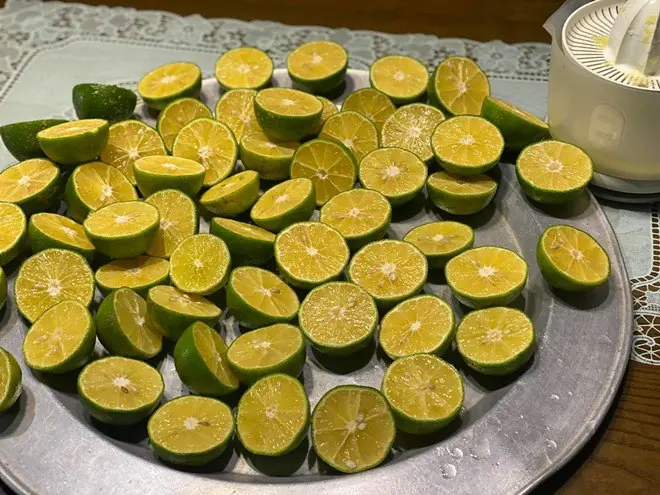
Keeping Lemons Fresh for Longer: Safe Preservation Methods That Work
Want Your Lemons to Last Longer? Try This Traditional Preservation Method
Tips 06/08/2026 00:02
Onions are one of the most common ingredients found in kitchens around the world. They add flavor to countless recipes and are valued for their vitamins, minerals, and natural plant compounds. But beyond cooking, onions have long been featured in traditional home remedies and household tips—including as a natural way to discourage certain pests.
You may have seen claims online suggesting that onions can instantly drive away rats, cockroaches, flies, mosquitoes, lizards, and other unwanted visitors. While onions contain strong-smelling sulfur compounds that may be unpleasant to some animals and insects, scientific evidence supporting onions as a reliable pest-control method is limited. In many cases, the effect is temporary or inconsistent.
That said, onions can still be part of a broader, natural approach to making your home less attractive to pests. When combined with good sanitation, sealing entry points, and proper food storage, they may offer a simple, inexpensive addition to your household routine.
Let's explore what onions may help with, how to use them, and when it's best to rely on proven pest-control methods instead.
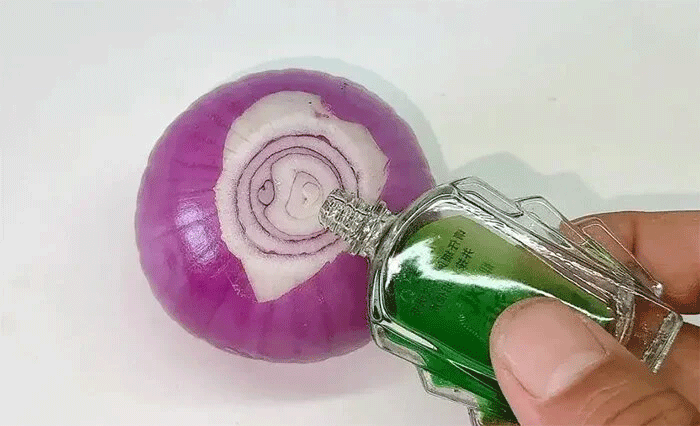
When you cut an onion, its cells release sulfur-containing compounds that create the familiar pungent aroma.
These compounds evolved as a natural defense mechanism to discourage animals from eating the plant.
Because the smell is so strong, some people believe it may also discourage certain household pests.
However, responses vary greatly between species, and many pests quickly adapt to odors if food, water, or shelter remain available.
Some traditional household guides suggest placing slices of fresh onion near areas where rodents are active.
The strong smell may temporarily discourage curious animals from approaching.
However, onions dry out quickly and lose their odor within a short time.
Onions are toxic to dogs and cats if eaten and can also be harmful to some other pets. If you have pets, avoid leaving onion slices where they could be accessed.
For long-term rodent control, focus on:
Sealing holes and cracks
Storing food in airtight containers
Cleaning up crumbs promptly
Removing clutter that provides hiding places
Trash bins often attract flies because they contain food scraps and moisture.
While onions alone won't stop flies from visiting, maintaining a clean trash area is far more effective.
Helpful tips include:
Empty bins regularly
Wash bins with soap and water
Keep lids tightly closed
Wrap food waste securely
Some people place onion slices nearby as part of a traditional home remedy, but sanitation remains the key factor.
Gardeners sometimes experiment with onions as companion plants.
The strong aroma of onion plants may help confuse certain insects that locate crops by scent.
For example, onions are commonly planted near carrots or lettuce in mixed vegetable gardens.
Although companion planting has shown promise for some pests, it should be viewed as one part of an integrated gardening strategy rather than a guaranteed solution.
Some gardeners prepare a homemade onion spray.
Ingredients:
1 medium onion
2 cups water
Instructions:
Blend the onion with water.
Strain through a fine cloth.
Pour into a spray bottle.
Spray lightly onto plant leaves.
Always test on a small section of the plant first, as some species may be sensitive.
This spray may help discourage certain insects temporarily, but it washes away easily after rain or watering.

Instead of throwing onion skins away, add them to a compost pile.
As they decompose, they contribute organic matter that supports healthy soil.
Healthy plants are generally better able to tolerate occasional insect damage than weak, stressed plants.
Some people place onions in pantry corners, believing they repel insects.
There is little scientific evidence supporting this practice.
Instead, protect pantry foods by:
Using airtight containers
Cleaning spilled flour and sugar immediately
Rotating stored foods regularly
Checking packages for signs of insects
These habits are much more effective than relying on onion odor alone.
Although onions are sometimes suggested as an ant deterrent, ants are highly adaptable.
Removing food sources, sealing entry points, and cleaning surfaces thoroughly are more dependable approaches.
If you choose to experiment with onion slices, replace them frequently before they spoil.
Many natural remedies claim onions repel mosquitoes.
Scientific evidence supporting this claim is limited.
Unlike insect repellents that contain ingredients such as DEET or picaridin, onions have not been shown to provide consistent protection against mosquito bites.
To reduce mosquitoes around your home:
Eliminate standing water
Repair window screens
Wear protective clothing outdoors
Use EPA-registered insect repellents when appropriate
Cockroaches are primarily attracted by food, moisture, and shelter.
Simply placing onions around the house is unlikely to solve an infestation.
More effective strategies include:
Fixing water leaks
Cleaning food spills promptly
Storing food securely
Sealing cracks around pipes and walls
Removing cardboard clutter
If cockroach numbers continue to grow, professional pest management may be necessary.
Some homeowners believe strong-smelling foods discourage house geckos or small lizards.
Evidence for onions specifically is mostly anecdotal.
Reducing insect populations indoors is often the most effective way to reduce lizard activity, since insects are their primary food source.
Some people prepare diluted onion water to spray around patios or garden borders.
While the odor may temporarily affect some insects, frequent reapplication is usually needed because rain and sunlight quickly reduce its strength.
Natural pest management often works best when several strategies are combined.
Examples include:
Keeping kitchens clean
Removing standing water
Sealing entry points
Maintaining dry indoor conditions
Trimming vegetation near the home
Proper garbage management
Onions can be viewed as a supplemental measure rather than the primary solution.
Regardless of the type of pest, cleanliness remains one of the most effective preventive tools.
Many household pests are searching for three basic things:
Food
Water
Shelter
Reducing access to these necessities often has a much greater impact than any natural remedy.
Simple daily habits include:
Wiping kitchen counters
Sweeping crumbs
Washing dishes promptly
Emptying trash regularly
Fixing leaking pipes
Organizing storage areas
Although onions are natural, they should still be used carefully.
Onions are toxic to dogs, cats, and several other animals.
Even cooked onions can be harmful if eaten.
Never intentionally use onions where pets may consume them.
Fresh onion spoils quickly.
Rotting onions can develop mold and unpleasant odors that create new hygiene problems.
Highly concentrated onion spray may damage delicate leaves.
Always test on one small area first.
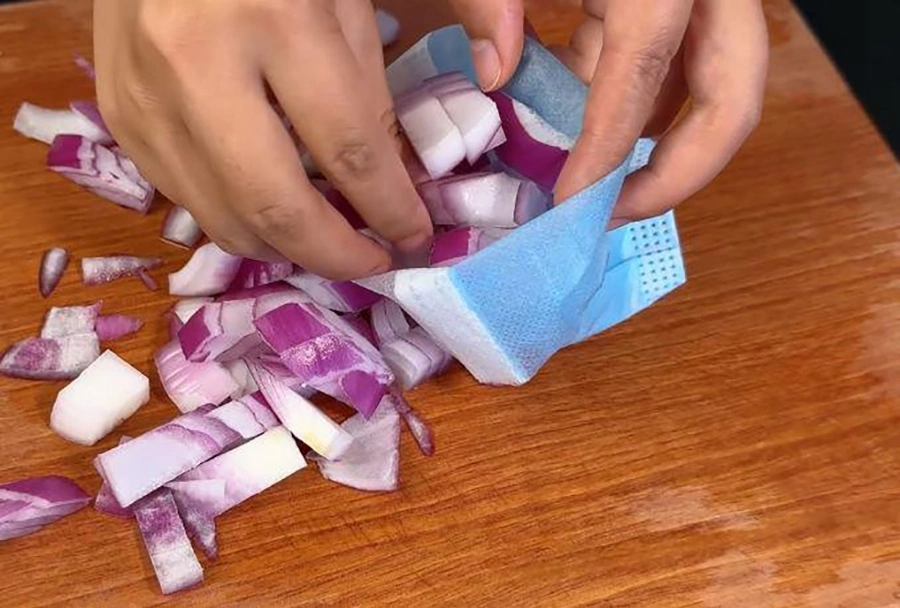
Natural approaches work best for prevention or very minor pest activity.
If you're dealing with:
Large rodent infestations
Extensive cockroach problems
Bed bugs
Termites
Dangerous stinging insects
professional pest control is usually the safest and most effective option.
Integrated pest management combines sanitation, structural repairs, monitoring, and targeted treatments to solve problems more reliably than home remedies alone.
Onions have a strong natural aroma due to sulfur-containing compounds, and this has led to their long-standing reputation as a household pest deterrent. While they may temporarily discourage certain insects or animals in some situations, current scientific evidence does not support onions as a reliable, stand-alone solution for controlling pests such as rats, flies, mosquitoes, cockroaches, or lizards.
The most effective way to keep household pests at bay is through good sanitation, proper food storage, eliminating standing water, sealing entry points, and maintaining a clean, dry home. Onions can be viewed as one small part of a broader, natural pest-prevention strategy, but they should not replace proven pest-control methods when infestations become significant.
By combining practical housekeeping habits with thoughtful natural approaches, you can create a home environment that is less inviting to unwanted pests while avoiding exaggerated claims about miracle remedies.
Want Your Lemons to Last Longer? Try This Traditional Preservation Method

A forgotten stove became a powerful reminder of everyday kitchen safety.

Does Sleeping Apart Mean Your Relationship Is in Trouble?

Frog meat can be safe—but only when sourced, handled, and cooked properly.

One simple laundry habit can keep clothes cleaner, brighter, and fresher.

Transform Your Home Routine with These Vaseline and White Vinegar Tips

Here's how to tell if your lettuce is truly fresh.
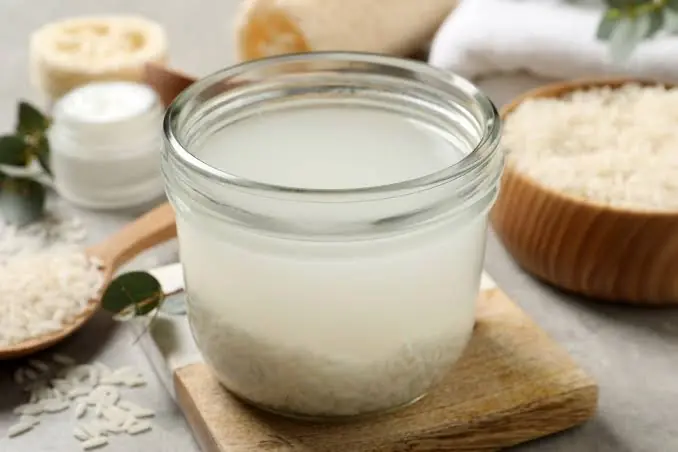
This Simple Homemade Rice Water Could Transform Your Skin and Hair Care Routine
Fresh Scents, Fewer Mosquitoes? 10 Plants to Consider for Your Home

One simple change could help your suitcase reach you faster.
😱 Your Honey May Not Be What You Think — Here’s How to Check Its Purity.
Why a Snake Plant Might Be a Great Addition to Your Bedroom?
Vaseline and Natural Ingredients: Simple Ways to Support Soft, Hydrated Skin
The Amazing Ways Rice Water Has Been Traditionally Used
Smart Lemon Storage Tips to Keep Them Fresh for Longer

Air Conditioner Fan Speed: Is High or Low the Better Choice?
A Step-by-Step Guide to Treating Mold and Peeling Paint on Walls
⚠️ If You Do This After Cooking, You Could Be Shortening the Life of Your Pipes…

That decorative cloth serves more than just an attractive hotel room design.
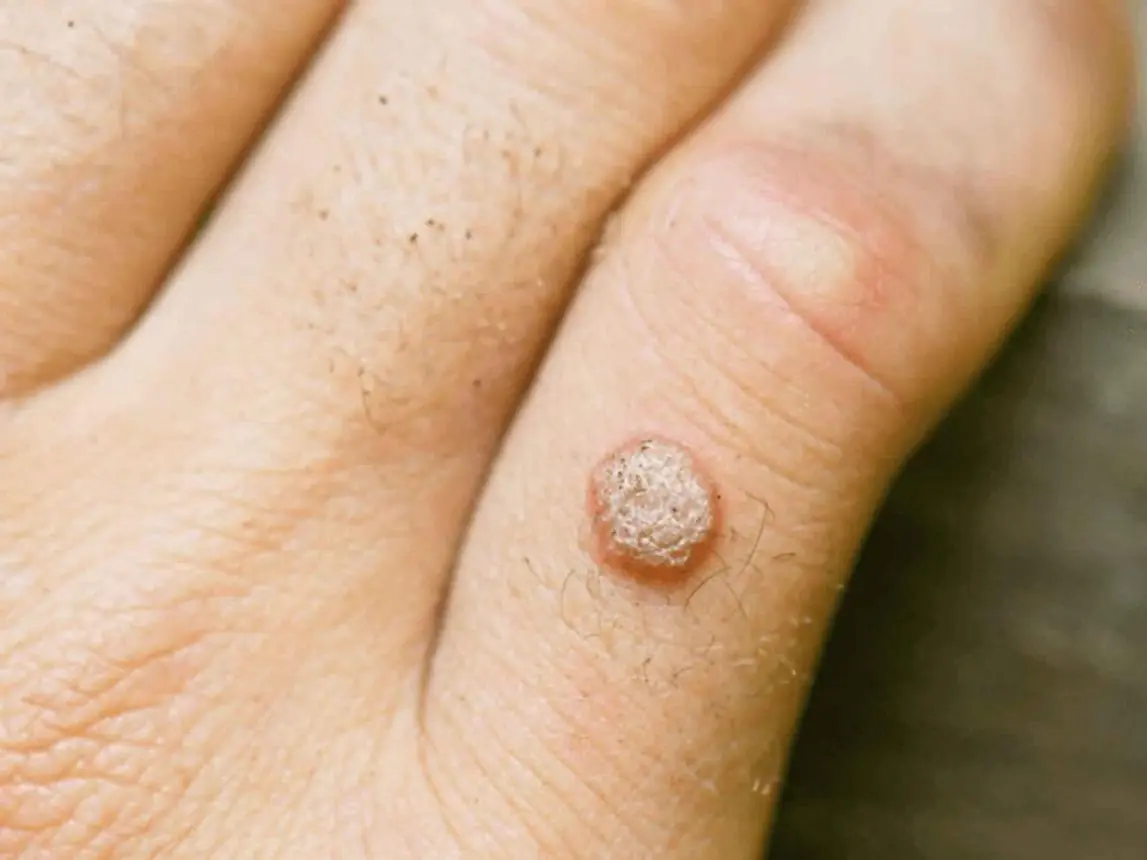
Not every skin growth is harmless—learn when treatment is truly needed.

Healthy eating habits matter, but cancer risk is rarely caused by one food.
Want Your Lemons to Last Longer? Try This Traditional Preservation Method
Orange Peels and Cloves: Traditional Wellness Practices Through a Modern Lens
A forgotten stove became a powerful reminder of everyday kitchen safety.

How Your Sleeping Position May Affect Your Health: What Research Says
Salt water may reveal tiny larvae hiding inside fresh strawberries naturally.

Stop feeding your children these 5 foods immediately.

Doctors Warn: These 4 Popular Foods May Hide Dangerous Parasite

A White Cloth on a Car Window Isn't Random. Here's Why It Matters.

Don't Ignore Leg Cramps at Night. Here's What You Should Know.
Peanuts Are Nutritious, But What Happens When You Eat Too Many? Doctors Explain… 🥜

Doctors Say Your Sleeping Position Could Affect Your Health
Eating Walnuts Every Day? Here’s How They May Affect Your Heart, Brain, and More… 🧠❤️

A 56-Year-Old Man Suffered a Stroke at Midnight—Doctors Point to These 4 Drinks.

How to check if honey is real or fake

Traditional Herbal Leaves: What We Know About Their Potential Respiratory Benefits
Thought It Was Just an Allergy, but Doctors Discovered an Unexpected Truth

23 Weird Signs of Kid.ney Disease Most People Will Miss! Doctors Say These Symptoms Should Never Be Ignore