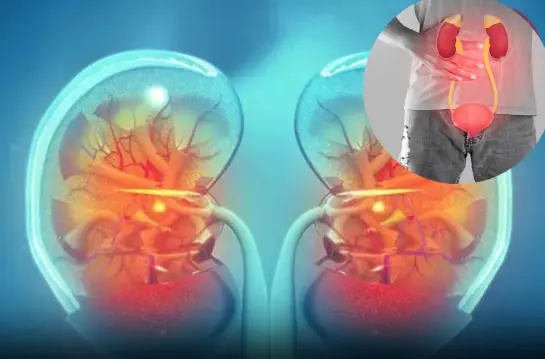
Reducing alcohol consumption - even without quitting entirely can trigger a wide range of positive changes throughout the body. While heavy drinking is widely known to harm health, emerging research shows that even moderate reductions can significantly improve physical, mental, and metabolic well-being. From your brain to your liver, your body begins to recalibrate in surprisingly fast and measurable ways once alcohol intake decreases.
Below is a comprehensive look at how your body responds when you simply cut back on alcohol.

1. Your Liver Begins to Repair Itself
The liver is one of the most affected organs when it comes to alcohol consumption. It works tirelessly to break down alcohol and remove toxins from the bloodstream. When alcohol intake is reduced, the liver gets a much-needed break.
Within days to weeks, fat accumulation in the liver can begin to decrease, especially in individuals with early-stage fatty liver. Over time, inflammation reduces, and liver function improves. This regenerative capacity makes the liver one of the first organs to show recovery.
2. Improved Brain Function and Mental Clarity
Alcohol affects neurotransmitters in the brain, slowing communication between neurons. When you cut back, cognitive function begins to improve.
Many people report better concentration, clearer thinking, and improved memory. Over time, the brain restores chemical balance, particularly in systems involving dopamine and GABA, which regulate mood and focus.
3. Better Sleep Quality
While alcohol may initially make you feel sleepy, it actually disrupts the deeper stages of sleep, particularly REM sleep. Reducing alcohol intake allows your natural sleep cycles to normalize.
As a result, sleep becomes more restorative. You may fall asleep more naturally, wake up less during the night, and feel more refreshed in the morning.
4. Stabilized Mood and Reduced Anxiety
Alcohol can temporarily relieve stress, but it often leads to increased anxiety and mood swings later. Cutting back helps stabilize emotional regulation.
Over time, your brain produces and balances neurotransmitters more effectively, leading to fewer mood fluctuations, reduced irritability, and lower levels of anxiety.

5. Weight Management and Metabolic Benefits
Alcohol is calorie-dense and often contributes to weight gain. It also slows fat metabolism because the body prioritizes processing alcohol over burning fat.
By reducing alcohol intake, calorie consumption decreases, and metabolism becomes more efficient. This can lead to gradual weight loss or easier weight maintenance, especially when combined with a healthy diet.
6. Improved Heart Health
Moderate to high alcohol consumption is associated with increased blood pressure and a higher risk of cardiovascular disease. Cutting back can help lower blood pressure and improve circulation.
Additionally, reducing alcohol may decrease triglyceride levels and inflammation, both of which are important factors in heart health.
7. Stronger Immune System
Alcohol can weaken the immune system, making the body more susceptible to infections. When alcohol intake is reduced, immune function improves.
Your body becomes better equipped to fight off viruses and bacteria, and recovery from illness may become faster and more efficient.
8. Healthier Skin Appearance
Alcohol dehydrates the body and can lead to dull, dry skin. It also triggers inflammation, which may worsen conditions like acne or redness.
Cutting back allows your body to retain more hydration, improving skin elasticity and clarity. Over time, your complexion may appear brighter and healthier.
9. Balanced Blood Sugar Levels
Alcohol can cause spikes and drops in blood sugar, especially when consumed on an empty stomach. Reducing intake helps stabilize glucose levels.
This is particularly beneficial for individuals at risk of insulin resistance or type 2 diabetes. More stable blood sugar levels also contribute to sustained energy throughout the day.
10. Increased Energy and Productivity
Alcohol can leave lingering effects such as fatigue, even after the immediate intoxication wears off. By cutting back, your energy levels begin to rise.
With better sleep, improved metabolism, and stabilized mood, many people experience increased productivity, better focus, and a greater sense of overall vitality.
Final Thoughts
Reducing alcohol consumption doesn’t require extreme measures to produce meaningful results. Even small, consistent changes can lead to noticeable improvements in how your body functions and feels.
From enhanced brain clarity and better sleep to improved liver health and stronger immunity, the benefits of cutting back are both immediate and long-term. Rather than focusing on complete elimination, simply becoming more mindful of alcohol intake can be a powerful step toward a healthier lifestyle.
In the end, your body is highly responsive and adaptable—give it the chance, and it will reward you with better performance, resilience, and well-being.