Chapter 1: A Shocking Diagnosis That Left a Couple Searching for Answers
Imagine a husband and wife sitting in a hospital room, waiting for the results of medical examinations that could change their lives forever. They may have arrived expecting answers to a few health concerns, but instead they are confronted with news that neither of them was prepared to hear: both have been diagnosed with liver cancer.
The emotional impact of such a discovery would be enormous. A cancer diagnosis is difficult for any individual to process, but learning that one's life partner is facing the same illness at the same time can make the situation even more frightening.
The image accompanying this story presents precisely that unsettling scenario. A woman lies in a hospital bed on the left, while a man rests in another bed on the right. Both appear physically exhausted, and medical equipment suggests that they are receiving hospital care. Between their beds stands an open refrigerator filled with containers, bottles and prepared foods.
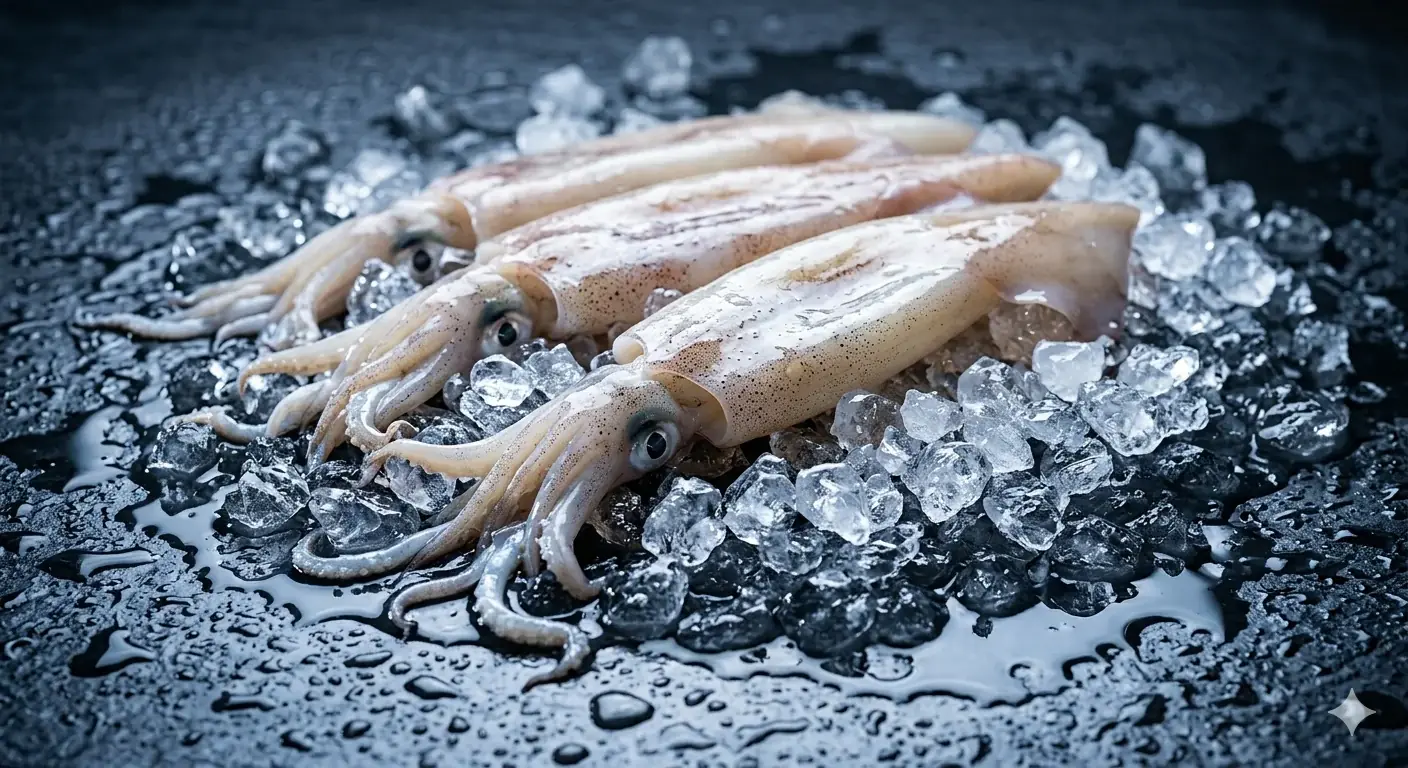
In the foreground, a circular inset draws attention to a collection of dark, glossy seafood that appears to be squid or a similar marine animal.
The accompanying headline claims that a husband and wife were diagnosed with liver cancer together and that a doctor immediately instructed them to throw away a particular food after examining their refrigerator.
It is an attention-grabbing story because it connects two things that many families associate with everyday life: the food they keep at home and the health of the people they love.
But before accepting the dramatic suggestion that one refrigerator item caused two cancer diagnoses, an important distinction must be made. The photograph does not establish that the couple's story is a documented medical case, and no reliable evidence presented with the image identifies the seafood as the cause of liver cancer.
That does not mean food safety should be ignored. On the contrary, the condition in which food is purchased, prepared and stored can have a major impact on health.
The liver is one of the body's most important organs. It processes nutrients, helps regulate metabolism, produces substances needed for digestion and breaks down many chemicals that enter the body. Because it performs so many essential functions, long-term liver disease can have serious consequences.
Liver cancer is particularly concerning because it may develop without obvious symptoms during its early stages. Some people only discover the disease after medical examinations prompted by unrelated concerns.
According to the National Cancer Institute, the most common type of primary liver cancer in adults is hepatocellular carcinoma, which frequently develops in people with long-standing liver disease or cirrhosis.
Chronic hepatitis B and hepatitis C infections are major risk factors. Heavy alcohol consumption, certain metabolic conditions and exposure to particular food contaminants can also contribute to the risk.
This means that liver cancer rarely has one simple explanation.
When two people living in the same household develop the same serious disease, doctors may consider whether they share risk factors. These could include infectious exposures, lifestyle habits, environmental conditions or similar underlying health problems.
However, two diagnoses occurring in the same family do not automatically prove that a shared meal or refrigerator item was responsible.
The distinction matters because fear-based health stories can cause unnecessary panic. A family might throw away perfectly safe food while overlooking more established health risks that deserve medical attention.
The refrigerator in the photograph nevertheless raises an important question: What should families know about the food they store every day?
Some foods can become unsafe when handled incorrectly. Others may carry contaminants that are difficult to detect by sight or smell. Certain substances produced by molds, for example, are associated with an increased risk of liver cancer.
Understanding these risks requires looking beyond the dramatic headline.
The real lesson is not that every household should stop eating seafood. It is that families should understand which food hazards are supported by scientific evidence, how to store ingredients safely and why regular medical screening matters.
A refrigerator is supposed to protect food, but it cannot correct every problem that occurred before the food entered the kitchen.
And that is where this story becomes worth examining more carefully.
Chapter 2: What Was Inside the Refrigerator, and Why Does Food Storage Matter?
The most visually striking part of the photograph is the open refrigerator.
Several plastic containers appear to hold prepared meals, vegetables, sauces and other household ingredients. Bottles and jars are arranged along the refrigerator door, while the seafood shown in the circular inset dominates the lower-right corner of the image.
The headline encourages readers to believe that the doctor immediately recognized one dangerous food.
But what exactly is the seafood?
Its appearance suggests squid or another type of cephalopod. The image alone cannot establish whether it is fresh, frozen, cooked, marinated, fermented or spoiled. It also does not show whether the food was handled properly before being placed inside the refrigerator.
These details are essential.
Seafood can be nutritious and provide high-quality protein, minerals and other nutrients. Squid, in particular, is commonly consumed in many coastal communities and can form part of a balanced diet.
The problem is not simply that seafood exists in a refrigerator.
The real concern is whether it has been contaminated, stored at an unsuitable temperature or kept for longer than recommended.
Fresh seafood is highly perishable. Once it has been harvested, bacteria and natural biochemical processes can gradually affect its quality. If the cold chain is interrupted, harmful microorganisms may multiply more rapidly.