Many women don’t realize that their partner’s daily choices can have a direct impact on their own long-term health.
Two common habits — often dismissed as harmless or purely personal — may quietly raise a wife’s risk of developing serious breast conditions.
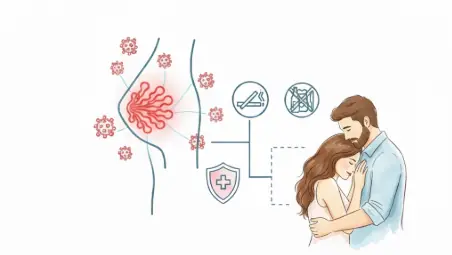
Breast health remains one of the most pressing concerns for women worldwide. It is well established that lifestyle and environment play a central role in shaping a woman’s risk, yet surprisingly, a husband’s behaviors can also influence outcomes in significant ways. A caring, supportive partner doesn’t just provide emotional security but also shares responsibility for protecting his wife’s health.
Experts warn that two seemingly small habits, often overlooked in daily life, may indirectly but powerfully contribute to increased risk factors for breast disease in women. Recognizing these risks and adjusting together as a couple can go a long way in building not just a healthier lifestyle but also a more resilient relationship.

Habit 1: Skipping Exercise, Pulling the Wife Into a Sedentary Lifestyle
It may not seem related at first glance, but a husband’s reluctance to exercise can set the tone for his partner’s routines. Couples often influence one another’s behaviors more than they realize, especially after years of marriage. When a husband spends long hours sitting, avoids physical activity, and combines that with irregular eating habits, the wife is much more likely to adopt a similar lifestyle.
Scientific studies have consistently linked physical inactivity and excess weight with a higher risk of breast problems, particularly among women over the age of 40. A lack of movement can disrupt hormonal balance, leading to increased estrogen levels — a factor known to accelerate abnormal cell growth in breast tissue.
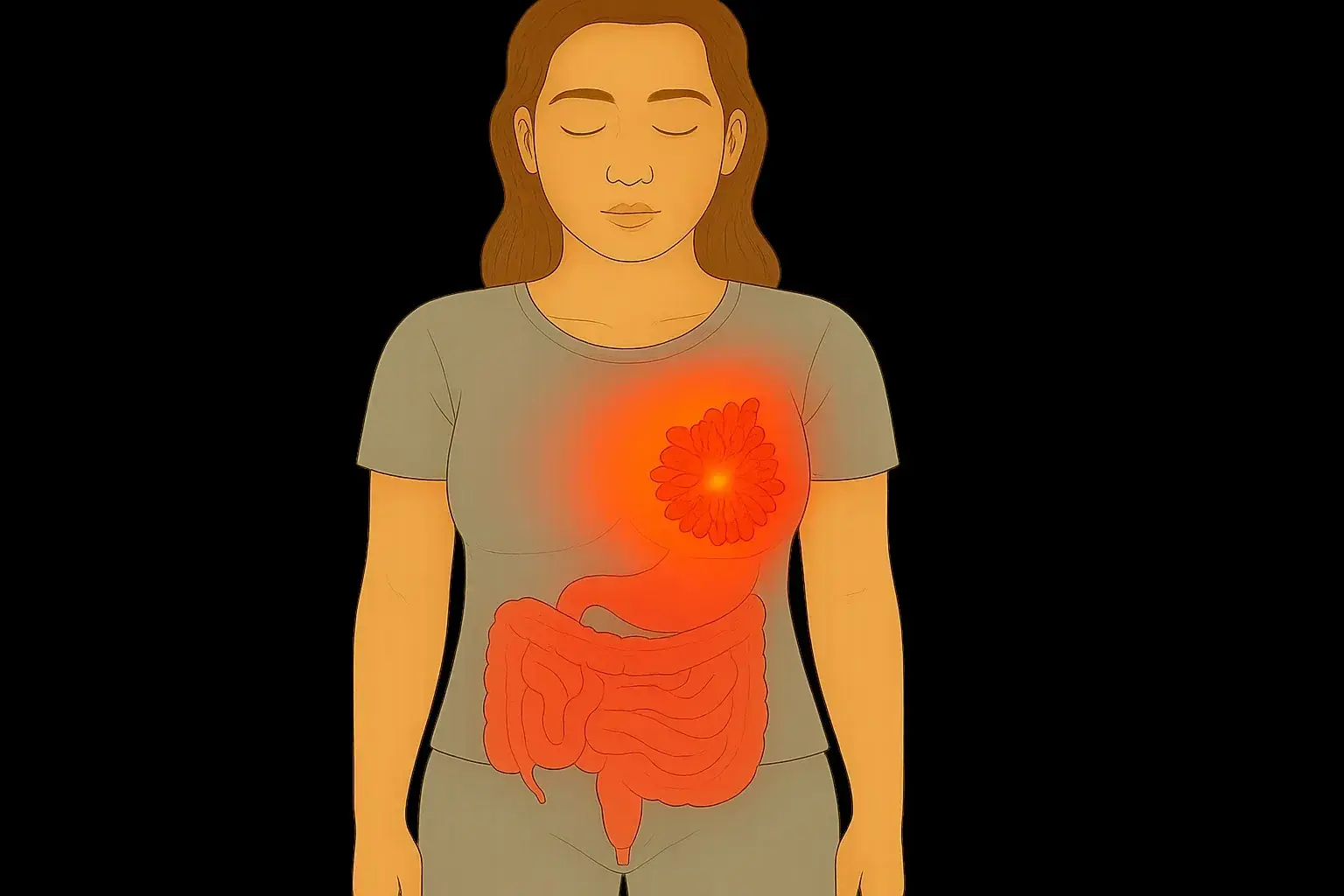
Without regular exercise, maintaining a healthy weight becomes difficult for both partners. Over time, this creates a household culture where unhealthy habits are normalized, making it almost impossible for the wife to sustain a protective, active lifestyle.
Advice: Couples should commit to exercising together, whether through daily walks, fitness classes, or weekend sports. Beyond reducing health risks, shared physical activity can strengthen emotional bonds, improve mood, and create a sense of teamwork in protecting each other’s well-being.
Habit 2: Smoking — The Invisible Threat to a Wife’s Health
Cigarette smoke remains one of the most dangerous and underestimated household hazards. Even when smoking on balconies, in bathrooms, or away from common areas, the harmful particles cling to hair, skin, clothing, and surfaces — creating what experts call “third-hand smoke.” This invisible residue lingers in the home and continues to affect loved ones, especially a wife who shares close daily contact.
Passive exposure to tobacco smoke has been proven to raise the risk of breast health complications, particularly for women in their pre-menopausal years. According to research from the World Health Organization, women living with smokers may face up to a 20–30% higher risk compared to those in smoke-free homes.
The danger doesn’t stop at breast health. Secondhand smoke is also linked to long-term damage to the lungs, heart, and reproductive system. Even if a husband avoids smoking directly in front of his wife, the toxic particles he carries into the shared environment can leave a lasting impact.
Advice: The most effective solution is complete cessation of smoking. Short-term alternatives, like smoking only outdoors, changing clothes, or showering before close contact, can reduce exposure but do not eliminate the risk entirely. Quitting altogether is the only way to ensure a safe, supportive environment for both partners.
Building a Healthier Future Together
The influence of a husband’s habits on his wife’s well-being is far greater than many couples realize. Small daily choices — whether neglecting exercise or lighting a cigarette — can quietly accumulate into significant health risks over time. On the other hand, conscious, shared lifestyle changes can lower those risks dramatically while strengthening trust and companionship in marriage.
Protecting breast health is not just a woman’s responsibility. It is a shared journey where both partners play vital roles. By making small but meaningful adjustments today, couples can look forward to a future that is not only healthier but also more harmonious and fulfilling.
Breast Health: 15 Important Things Every Couple Should Know to Protect a Woman's Long-Term Health
Breast health is an important part of women's overall well-being, yet many women do not pay enough attention to it until they notice unusual changes or experience discomfort. While genetics, age, and hormonal factors play significant roles in determining breast cancer risk, everyday lifestyle choices can also influence long-term health.
What makes this issue particularly interesting is that health habits are rarely formed in isolation. Couples share meals, living environments, sleeping routines, recreational activities, and sometimes unhealthy behaviors. Over time, these shared habits can influence both partners' physical health.
A husband who smokes, avoids physical activity, regularly consumes excessive alcohol, or encourages unhealthy eating patterns may unintentionally contribute to an environment that makes it harder for his wife to maintain good health.
However, it is equally important to understand that breast cancer is a complex disease. A woman's diagnosis should never be blamed on her husband's lifestyle or her own personal choices. Many cases occur without identifiable lifestyle risk factors, and even women who follow healthy routines can develop breast cancer.
The goal is not to create fear but to encourage couples to understand the factors they can influence and take practical steps toward protecting their health together.
1. Understanding Why Breast Health Deserves More Attention
Breast cancer is one of the most frequently diagnosed cancers among women worldwide. It develops when abnormal cells in breast tissue begin growing uncontrollably and may eventually invade surrounding tissues or spread to other parts of the body.
The disease can develop in different parts of the breast, including the milk ducts and milk-producing glands.