The wonderful health benefits of turmeric for human health
Health 22/07/2026 10:53
Kidney stones are a common urinary tract condition that affects millions of people worldwide. These hard deposits form when certain minerals and salts in the urine become highly concentrated and crystallize. Depending on their size and location, kidney stones may pass without causing symptoms or lead to severe pain, nausea, blood in the urine, or urinary blockage.
If you've searched online for ways to prevent or treat kidney stones, you've probably come across claims that a specific drink can "dissolve" kidney stones overnight or eliminate them within hours. While these headlines are appealing, current scientific evidence does not support the idea that any single beverage can quickly dissolve or remove all kidney stones.
What research does show is that staying well hydrated is one of the most effective ways to reduce the risk of developing kidney stones and to help small stones pass more easily in some cases. Certain beverages may also provide additional benefits depending on the type of stone involved.
Let's explore what science says about hydration, kidney stones, and the drinks that may support kidney health.
Kidney stones are solid masses that develop when minerals in the urine become concentrated enough to form crystals.
The most common types include:
Calcium oxalate stones
Calcium phosphate stones
Uric acid stones
Struvite stones
Cystine stones
Each type has different causes and may require different prevention strategies.
This is one reason why there is no universal "kidney stone drink" that works for everyone.
Water helps dilute urine.
When urine becomes too concentrated, minerals such as calcium, oxalate, and uric acid are more likely to crystallize.
Drinking enough fluids can help:
Increase urine volume
Dilute stone-forming substances
Reduce crystal formation
Support normal kidney function
For people who have had kidney stones before, healthcare providers often recommend producing at least 2 to 2.5 liters of urine each day, which usually requires drinking more than that amount of fluid depending on climate and activity level.
Plain water remains the most important beverage for kidney stone prevention.
Research consistently shows that higher fluid intake is associated with a lower risk of recurrent kidney stones.
Water is:
Calorie-free
Sugar-free
Widely available
Suitable for nearly everyone
Rather than drinking large amounts all at once, aim to stay hydrated throughout the day.
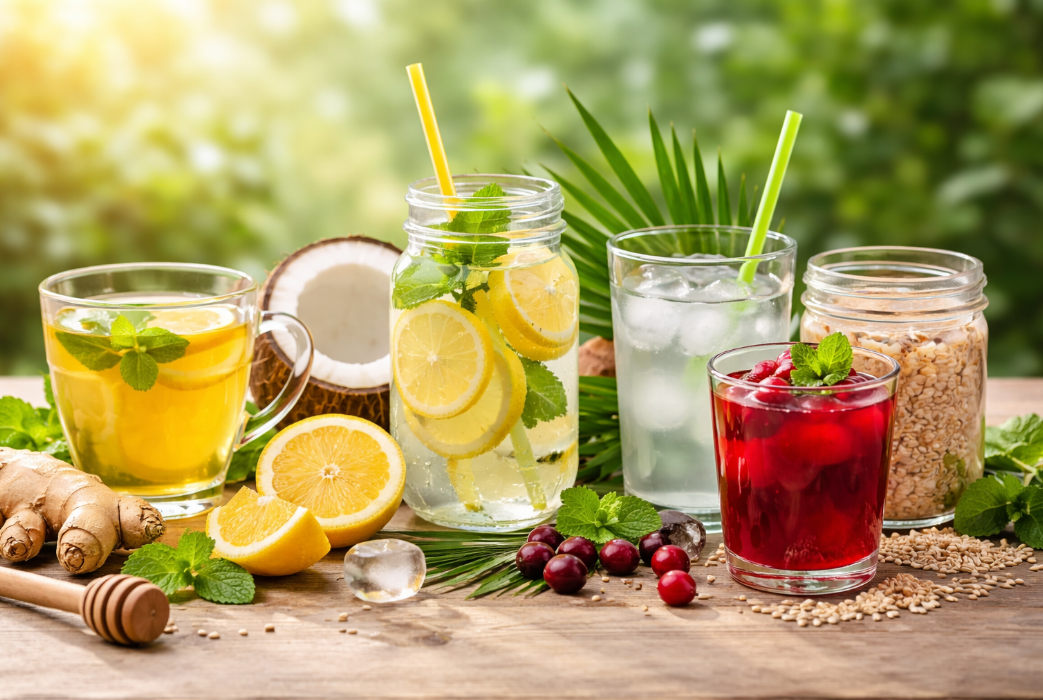
Lemons naturally contain citrate, a compound that may help reduce the formation of certain calcium-containing kidney stones.
Citrate may:
Bind with calcium in the urine
Reduce crystal formation
Slow stone growth
For this reason, some healthcare providers recommend increasing dietary citrate as part of a kidney stone prevention plan.
However, lemon water does not dissolve existing kidney stones, and its effects vary among individuals.
Orange juice also contains natural citrate.
Some research suggests it may increase urinary citrate levels, which could help reduce the risk of certain kidney stones.
However, orange juice also contains natural sugars and calories.
People with diabetes or those monitoring sugar intake should consume it in moderation and discuss appropriate choices with their healthcare provider.
Moderate consumption of coffee and tea has been associated in some observational studies with a lower risk of kidney stones.
Researchers believe this may partly result from increased fluid intake.
However:
Excessive caffeine may not be appropriate for everyone.
Certain teas contain oxalates, which may be relevant for people prone to calcium oxalate stones.
Moderation remains important.
Some people mistakenly avoid calcium after developing kidney stones.
In reality, adequate dietary calcium is often recommended because it binds oxalate in the digestive tract, reducing its absorption.
Low-fat milk and other dairy products can therefore be part of a healthy diet for many individuals with calcium oxalate stones.
Calcium supplements, however, should only be taken according to medical advice.
Not every beverage supports kidney health equally.
Some drinks may contribute to a higher risk of stone formation when consumed in excess.
These include:
Sugar-sweetened soft drinks
Drinks high in added sugars
Excessive amounts of certain energy drinks
Large quantities of beverages high in sodium
Choosing water more often than sugary beverages benefits overall health as well as kidney health.
Apple cider vinegar is often promoted online as a natural kidney stone remedy.
At present, there is no strong scientific evidence that apple cider vinegar dissolves kidney stones or speeds their passage.
Drinking excessive amounts may also irritate the digestive tract or damage tooth enamel.
Cranberry juice is well known for its role in urinary tract health.
However, its relationship with kidney stones is more complex.
While cranberry products may be appropriate in some situations, they are not routinely recommended for preventing all types of kidney stones, and some cranberry products contain relatively high amounts of oxalates.
Discuss individual recommendations with your healthcare provider if you have recurrent stones.
If a kidney stone is very small, staying hydrated may help it move through the urinary tract more easily.
However, drinking excessive amounts of water will not force large stones to pass.
Large stones often require medical treatment such as:
Prescription medications
Shock wave lithotripsy
Ureteroscopy
Other specialized procedures
Hydration is only one part of kidney stone prevention.
Other healthy habits include:
Eating enough dietary calcium
Limiting excess sodium
Reducing excessive animal protein when appropriate
Eating plenty of fruits and vegetables
Maintaining a healthy weight
Following individualized dietary advice based on stone type
Your healthcare provider may recommend additional dietary changes after analyzing the composition of your kidney stone.
Fact: There is no scientific evidence that any beverage rapidly dissolves all kidney stones.
Fact: Staying hydrated is important, but large stones often require medical treatment.
Fact: Adequate dietary calcium is often beneficial, especially for people with calcium oxalate stones.
Fact: Lemon juice provides citrate, which may help reduce the formation of certain stones, but it does not eliminate existing stones.
Kidney stones sometimes require urgent medical attention.
Seek immediate medical care if you experience:
Severe pain that does not improve
Fever or chills
Persistent vomiting
Difficulty passing urine
Blood in the urine accompanied by severe pain
Symptoms affecting only one kidney or if you have a single functioning kidney
These symptoms may indicate a blockage or infection requiring prompt treatment.
Simple daily habits can help reduce your risk of kidney stones:
Drink water consistently throughout the day.
Increase fluid intake during hot weather or exercise.
Eat a balanced diet rich in fruits and vegetables.
Limit excess sodium and sugary beverages.
Stay physically active.
Follow your healthcare provider's recommendations if you've had kidney stones before.
Consistency is far more effective than relying on a single "miracle" drink.
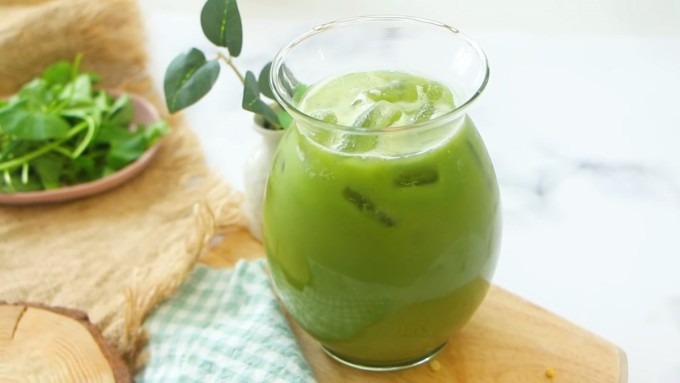
Hydration plays a central role in maintaining kidney health and reducing the risk of kidney stone formation. Among all beverages, plain water remains the best-supported choice, helping dilute urine and reduce the concentration of stone-forming minerals. Drinks such as lemon water and orange juice may offer additional benefits for some people by increasing urinary citrate, but they do not dissolve existing kidney stones.
The most effective approach to preventing kidney stones combines adequate hydration with a balanced diet, healthy lifestyle habits, and individualized medical guidance based on the type of stone involved. If you develop symptoms of a kidney stone or have recurrent episodes, consult a healthcare professional to determine the most appropriate evaluation and treatment plan. No single drink can replace evidence-based medical care, but making smart beverage choices every day can play an important role in supporting long-term kidney health.
Advanced Stomach Can.cer: 7 Symptoms That May Occur
Even though it’s natural, coconut water isn’t safe for everyone.
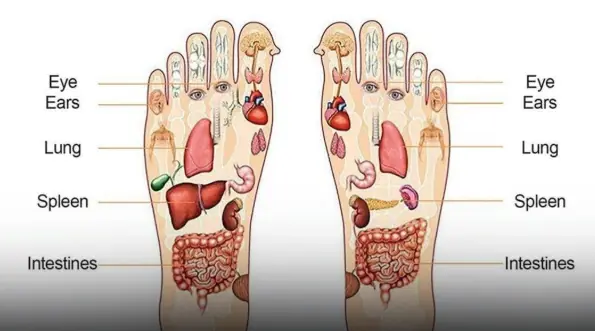

Woman Suffers Sudden Kidney Failure After Dinner: Doctor Warns, "This Vegetable Can Be Tox.ic - Stop Eating It!"
Nighttime Bathroom Trips? What Waking Up to Urinate Could Be Telling You
The gastric balloon is a non-surgical weight loss procedure that involves inserting a deflated balloon into the stomach through the mouth, where it is then inflated with saline solution.
These common substances may help keep snakes away if they enter your house
Possible Symptoms of Kidney Disease: What Experts Want You to Know

What Causes Veins to Suddenly Bulge? Most People Don't Know… 👀👇

Want to Feel Better Every Morning? Start With This Simple Habit 💧👇
Don't Wait Until It's Serious—Learn the Warning Signs of an Aneurysm 👇
Dry Skin Care: 12 Practical Tips for Healthier-Looking Skin

Waking Up Every Night to Urinate? Your Body May Be Sending an Important Signal… See More 👇👇
Mint and Lemon Water: Potential Benefits and What We Know

Before You Put Food in the Fridge Again, Read This List of 8 Common Mistakes… See More 👇👇

Healthy Arteries: Lifestyle Habits That May Help Protect Your Heart

Hidden Inside This Common Fish Could Be Something You Never Expected… 😨🐟 See More 👇👇
Advanced Stomach Can.cer: 7 Symptoms That May Occur
Even though it’s natural, coconut water isn’t safe for everyone.
Woman Suffers Sudden Kidney Failure After Dinner: Doctor Warns, "This Vegetable Can Be Tox.ic - Stop Eating It!"
Nighttime Bathroom Trips? What Waking Up to Urinate Could Be Telling You
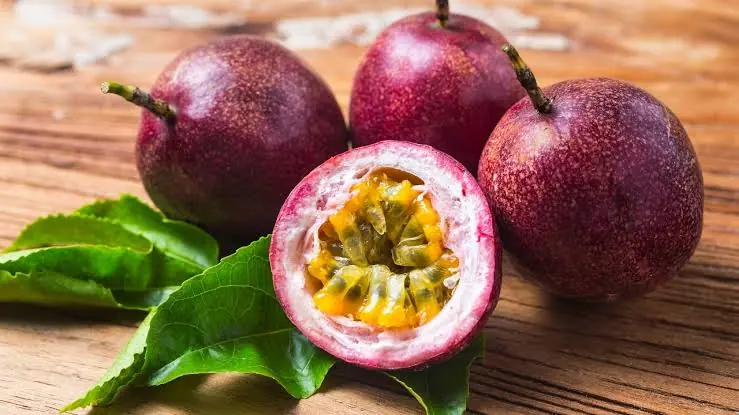

Millions Have Seen This Tattoo—Few Know Its Hidden History
The gastric balloon is a non-surgical weight loss procedure that involves inserting a deflated balloon into the stomach through the mouth, where it is then inflated with saline solution.
These common substances may help keep snakes away if they enter your house
Possible Symptoms of Kidney Disease: What Experts Want You to Know
What Causes Veins to Suddenly Bulge? Most People Don't Know… 👀👇
Want to Feel Better Every Morning? Start With This Simple Habit 💧👇
Don't Wait Until It's Serious—Learn the Warning Signs of an Aneurysm 👇
Dry Skin Care: 12 Practical Tips for Healthier-Looking Skin
Waking Up Every Night to Urinate? Your Body May Be Sending an Important Signal… See More 👇👇
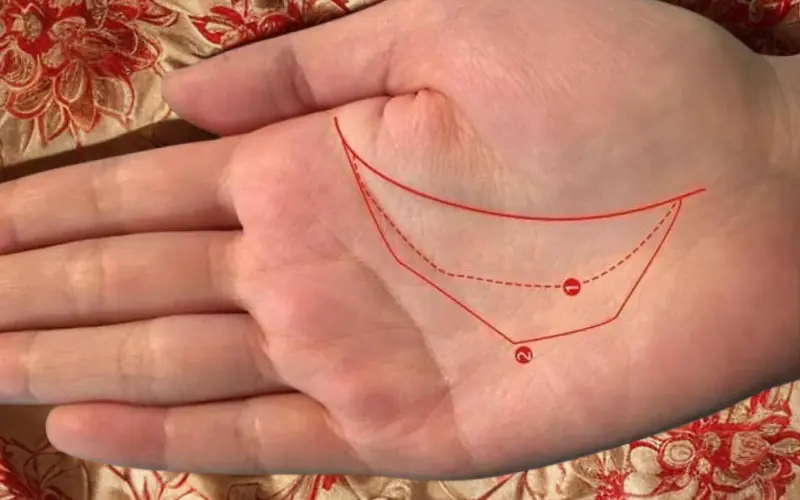
A Guide to the Main Palm Lines and Their Traditional Meanings