9 Foods to Limit If You Have Hypothyroidism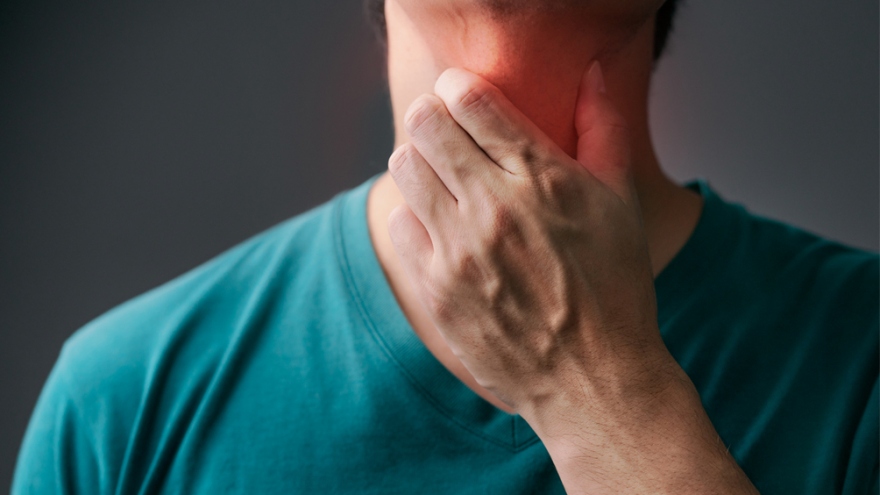
Hypothyroidism is a condition where the thyroid gland doesn’t produce enough hormones, slowing down metabolism and affecting energy, weight, and overall health. While medication is essential for managing it, diet also plays an important supporting role. Certain foods don’t need to be completely avoided, but limiting them may help improve thyroid function and reduce symptom flare-ups.
Here are 9 foods people with hypothyroidism are often advised to consume in moderation.
🥦 1. Cruciferous Vegetables (Raw)
Vegetables like broccoli, cauliflower, cabbage, and kale contain goitrogens, which may interfere with thyroid hormone production when eaten in large amounts—especially raw. Cooking them reduces this effect significantly.
🌱 2. Soy Products
Soybeans, tofu, and soy milk can interfere with thyroid hormone absorption in some cases, especially if consumed close to thyroid medication.
🍞 3. Gluten-Containing Foods
For some individuals, especially those with autoimmune thyroid conditions like Hashimoto’s, gluten (found in wheat, barley, and rye) may worsen inflammation.
🍟 4. Processed Foods
Highly processed foods often contain unhealthy fats, excess sodium, and additives that can negatively affect overall hormonal balance and weight management.
🧂 5. Excess Salt (Especially Iodized Salt Overuse)
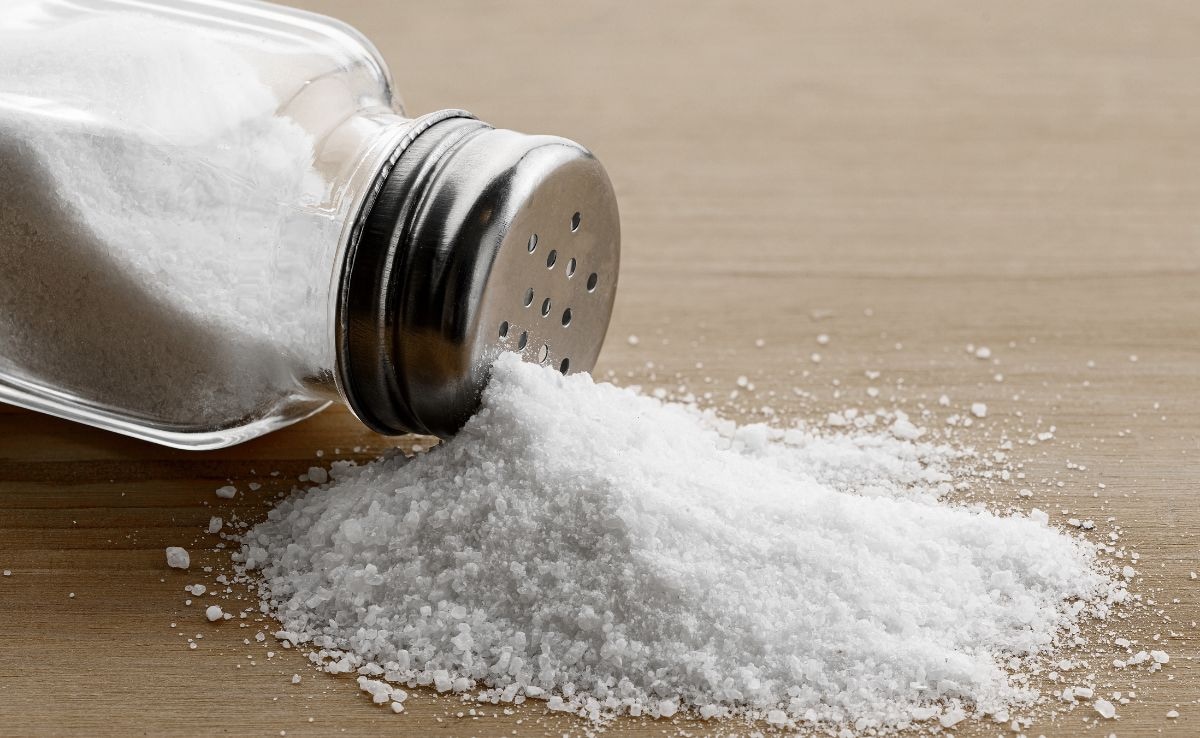
While iodine is important for thyroid function, too much can sometimes worsen thyroid imbalance. Balance is key.
🍬 6. Sugary Foods and Drinks
Hypothyroidism can slow metabolism, making weight gain easier. Excess sugar intake may further contribute to fatigue, weight issues, and inflammation.
☕ 7. Excess Caffeine
High caffeine intake can interfere with sleep and may affect the absorption of thyroid medication if taken too close together.
🥛 8. High-Fat Dairy Products (in excess)
Some people with hypothyroidism find that large amounts of full-fat dairy can contribute to sluggish digestion and weight gain.
🥜 9. Certain Nuts (in large amounts)
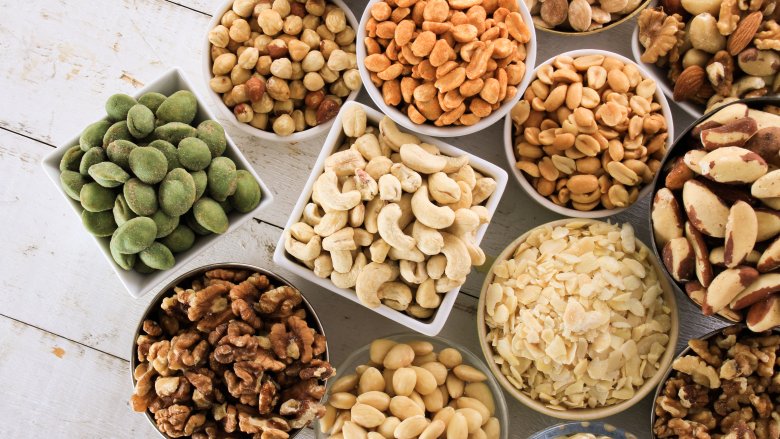
Nuts like peanuts and walnuts contain compounds that may mildly affect thyroid hormone function if overconsumed, especially when diet is already iodine-deficient.
📝 Final Thoughts
Managing hypothyroidism is not about strict food elimination but about balance. Most foods can still be part of a healthy diet when eaten in moderation and properly prepared. Cooking vegetables, spacing out medication from meals, and focusing on whole, nutrient-rich foods can make a big difference.