Hypothyroidism Care Goes Beyond Medication — Your Diet Makes a Difference 😲
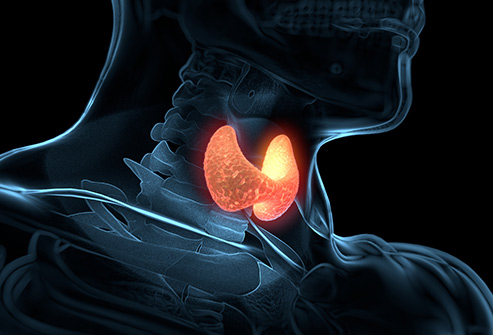
Hypothyroidism is a condition in which the thyroid gland does not produce enough hormones to support the body’s normal functions. Because thyroid hormones help regulate metabolism, energy, temperature, digestion, and even mood, low hormone levels can affect many parts of daily life.
Common symptoms may include:
- Fatigue
- Weight gain
- Dry skin
- Hair thinning
- Brain fog
- Constipation
- Feeling cold frequently
- Depression or low mood
For most people, medication prescribed by a doctor remains the primary treatment. However, health experts say that lifestyle and dietary habits can also play an important role in supporting overall thyroid health and helping manage symptoms.
Why Diet Matters in Hypothyroidism
Although there is no special “cure” diet for hypothyroidism, nutrition may influence how well your body functions and how effectively thyroid medication works. Certain nutrients help support thyroid hormone production, while some foods and supplements may interfere with medication absorption.
A balanced eating plan may help:
- Support energy levels
- Reduce inflammation
- Improve digestion
- Help maintain a healthy weight
- Support immune health
- Reduce nutrient deficiencies linked to thyroid problems
Researchers also note that many people with hypothyroidism may benefit from anti-inflammatory eating patterns such as the Mediterranean diet.
Nutrients That Support Thyroid Health
1. Iodine
Iodine is essential for making thyroid hormones. Without enough iodine, the thyroid cannot function properly.
Good sources include:
- Seafood
- Dairy products
- Eggs
- Iodized salt
However, experts warn that too much iodine can also be harmful, especially for people with autoimmune thyroid disorders such as Hashimoto’s thyroiditis.
2. Selenium
Selenium is another important mineral linked to thyroid function. Some studies suggest it may help protect thyroid cells from damage.
Foods rich in selenium include:
- Brazil nuts
- Tuna
- Sardines
- Eggs
- Turkey
According to thyroid specialists, selenium-rich foods may support overall thyroid health when eaten in moderation.
3. Zinc and Iron
Low levels of zinc and iron may negatively affect thyroid hormone production.
Foods that provide these nutrients include:
- Lean meats
- Shellfish
- Pumpkin seeds
- Beans
- Lentils
- Spinach
Iron deficiency is particularly common in women and may worsen fatigue associated with hypothyroidism.
Foods Some Experts Recommend Limiting
Ultra-Processed Foods
Highly processed foods often contain excess sugar, unhealthy fats, preservatives, and sodium. Research suggests these foods may increase inflammation and oxidative stress in the body.
Examples include:
- Sugary drinks
- Chips
- Fast food
- Packaged desserts
- Processed meats
Reducing ultra-processed foods may support better overall health and energy levels.
Soy Products Around Medication Time
Soy foods are not necessarily dangerous for people with hypothyroidism, but some experts recommend avoiding them close to the time you take thyroid medication because soy may affect absorption.
Excessive Fiber, Calcium, and Iron Supplements
Fiber is healthy, but consuming very high amounts at the same time as thyroid medication may reduce absorption.
Calcium and iron supplements may also interfere with medication if taken too closely together. Doctors often recommend spacing them several hours apart from thyroid medicine.
What About Cruciferous Vegetables?
Vegetables such as broccoli, cabbage, kale, and Brussels sprouts are sometimes labeled as “bad” for thyroid health because they contain compounds called goitrogens.
However, experts say moderate amounts are generally safe for most people, especially when cooked. These vegetables are still highly nutritious and provide important antioxidants and fiber.
Healthy Eating Habits for Hypothyroidism
Many nutrition experts encourage focusing on whole, nutrient-rich foods instead of restrictive fad diets.
Helpful choices may include:
- Fruits and vegetables
- Whole grains
- Lean proteins
- Healthy fats like olive oil and avocado
- Fish rich in omega-3 fatty acids
- Beans and legumes
- Nuts and seeds
Drinking enough water, exercising regularly, sleeping well, and managing stress may also support overall health and energy levels.
Medication Still Matters
While diet can help support wellness, medical professionals emphasize that food alone usually cannot replace thyroid hormone therapy in true hypothyroidism.
Many people online claim that supplements or “natural cures” can completely reverse hypothyroidism, but experts warn against stopping prescribed medication without medical supervision.
A discussion among people living with hypothyroidism on Reddit highlighted a common concern: while healthier eating may improve how some people feel, it does not necessarily “cure” thyroid dysfunction.
Final Thoughts
Hypothyroidism care goes beyond simply taking medication. Daily food choices, nutrient intake, sleep, stress management, and healthy habits may all contribute to how you feel.
A balanced diet cannot magically cure hypothyroidism, but it may help support thyroid function, improve energy, and reduce some symptoms when combined with proper medical treatment.
If you suspect thyroid problems or are considering major dietary changes or supplements, it’s always best to speak with a qualified healthcare professional or endocrinologist first.