
😲 What Really Happens When You Urinate in the Shower? The Answer Might Surprise You
🚿 Peeing in the Shower: A Harmless Habit or Something More?
Health 16/06/2026 09:30
A 30-year-old man from Hangzhou, Zhejiang Province, China, was left stunned after learning that a thyroid nodule doctors had monitored for years was actually cancerous.
According to local reports, the man—identified under a pseudonym to protect his privacy—said the diagnosis left him speechless. He reportedly sat in silence for nearly ten minutes after hearing the news.
His first reaction to the doctor was a statement filled with disbelief:
"If I had skipped my checkups, I think it would have been easier to accept."
The case highlights the importance of regular medical follow-up and how even nodules considered low-risk can sometimes undergo changes that require closer evaluation.


 5
5
Caption: Thyroid nodules are common, and many are benign, but ongoing monitoring is often recommended to detect changes over time.
The story began approximately five years ago during a routine health examination.
Doctors detected a small nodule in the left side of the man's thyroid gland during an ultrasound scan. Specialists classified the nodule as TI-RADS 3, a category generally associated with a relatively low risk of malignancy.
At the time, doctors advised regular follow-up examinations rather than immediate intervention.
The patient followed that advice carefully.
Despite a demanding job and frequent business travel, he consistently attended scheduled checkups. Year after year, the nodule appeared stable, and ultrasound findings remained largely reassuring.
As a result, he gradually became more confident that the growth was harmless.
Earlier this year, the man returned to a major hospital affiliated with Zhejiang University School of Medicine for another examination.
Initial ultrasound results once again appeared relatively unchanged.
The thyroid nodule measured approximately 1.7 centimeters and continued to be categorized as TI-RADS 3.
However, one experienced thyroid specialist noticed subtle differences when comparing the latest images with scans from previous years.
The nodule had slowly increased in size.
In addition, the doctor observed minor changes in the lesion's appearance—changes that might easily be overlooked when reviewing a single scan in isolation.


 6
6
Caption: Comparing current scans with previous imaging studies can reveal subtle changes that may not be obvious during a single examination.
Because of the changes, the specialist recommended a fine-needle aspiration biopsy to obtain tissue samples from the nodule.
The patient agreed, although he expected the results would simply confirm that the nodule remained benign.
Instead, pathology testing revealed papillary thyroid carcinoma, the most common type of thyroid cancer.
The diagnosis came as a shock.
After years of being told the nodule appeared low-risk and stable, the patient never expected the final result to be cancer.
Medical experts note that most thyroid nodules are not cancerous.
However, doctors often recommend ongoing surveillance because changes can occur gradually over time.
Factors that may prompt further investigation include:
Even small changes can sometimes provide important clues.
Papillary thyroid carcinoma is the most common form of thyroid cancer and generally has a favorable prognosis when detected early.
Possible warning signs may include:
However, many patients experience no symptoms at all, which is why imaging and follow-up examinations are often important.


 5
5
Caption: Early detection and appropriate follow-up care can significantly improve outcomes for many thyroid cancer patients.
Doctors involved in the case emphasized that the patient's regular checkups were not a failure of the healthcare system. On the contrary, continued monitoring allowed subtle changes to be identified and investigated before the disease progressed further.
Experts say the case serves as a reminder that:
For years, the 30-year-old believed his thyroid nodule was harmless. Reassuring scans and regular monitoring provided peace of mind, but careful comparison of imaging studies eventually revealed subtle warning signs.
The diagnosis of papillary thyroid cancer was unexpected, yet the discovery also demonstrates the value of routine medical surveillance and expert review.
Health professionals stress that while most thyroid nodules are benign, ongoing monitoring can play a critical role in identifying the rare cases that require further investigation and treatment.
🚿 Peeing in the Shower: A Harmless Habit or Something More?

⚠️ Seeing These 6 Signs While Using the Bathroom? Here's Why You Shouldn't Ignore Them

😱 Most People Eat Peanuts Without Knowing These Potential Effects

Leg Cramps After Dark? Experts Reveal Why They Happen So Often

Cucumbers are among the most popular vegetables used in salads around the world. Refreshing, low in calories, and packed with water, they are often associated with healthy eating and weight management.

5 Changes in Your Calves That Deserve Immediate Attention
Are You Getting Enough Magnesium? Here Are the Warning Signs

😳 The Surprising Benefits of Eating Banana and Avocado Together Every Morning 👇

😱 Millions Eat Cashews Every Day—But Few Know What Happens Next

😲 Doctors Say This Simple Nut Could Offer Impressive Health Benefits

Rice Is Nutritious, But Too Much Could Lead to Unwanted Health Effects 👇

Could Two Boiled Eggs Every Morning Improve Your Health?

Nightly dry mouth may signal habits, health issues, or poor sleep.

A green ring on egg yolks is harmless and reveals a cooking secret.
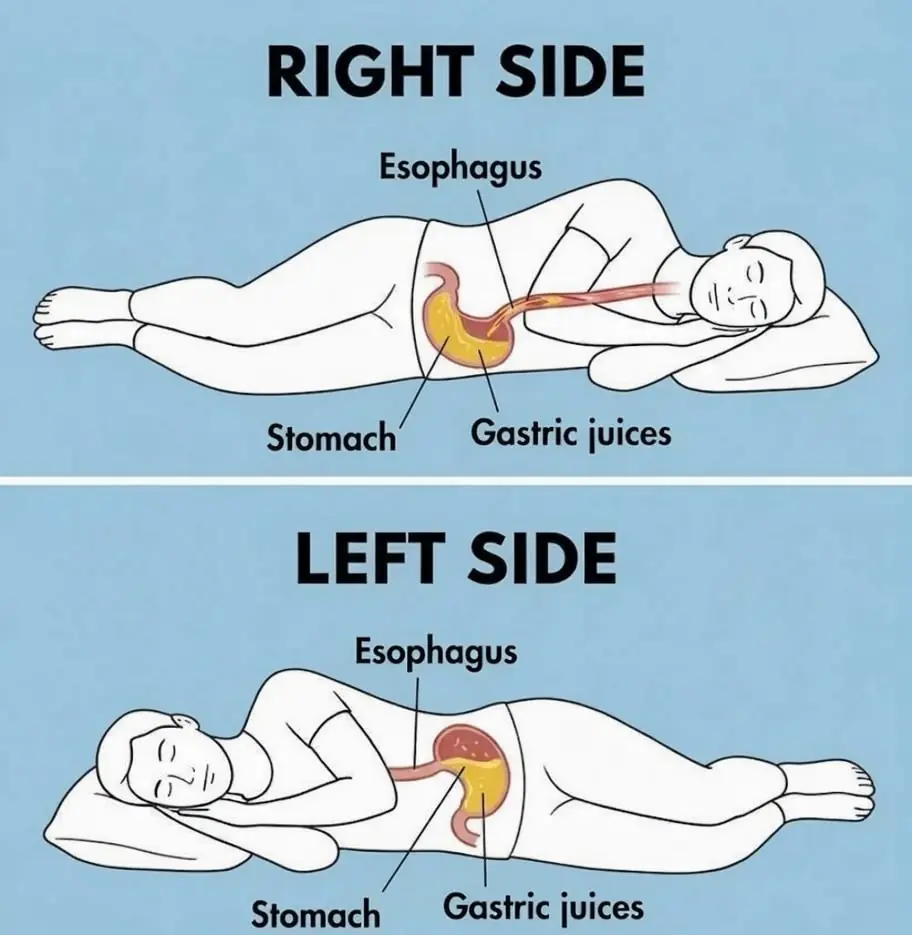
Experts Say Sleeping on Your Right Side May Have Both Benefits and Risks
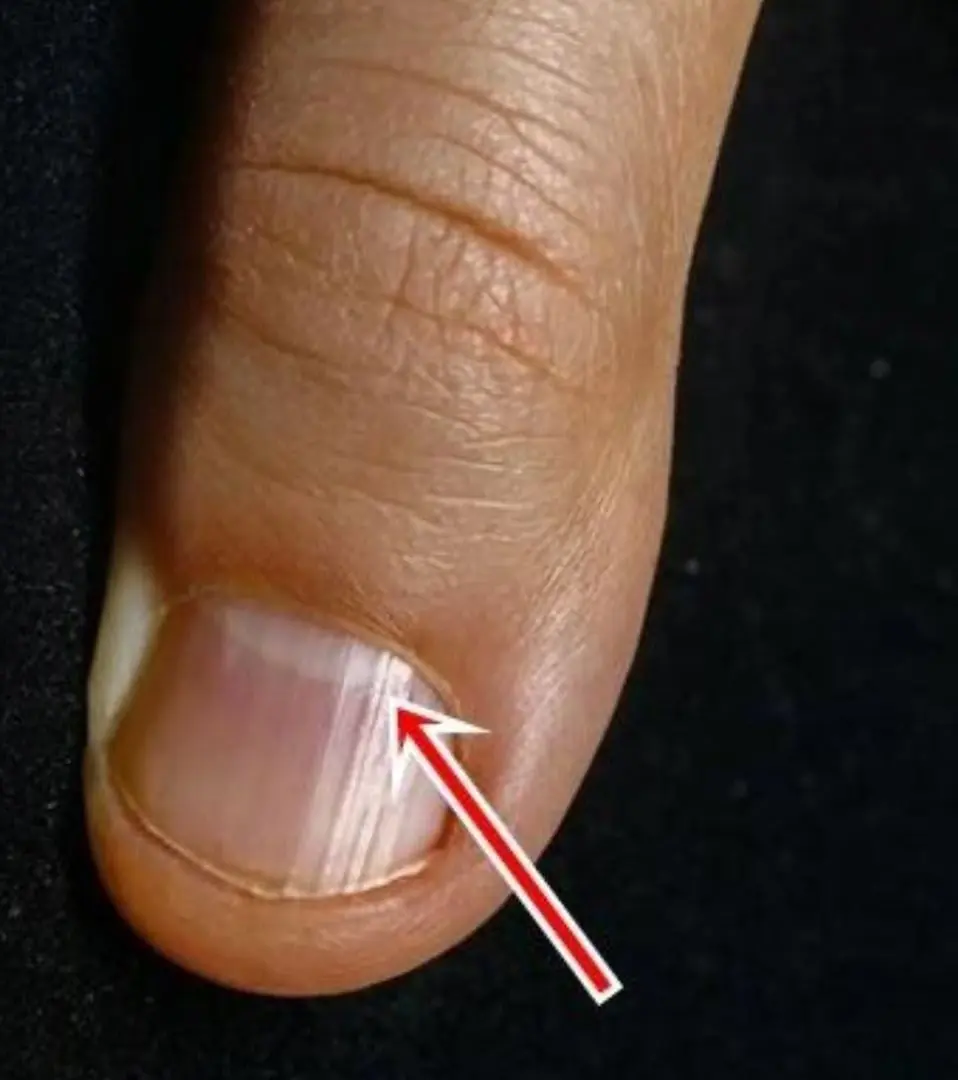
Your Nails Could Be Sending Warning Signs — Especially After 40

Many are still eating this every single day, unaware of what it’s doing to their health

You’ll be surprised what happens if you pee in the shower.

Throw this away before it harms your health
🚿 Peeing in the Shower: A Harmless Habit or Something More?
⚠️ Seeing These 6 Signs While Using the Bathroom? Here's Why You Shouldn't Ignore Them
😱 Most People Eat Peanuts Without Knowing These Potential Effects
Leg Cramps After Dark? Experts Reveal Why They Happen So Often
Cucumbers are among the most popular vegetables used in salads around the world. Refreshing, low in calories, and packed with water, they are often associated with healthy eating and weight management.
5 Changes in Your Calves That Deserve Immediate Attention
Are You Getting Enough Magnesium? Here Are the Warning Signs
😳 The Surprising Benefits of Eating Banana and Avocado Together Every Morning 👇
😱 Millions Eat Cashews Every Day—But Few Know What Happens Next
😲 Doctors Say This Simple Nut Could Offer Impressive Health Benefits
Rice Is Nutritious, But Too Much Could Lead to Unwanted Health Effects 👇
Could Two Boiled Eggs Every Morning Improve Your Health?
Nightly dry mouth may signal habits, health issues, or poor sleep.
A green ring on egg yolks is harmless and reveals a cooking secret.
Experts Say Sleeping on Your Right Side May Have Both Benefits and Risks
Your Nails Could Be Sending Warning Signs — Especially After 40
Many are still eating this every single day, unaware of what it’s doing to their health
You’ll be surprised what happens if you pee in the shower.
Throw this away before it harms your health