At first, the spots may look like nothing more than a minor skin irritation.
But when numerous small red bumps suddenly appear across the arms and legs after spending several nights in an unfamiliar or older apartment, it's natural to wonder what caused them.
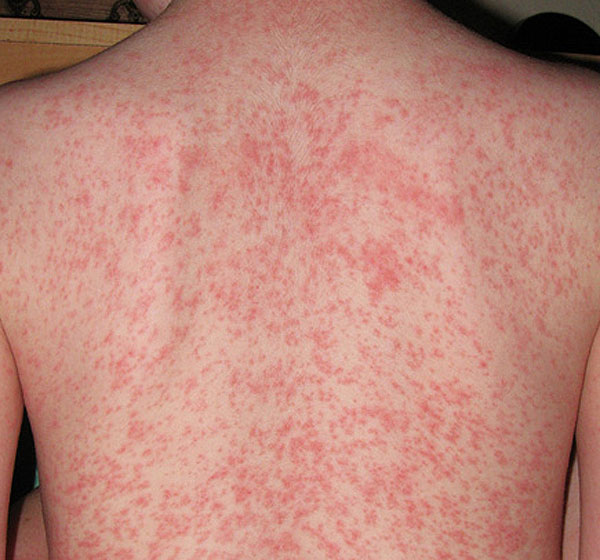
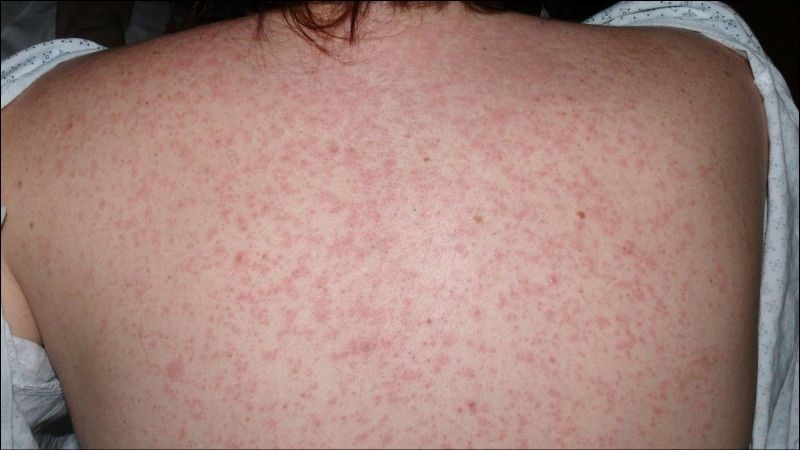
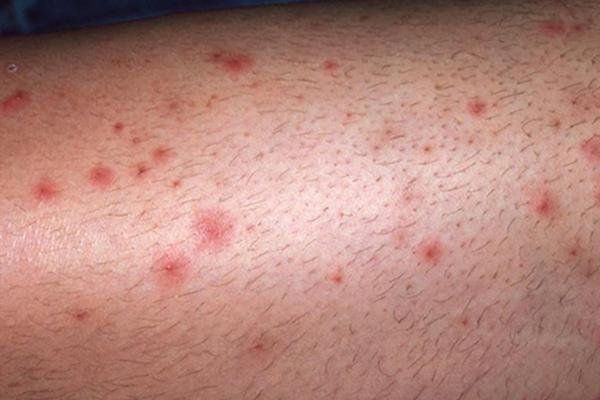
The image shows multiple small reddish bumps scattered across the skin, particularly on the legs and forearm. Because they appeared after staying somewhere else, one possibility is exposure to biting insects, although the appearance of a rash alone cannot establish the cause.
Several conditions can produce similar-looking bumps, including bedbug or flea bites, scabies, contact dermatitis, folliculitis, and other skin reactions.
So before assuming the worst, it's worth understanding what might be happening and what clues can help distinguish one possibility from another.
The Timing Is an Important Clue
One of the most useful details in this situation is not necessarily the appearance of each individual bump.
It's when they appeared.
If the skin was relatively clear before staying at the apartment and the bumps appeared during or shortly after several nights there, an environmental exposure becomes worth considering.
An unfamiliar sleeping environment can expose someone to:
-
Bedbugs
-
Fleas
-
Mosquitoes
-
Mites
-
New detergents or cleaning products
-
Different fabrics or bedding materials
-
Dust and other irritants
That doesn't prove that insects caused the reaction, but the timing provides an important clue.
Could These Be Bedbug Bites?
Bedbugs are one of the first things people think about when unexplained bumps appear after sleeping somewhere unfamiliar.
These small insects feed on blood and commonly hide in places close to where people sleep.
They may be found around:
-
Mattress seams
-
Box springs
-
Bed frames
-
Headboards
-
Furniture cracks
-
Baseboards
-
Upholstered furniture
-
Luggage and clothing
Bedbug bites can appear as small, itchy red bumps, sometimes occurring in clusters or groups.
However, there is an important catch:
Not everyone reacts to bedbug bites in the same way.
Some people develop obvious itchy bumps, while others have little or no visible reaction.
The appearance of the skin therefore cannot confirm a bedbug infestation by itself.
Look Beyond the Skin
If bedbugs are suspected, inspecting the environment may provide more useful information than studying the bumps alone.
Look carefully around the sleeping area for:
-
Tiny dark spots on bedding
-
Small blood stains
-
Shed insect skins
-
Small insects around mattress seams
-
Eggs or eggshells
-
Unusual marks around the bed frame
Finding evidence of insects would make an environmental explanation more plausible.
However, the absence of visible insects doesn't completely rule them out.
Bedbugs are small and can hide extremely well.
What About Flea Bites?
Fleas are another possibility, particularly if the apartment has pets or had pets previously.
Flea bites often occur around the lower legs and ankles, although other exposed areas can also be affected.
They can produce small, itchy red bumps.
If the apartment has cats, dogs, carpets, upholstered furniture, or a history of animals, flea exposure becomes another possibility worth considering.
Again, though, the image alone cannot distinguish flea bites from other causes.
Could It Be Scabies?
Scabies is caused by microscopic mites that burrow into the skin.
Unlike a short-term exposure to mosquitoes or bedbugs, scabies can persist and spread through prolonged skin-to-skin contact or shared bedding and clothing.
Symptoms commonly include intense itching, often worse at night, along with small bumps or a rash.
Certain areas are more commonly affected, including:
-
Between the fingers
-
Wrists
-
Waist
-
Armpits
-
Groin
-
Buttocks
In some cases, the rash can appear more extensively.
If severe nighttime itching continues after leaving the apartment—or if other people who had close contact develop similar symptoms—medical evaluation becomes particularly important.
Another Possibility: Contact Dermatitis
Not every mysterious rash comes from an insect.
Sometimes the skin is reacting to something it encountered in the environment.
An old apartment may contain different detergents, soaps, cleaning products, bedding materials, fabrics, fragrances, or other substances that your skin isn't accustomed to.
This can trigger contact dermatitis, which may cause redness, itching, bumps, dryness, or irritation.
For example, if the apartment uses a heavily scented laundry detergent and you sleep directly on freshly washed sheets, your skin could potentially react to the detergent or fragrance.
The same applies to cleaning chemicals or certain fabrics.
Could It Be Folliculitis?
Another possibility is folliculitis, an inflammation involving hair follicles.
It can produce multiple small red bumps and may sometimes resemble insect bites.
Heat, sweating, friction, shaving, tight clothing, or certain microorganisms can contribute to folliculitis.
If the bumps seem centered around individual hairs or develop small pustules, this possibility becomes more relevant.
Again, a healthcare professional may need to examine the skin to determine the actual cause.
Why the Image Alone Can't Provide a Diagnosis
It's tempting to look at a photograph and immediately say:
"Those are bedbug bites."
But that would be too confident.
Many skin conditions can look remarkably similar.
Even trained clinicians may need additional information before determining what is causing a rash.
Useful details include:
-
When the bumps first appeared
-
Whether they itch or hurt
-
Whether they are spreading
-
Whether they appear after sleeping
-
Whether other people have similar bumps
-
Whether there are pets in the home
-
Whether new soaps or detergents were used
-
Whether there are signs of insects
-
Whether symptoms improve after leaving the environment
The photograph provides a visual clue, but it doesn't establish a diagnosis.
What Should You Do After Leaving the Apartment?
If you suspect an environmental cause, one of the first priorities is preventing the possible source from following you home.
Be particularly careful with luggage, clothing, blankets, and other items that were kept near the sleeping area.
Depending on the suspected pest, appropriate measures may include washing and thoroughly drying clothing and bedding using temperatures appropriate for the fabric.
Vacuuming luggage and inspecting seams can also be useful when bedbugs are a concern.
If you believe your belongings may have been exposed to bedbugs, don't immediately place the luggage on your bed or upholstered furniture.
That could potentially give any insects an opportunity to spread.
Don't Scratch the Bumps
Itching can make these reactions especially frustrating.
Unfortunately, repeated scratching can damage the skin and create tiny openings through which bacteria can enter.
That can increase the risk of a secondary skin infection.
Try to avoid scratching whenever possible.
Keeping fingernails short can also reduce damage if you scratch unconsciously.
For persistent or severe itching, a pharmacist or healthcare professional can advise you about appropriate treatments based on the suspected cause.
When Should You See a Doctor?
Most minor insect bites and skin irritations eventually improve, but some symptoms deserve medical attention.
Consider seeking professional care if:
-
The rash continues to spread
-
The itching becomes severe
-
The bumps become painful
-
Pus or significant drainage develops
-
The skin becomes increasingly warm or swollen
-
You develop a fever
-
The reaction does not improve after leaving the suspected environment
-
Other household members develop similar symptoms
-
You suspect scabies or another contagious condition
And if you develop difficulty breathing, swelling of the lips or tongue, fainting, or widespread severe allergic symptoms, seek emergency medical care immediately.
Don't Forget the Apartment Itself
If multiple people staying in the same apartment suddenly develop unexplained itchy bumps, the environment deserves attention.
A professional pest inspection may be appropriate if there is evidence suggesting bedbugs, fleas, or another infestation.
Simply spraying random insecticide throughout the room isn't always the best solution.
Different pests require different approaches, and improper pesticide use can create additional health risks.
Identifying the actual source is usually the smarter first step.
Why Old Apartments Can Sometimes Be More Complicated
An apartment being old does not automatically mean it is unsafe or infested.
Age alone isn't evidence of a pest problem.
However, older buildings can have more cracks, crevices, older furniture, or layers of previous occupants and belongings, all of which can sometimes provide hiding places for insects.
The important thing is not the age of the building itself.
It's the condition of the environment and evidence of exposure.
The Most Important Question: Did the Rash Improve After Leaving?
This can be a useful clue.
If the bumps gradually stop appearing after leaving the apartment, an environmental trigger becomes more plausible.
If new bumps continue to appear for days or weeks despite being away, however, the cause may be something else—or an exposure may have followed you home.
Some skin reactions can also take time to develop or resolve, so improvement isn't proof of a particular diagnosis.
That's why persistent symptoms should be evaluated rather than explained solely by the apartment.
What This Situation Can Teach Us
Unexpected skin reactions can be unsettling, especially when they appear suddenly.
But the best response isn't panic.
It's observation.
Think about where you were, what changed, when the symptoms began, and whether anyone else experienced the same thing.
Check the environment carefully.
Protect your belongings if an infestation is suspected.
Avoid excessive scratching.
And seek medical advice if the rash is severe, persistent, spreading, or accompanied by other concerning symptoms.
Final Thoughts
The red bumps shown in the image certainly look unusual, particularly because they cover several exposed areas of the arms and legs.
Given the story of staying for several days in an older apartment, insect bites are one possibility worth investigating, especially if the bumps are itchy and appeared after sleeping there.
But it would be inaccurate to identify them definitively as bedbug bites, flea bites, or another specific condition based on a photograph alone.
The same general appearance can occur with several different skin problems.
The key is to look for additional evidence: timing, itching pattern, distribution, environmental clues, possible insect activity, and whether symptoms improve after leaving the location.
If the bumps persist or become more severe, a healthcare professional can examine the skin and help determine the appropriate treatment.
Sometimes a strange rash is simply a temporary reaction to an unfamiliar environment.
Other times, it can be a sign that something in the environment needs attention.
Either way, unexplained bumps are worth investigating—but there's no need to panic before you know what you're dealing with.